
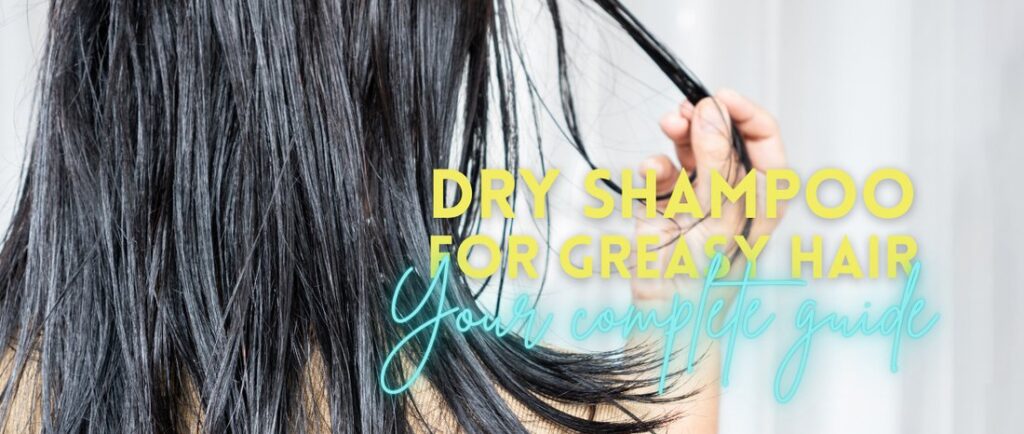
Finding the right shampoo for oily scalp and dry ends your ultimate guide requires balancing two completely different hair textures at the same time: an overactive root zone and dehydrated lengths. A clarifying or balancing shampoo cleans the roots, while a moisturizing conditioner protects brittle ends from further damage. This guide shows you how to pick ingredients, time your washes, and protect your lengths without turning your roots greasy by midday.
Table of Contents
Understanding your oily scalp and dry ends

Combination hair happens when your scalp’s sebaceous glands make plenty of natural oil (sebum), but that oil fails to travel down the hair strand. Tight curl patterns, long hair, and chemical processing stop natural oils from coating the entire hair fiber.
Many people believe an oily scalp means all of their hair is healthy and hydrated. The truth is simple: sebum comes from living glands inside your skin, while the hair shaft itself consists of non-living keratin proteins that easily lose water.
A clear trade-off exists here: harsh clarifying formulas clear excess grease fast, but they strip the protective moisture barrier from your dry tips. To fix this, you must treat the scalp as skin and treat the lengths as fragile fabric.
The basic method
- Wet your hair thoroughly with lukewarm water for at least 60 seconds so the water opens the cuticle and loosens dirt.
- Pour a quarter-sized amount of balancing or clarifying shampoo into your wet palms and lather it up.
- Apply the shampoo directly to the scalp only, using your fingertips to massage the skin for 2 minutes. Don’t pile your dry ends onto top of your head.
- Rinse the shampoo thoroughly with lukewarm water for 60 seconds, letting the soapy runoff gently rinse down your mid-lengths and ends without extra scrubbing.
- Squeeze excess water from your lengths with your hands, then spread a nickel-sized amount of rich conditioner from the ears down to your tips.
- Leave the conditioner on your ends for 3 minutes before rinsing completely with cool water for 45 seconds.
The single judgement call that separates a good result from a bad one is knowing where to draw the boundary line for products. Never let conditioner touch your roots, and never rub concentrated shampoo directly onto your dry ends.
Key numbers and settings at a glance
Your hair routine changes depending on your exact oil level and damage pattern.
| Situation | What to use | How long | What to watch for |
|---|---|---|---|
| High oil at roots, brittle split ends | Salicylic acid shampoo on roots; heavy ceramide mask on ends | Leave shampoo on 2 minutes; leave mask on ends 5 minutes | Dry, snapping ends from shampoo contact |
| Active workout routine, sweaty scalp | Gentle micellar shampoo; light hydrating conditioner | Massage scalp 1 minute; rinse conditioner after 2 minutes | Build-up around the hairline |
| Bleached lengths with rapid oil return | Sulfate-free balancing shampoo; bond-building repair conditioner | Lather roots 90 seconds; leave treatment on ends 5 minutes | Tangled, stiff mid-lengths after rinsing |
| Fine, flat hair with greasy roots | Lightweight volumizing shampoo; rinse-out silicone-free lotion | Lather roots 60 seconds; leave on ends 1 minute | Flat roots from overly heavy formulas |
| Coarse, wavy hair with dry ends | Tea tree balancing wash; rich argan oil conditioner | Massage scalp 2 minutes; leave conditioner on 4 minutes | Frizz and static along mid-shafts |
What separates good results from bad ones
Preparation and mechanical wash routine
People often start by dumping shampoo straight onto the crown of the head. That mistake concentrates the cleaning agents in one small spot, leaving the back of your head greasy while overdrying the crown. Instead, spread the product across both palms first. Part your hair into two sections with your hands and press your lathered fingers directly onto your scalp.
Keep your hair hanging naturally downward in the shower. Piling long hair onto your crown creates intense friction that fractures dry ends.
Targeted application and honest limits
A major mistake people make is skipping conditioner because they fear greasy hair. That mistake costs them split ends, breakage, and rough textures that need expensive salon trims later. Conditioner doesn’t cause greasy roots unless you smear it on the scalp.
Keep all heavy conditioning agents at least three inches away from the scalp. If your hair is short, use a comb to distribute conditioner through the tips only. Keep in mind that exact drying times and styling tolerance vary by hair thickness—check the product label for maximum leave-in durations.
Common problems and quick fixes

When something feels wrong after washing, small adjustments solve it quickly.
| What you notice | What it usually means | What to do first |
|---|---|---|
| Roots get oily by midday | Conditioner touched the scalp or rinse was too short | Rinse roots for an extra 60 seconds with cool water |
| Ends feel like dry straw | Shampoo lather sat on the dry ends for too long | Apply a drop of jojoba oil to damp ends after washing |
| Scalp feels tight and itchy | The shampoo formula is too harsh for your skin | Switch to a mild sulfate-free balancing wash |
| Mid-lengths look dull and rough | Hard water buildup or leftover product residue | Wash once every two weeks with a chelating shampoo |
Skin health guidelines and limits
The scalp is sensitive living tissue that reacts poorly to aggressive chemicals. Over-washing strips natural protective lipids, triggering the skin to release even more oil as a defense mechanism.
The American Academy of Dermatology guidance on shampooing explains that you should concentrate shampoo on the scalp rather than the hair strands, and wash only as often as your scalp becomes oily.
If your scalp shows painful red bumps, thick yellow scales, or persistent bleeding from scratching, don’t attempt to fix it with over-the-counter beauty products. These symptoms point toward conditions like seborrheic dermatitis or scalp psoriasis, which require an evaluation and medicated care from a board-certified dermatologist.
Preserving your balance between washes
Once you wash and dry your hair, keeping the balance requires simple habits. Sleep on a smooth satin or silk pillowcase to stop cotton fibers from absorbing natural oils from your ends. Brush your hair once daily with a natural bristle brush, starting at the ends to remove knots before gently working from the mid-lengths down.
Don’t drag the brush directly from your greasy roots down to your fragile ends, because that can spread too much oil downward while tugging brittle hair. Wash your hair whenever your roots look separated or flat, which usually occurs every two to three days for most combination hair types.
When to use a different approach
This dual-action approach isn’t for everyone.
If your hair is completely dry from root to tip due to chemical processing or severe heat damage, skip balancing cleansers entirely. You need a dedicated moisture-repair shampoo and weekly deep-conditioning masks from roots to tips.
If you have short, cropped hair under two inches, you can’t easily separate root care from end care. In that situation, use a light, daily balancing cleanser and skip heavy rinse-out conditioners completely to prevent your hair from collapsing.
Frequently asked questions
Can dry shampoo fix an oily scalp without drying ends?
Yes. Spray dry shampoo at least six inches away from your roots, let it absorb oil for 2 minutes, and massage it with clean fingers. Keep the spray strictly off your ends to avoid drawing out the remaining moisture from your lengths.
Why do my ends dry out even when my roots are greasy?
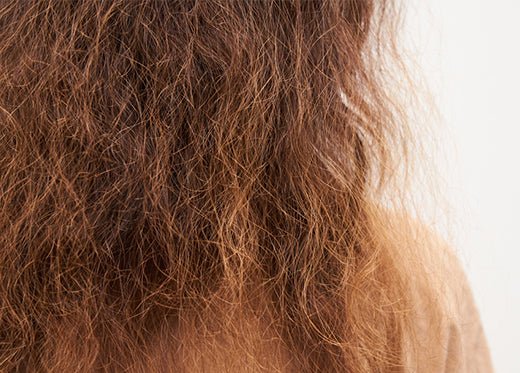
Natural scalp oils can’t travel down the twists and turns of damaged or long hair. Daily mechanical friction from clothing, dry air, and hot styling tools also strip water out of your unprotected hair ends much faster than your scalp can produce natural protection.
How often should I wash combination hair?
Wash every two to three days for balanced results. Washing every single day can dry out your ends and cause scalp irritation, while waiting four or more days allows grease, dead skin cells, and product residue to build up around hair follicles.
Is it safe to use hair oils on dry ends?
Yes, as long as you keep oil away from your roots. Put two drops of pure argan or jojoba oil into your palms, rub your hands together, and press the oil directly into the bottom two inches of damp hair to seal in moisture after washing.
What happens if I use clarifying shampoo every day?
Your scalp will become dehydrated, which often triggers rebound oil production that makes your roots even greasier. Daily use also strips protein structures from your dry ends, causing rough cuticles, severe tangles, and split ends that snap easily during brushing.
Final Thoughts
Finding the perfect balance doesn’t have to be a struggle once you’ve learned your hair’s unique rhythm. If you’re still feeling unsure, try testing a new product on just one section of your hair this weekend. You’ll soon see how simple it’s to keep your roots fresh and your ends healthy.
Related guides
- Shampoo for Gray Hair Purple: How to Neutralize Brassiness
- Choosing Quick Dry Towels That Actually Work: A Guide






