
Medicated shampoo for psoriasis and seborrheic dermatitis works by slowing skin cell buildup and reducing yeast on the scalp. You need five to ten minutes of scalp contact two to three times weekly to clear active flakes. This routine suits people managing overlapping red patches, stubborn scale, and persistent scalp itch.
Table of Contents
Choosing the right psoriasis and dermatitis shampoo
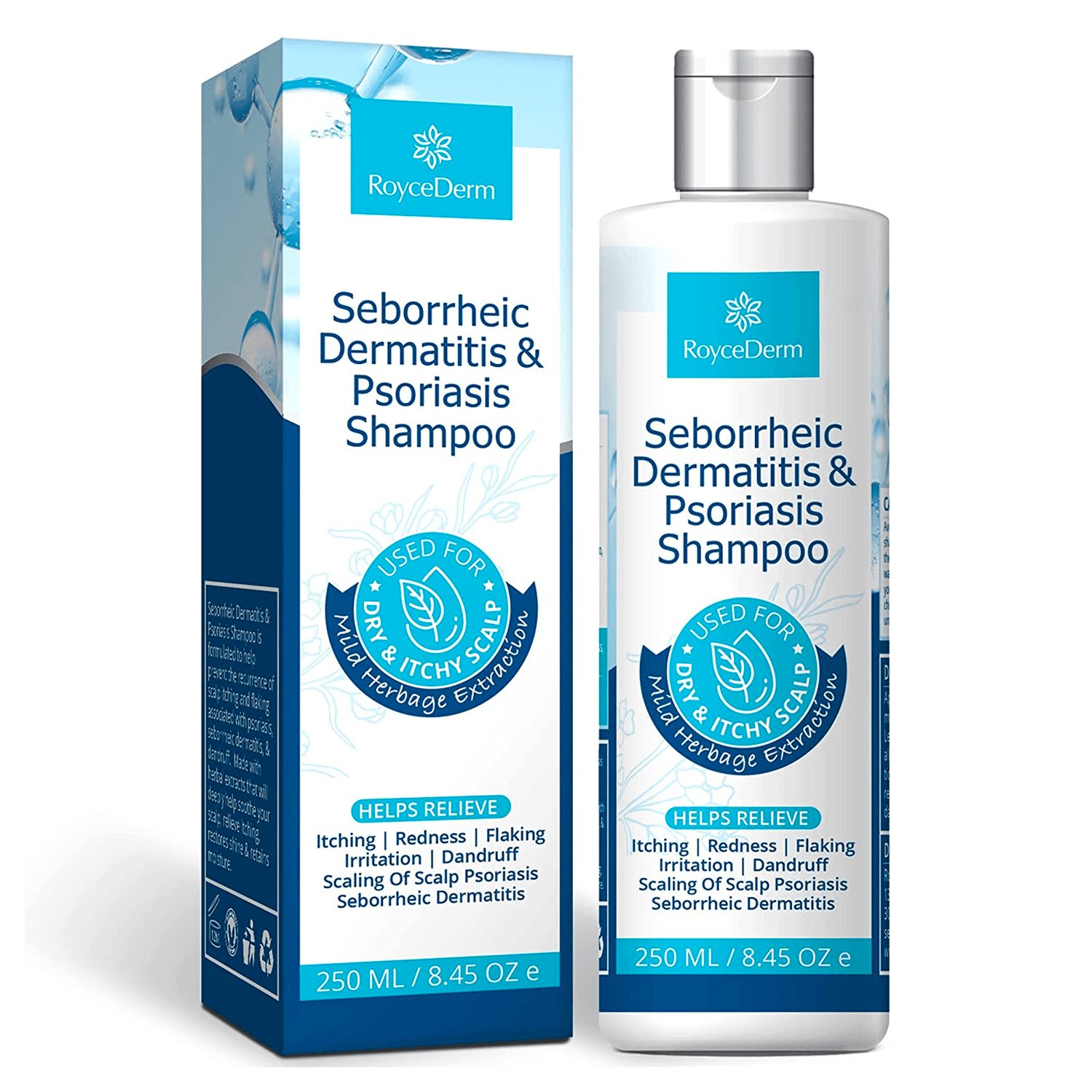
- Medicated bottle with active coal tar, pyrithione zinc, or ketoconazole (avoid standard beauty formulas).
- Regular moisturizing wash without added fragrance.
- Wide-tooth plastic comb to detangle hair before washing (avoid fine-tooth metal combs that scratch skin).
- Scalp massager brush with soft silicone bristles (stiff plastic bristles break the skin barrier).
- Timer or waterproof bathroom clock to track contact duration.
- Plain hair conditioner for hair lengths to protect dry ends.
Using baby shampoo for your initial lather works well, but using clarifying formulas will strip oils and worsen raw patches. If your crusting cracks or bleeds, prescription topical steroids need a licensed doctor’s oversight.
Step-by-step
- Detangle dry hair gently with a wide-tooth comb to loosen surface buildup without scraping raw spots.
- Wet your hair fully with lukewarm water, keeping the temperature mild so you don’t trigger burning sensations.
- Pour roughly one quarter-sized coin amount of medicated liquid directly into your palms. Double this amount if your hair reaches past your shoulders.
- Rub the liquid directly onto your scalp skin rather than down the strands, parting hair sections as you go.
- Massage using soft finger pads or a silicone brush for two full minutes to spread the lather.
- Set a timer for five minutes so the medication sits on the skin; leave it on for ten minutes if scale is thick.
- Rinse hair thoroughly with clean, lukewarm water until water runs clear from your roots.
- Apply moisturizing conditioner only to the bottom two-thirds of hair strands, completely bypassing the scalp skin.
Careful: Scratching with sharp fingernails tears inflamed skin and invites bacterial infection.
Tip: If the medicinal smell stays strong, wash hair ends afterward with a gentle scented rinse, keeping it off your roots.
If thick plaques refuse to budge after four weeks, stop self-treating and see a board-certified dermatologist for prescription care.
Scalp care variations by flare intensity
Scale thickness and irritation change how often you need to treat your scalp.
| Scalp condition | Weekly time commitment | Routine adjustment | Warning sign to monitor |
|---|---|---|---|
| Heavy scale | 30 minutes total | Three washes weekly; ten-minute scalp dwell time | Hair shedding or burning |
| Moderate flaking | 15 minutes total | Two washes weekly; five-minute scalp dwell time | Increased surface dryness |
| Mild itching | 10 minutes total | One wash weekly; alternating regular cleanser | Flakes returning quickly |
| Clear maintenance | 5 minutes total | One wash every two weeks as prevention | Sudden new redness |
Starting with shorter wash contact times protects your barrier, while leaving strong formulas on too long causes severe contact irritation.
How to tell you did it right

A good result shows flat skin, less daily shedding on your shirts, and fading pinkness without raw edges. A poor result leaves tight, shiny skin, burning patches, or split, brittle hair ends. Flaking sometimes gets worse during the first week because dead skin loosens quickly from the surface. Skipping conditioner on your ends causes serious dryness because medicated cleansers strip moisture from hair shafts. If itching worsens or the scalp oozes liquid, stop using the bottle immediately. Applying a lightweight mineral oil overnight softens stubborn crusts safely before your wash, which prevents forced peeling.
Treatment standards and routine hygiene
The FDA OTC drug monograph for dandruff and psoriasis regulates over-the-counter strengths for ingredients like coal tar (0.5% to 5%) and pyrithione zinc (1% to 2%). Rinse your silicone tools after every use, dry your wash bottle, and store containers away from direct heat. When plaques spread past your hairline or form thick yellow crusts behind your ears, schedule an appointment with a medical doctor.
Alternative scalp management options
Daily salicylic acid scalp drops
Liquid acid drops thin out thick plaques without requiring a full shower wash every single day. This route saves drying time for long hair, but it can dry out your scalp skin if used too often.
In-office ultraviolet light therapy
Dermatology clinics use targeted light boxes to reduce rapid skin cell division across stubborn spots. It eliminates harsh chemical smells entirely, but it requires multiple clinic visits each week and costs substantially more money.
Prescription steroid scalp solutions
Doctors prescribe targeted anti-inflammatory drops to quickly stop intense swelling, burning, and severe redness. They work faster than retail options within days, but overusing them permanently thins delicate scalp tissue.
Frequently asked questions
Can regular dandruff shampoo clear scalp psoriasis?
No, typical cosmetic formulas lack the clinical strength required to thin thick psoriasis plaques. Standard washes only target light surface flakes from normal shedding. You need regulated coal tar or salicylic acid to break down stubborn psoriasis scale.
Why does medicated wash make hair feel stiff?
Active ingredients strip the natural protective oils from individual hair strands. This leaves the outer hair cuticle rough and dry. Keeping the wash on your scalp and applying standard conditioner to your ends prevents this brittle texture.
How long does it take to see clear skin?
Expect visible improvement within two to four weeks of steady use. Skin cells take weeks to turn over and shed naturally. If your scalp shows zero clearing after thirty days, consult a medical doctor for prescription alternatives.
Is coal tar safe for blonde hair?
No, dark tar liquids will stain light gray, white, or bleached blonde hair strands. The chemical compounds leave yellowish tints behind on light hair. People with fair hair should pick zinc pyrithione or ketoconazole cleansers instead.
What happens if you leave it on too long?
Leaving active formulas on your scalp past fifteen minutes risks chemical burns and stinging. Irritated skin often responds by shedding more flakes than before. Always rinse completely once your timer hits the recommended duration.
Final Thoughts
Consistency is the key to keeping your scalp comfortable and clear over the long term. If you don’t see significant improvement after a month, it’s a good idea to chat with a dermatologist. They’ll help you find a personalized plan that’s safer and more effective for your specific skin needs.
Related guides