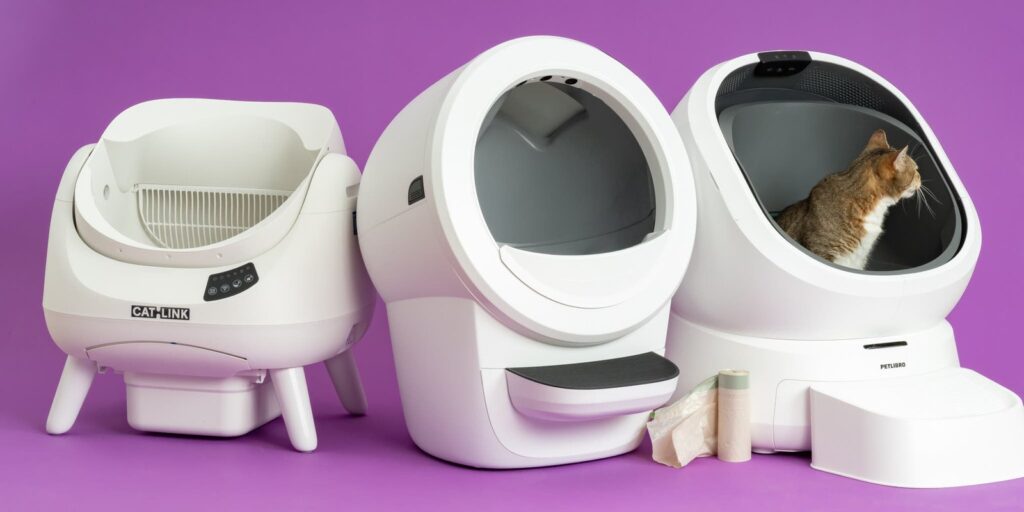
A single automatic unit can serve up to three felines, though the waste bin will require frequent emptying. Most households with two or three felines need a waste drawer holding at least nine liters and an open entrance. Below, we look at daily waste limits, sensor reliability, motor strain, and cleaning routines.
Table of Contents
How self cleaning boxes manage multiple cats
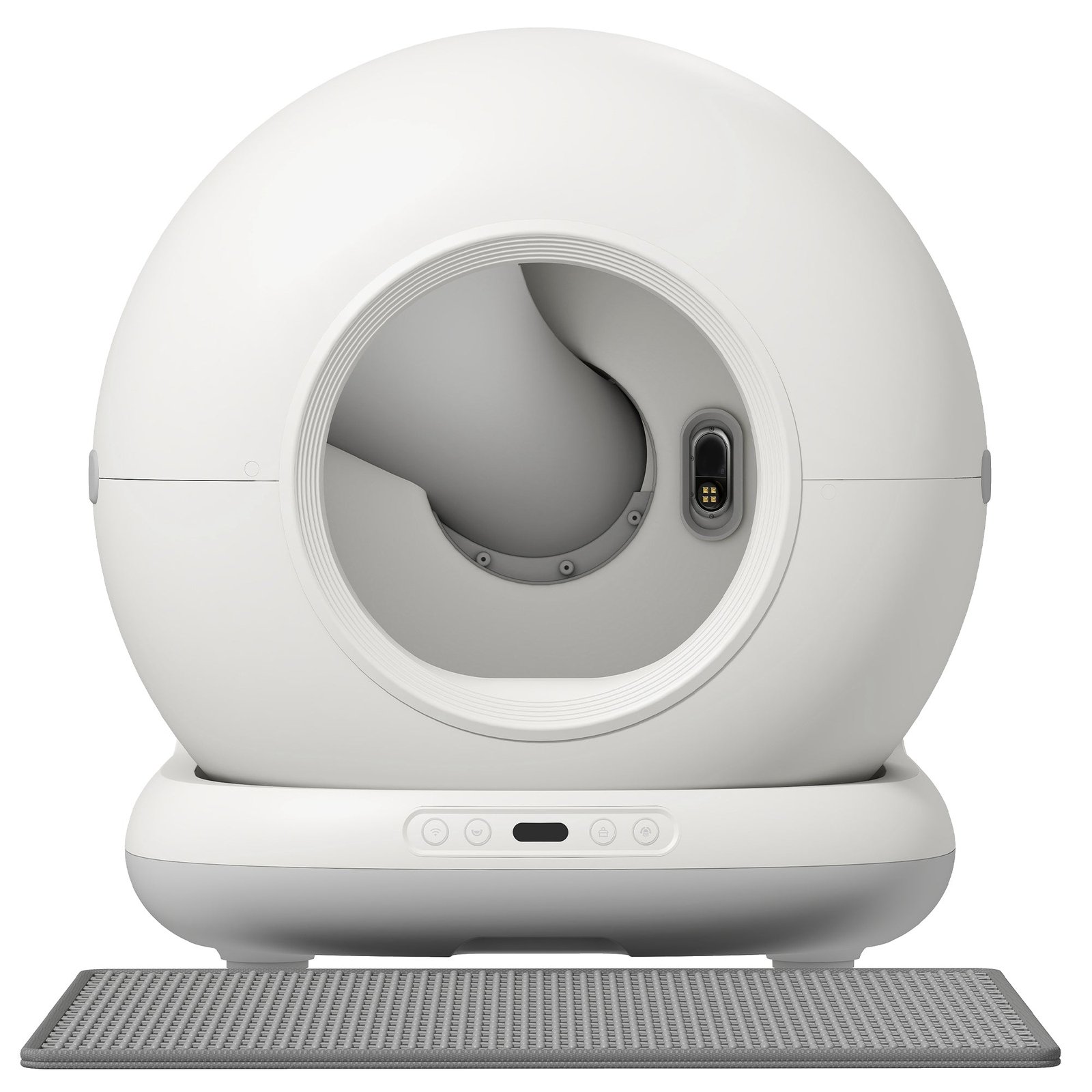
An automated multi-cat box sifts or rakes solid waste into a sealed lower compartment after a pet exits. Built-in weight sensors and infrared beams detect when an animal steps inside, which delays the cleaning cycle by three to fifteen minutes so the clump can harden properly.
These units are built for homes with two or more healthy felines whose owners want to cut down on daily scooping chores. A frequent misconception is that one automatic machine completely replaces the standard rule of keeping multiple boxes around the home. It doesn’t.
The machine’s physical motor cycle separates waste from clean litter using a rotating drum screen or a horizontal metal comb. If the motor encounters resistance from heavy clumps, modern units reverse rotation to prevent mechanical blockages.
The basic method
- Place the machine on a firm, level floor, leaving at least four inches of wall clearance on all sides so internal sensors don’t give false readings.
- Pour clumping clay litter into the drum, staying strictly below the maximum fill line stamped on the inner liner.
- Set the cycle delay timer to seven minutes, which gives urine clumps enough time to set without sticking to the rubber base.
- Keep the unit powered off for the first forty-eight hours while your felines investigate the new plastic housing at their own pace.
- Add one cup of clean litter from their old box into the drum to transfer a familiar scent onto the fresh bed.
- Plug the machine into a wall outlet and run one manual cycle while your felines are in another room so the motor sound doesn’t startle them.
- Empty the waste drawer regularly for multiple felines, replacing the liner bag each time.
The single judgment call that separates good results from bad ones is monitoring clump firmness before reducing cycle delays. If you shorten the delay too much, soft clumps smear across the globe; if you set it too long, another feline might use the dirty box before it cycles.
Key numbers and settings at a glance
Settings and maintenance intervals change based on how many pets use the automated unit.
| Situation | What to use | How long | What to watch for |
|---|---|---|---|
| Two small felines (under 10 lbs) | Standard clay litter, 8-lb fill | 7-minute cycle delay | Waste bin filling by day 4 |
| Three adult felines (10–14 lbs) | Heavy-clumping clay, 10-lb fill | 10-minute cycle delay | Drawer overflow by day 2 |
| Two large-breed felines | Low-dust clay, max line fill | 15-minute cycle delay | Liner tears from larger claws |
| Multi-cat with one diabetic pet | High-absorbency clay | 15-minute cycle delay | Large urine clumps sticking to base |
What separates good results from bad ones
Setup and litter choice
Getting good performance starts with choosing the right clay litter. Lightweight formulas seem convenient, but they often lack the density needed to trip weight-plate sensors, and their dusty clumps crumble during a rake cycle. Standard sodium bentonite clay forms firm balls, which helps keep the plastic liner clean. Spread the litter completely flat during setup. Overfilling past the molded limit line puts extra strain on the drive motor.
Sensor management and space
Placement dictates whether the machine runs smoothly or stops halfway through a cycle. Units sitting on thick carpet or uneven tiles may interfere with the proper operation of safety sensors. Leave the interior sensors alone during daily use; wiping them with harsh chemicals clouds their optical lenses. Instead, wipe sensor guards with a dry microfiber cloth once a week to clear away clay dust.
Common problems and quick fixes
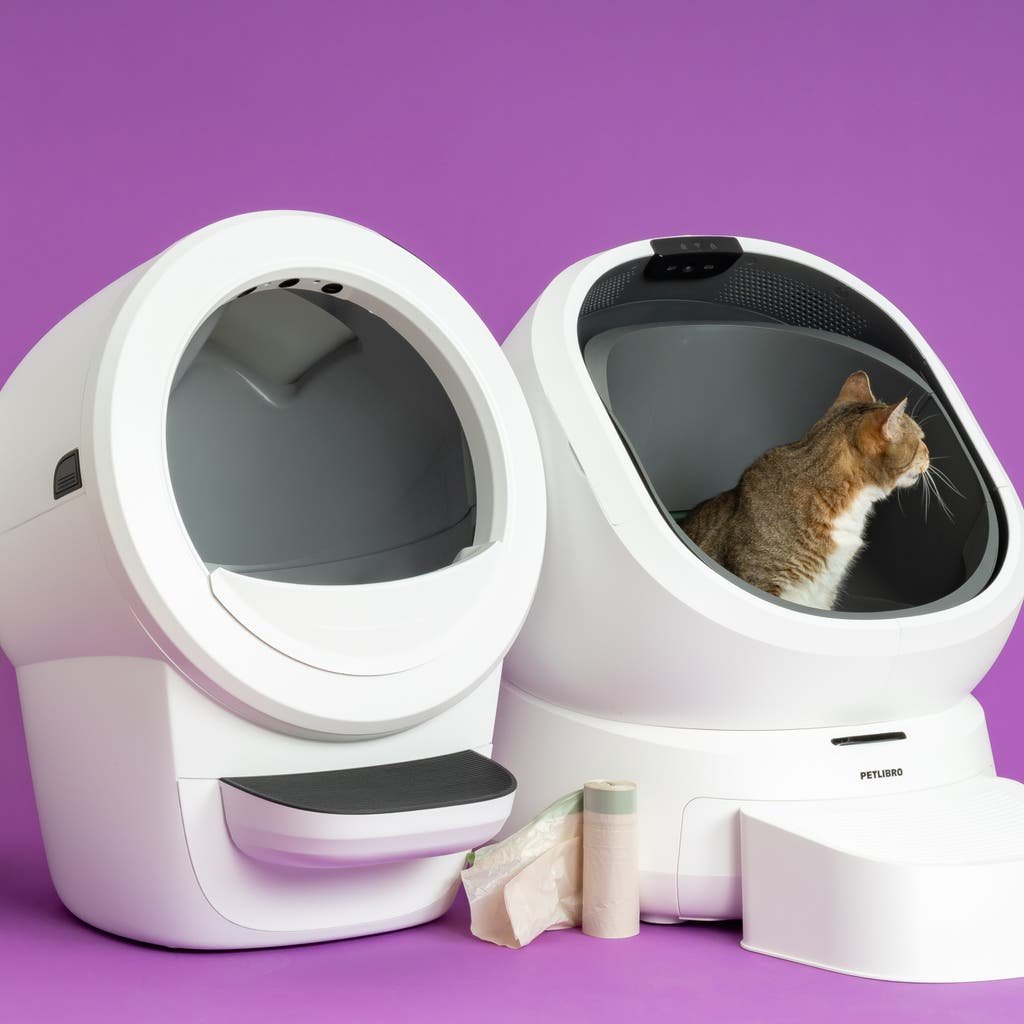
Mechanical issues usually stem from weight imbalances, litter volume errors, or interrupted cycles.
| What you notice | What it usually means | What to do first |
|---|---|---|
| Yellow warning light flashes slowly | Weight sensor failed to zero after cycling | Clear stray litter from beneath the base feet |
| Waste drawer smells after two days | Carbon filter is saturated or drawer seal is loose | Replace the carbon pad and check edge gaskets |
| Wet waste smears inside the drum | Cycle delay timer ran before clump dried | Increase delay setting from 7 to 15 minutes |
| Machine stops mid-cycle with red light | Safety pinch sensor or anti-pinch bar triggered | Clear litter chunks trapped inside the waste chute |
Safe operation limits and rules
Automatic pet appliances must follow strict mechanical standards to keep animals safe. The Humane Society of the United States recommends maintaining one litter box per feline plus one extra, even when using an automatic unit. This setup prevents social guarding issues where one animal blocks another from entering.
Weight thresholds are equally critical. Most automated units require an animal to weigh at least five pounds to trigger the safety shut-off sensors. Never run these units on automatic mode for young kittens; switch the power off and cycle the drum manually instead. If your cat develops urinary blockages or severe diarrhea, stop using the automatic box and consult a licensed veterinarian immediately.
Keeping the drum running smoothly
Deep clean the unit regularly for multiple felines. Power down the base, take off the main drum, and wash the plastic basin outdoors using mild dish soap and warm water. Never spray water into the motorized base where circuit boards and gear assemblies sit.
Let the globe dry completely before putting it back together, as lingering moisture turns fresh clay into sticky paste on contact. Replace the carbon odor filter whenever you notice it to stop smells from escaping the base. Rubber liners eventually show scratches from claws; replace the flexible insert when litter begins sticking stubbornly to worn spots.
When to use a different approach
An automatic box is the wrong tool if one of your pets weighs under five pounds, because light animals can’t trip the safety shut-off sensors. It’s also not suitable for felines who are easily frightened by motor noises or enclosed spaces, as forcing them inside leads to house soiling. In these cases, large high-sided plastic pans work best.
Very large breeds, such as twenty-pound Maine Coons, struggle with the narrow entry ports found on most rotating drums. For oversized felines, use a giant open-top stainless steel pan instead. The trade-off of an automatic box is saving daily scooping time while accepting more complicated monthly deep cleans.
Frequently asked questions
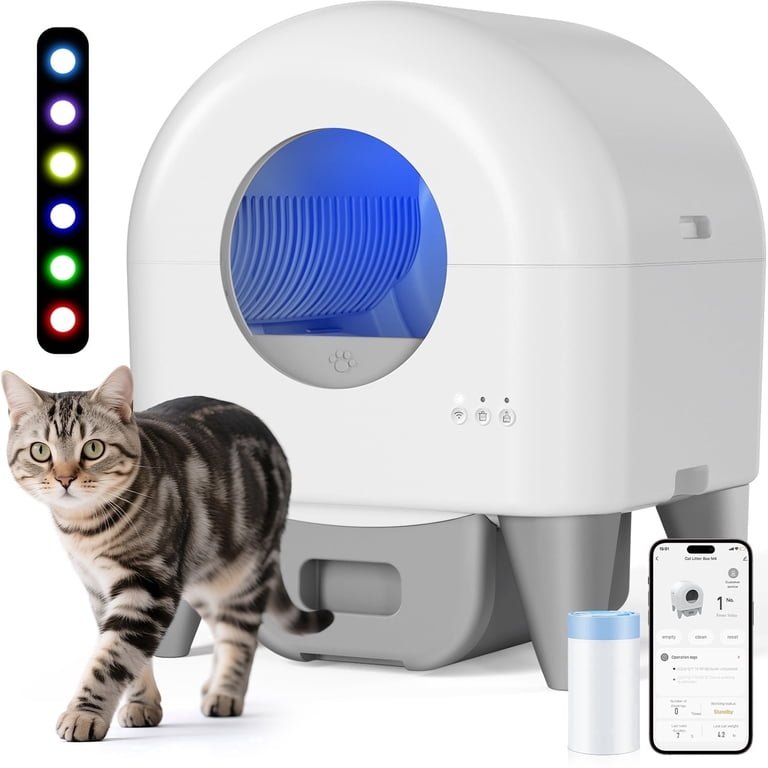
Can three cats share one self-cleaning box?
Yes, up to three felines can share a single unit if you empty the waste drawer as part of your usual clean. However, behavioral friction can still happen. If one pet guards the opening, you’ll need to set up a regular litter tray in another room.
How often do you empty the waste drawer?
Every two to three days for multiple felines. While single-cat homes might wait a week, two or three pets fill a standard drawer quickly. Waiting too long causes clumps to pile up and jam the revolving drum opening.
What happens if a cat enters during a cycle?
The unit stops moving immediately. Weight sensors in the base and infrared curtains at the entrance detect the pet’s movement, halting the motor. The cycle resumes only after your pet exits and stays clear for several seconds.
Is special litter required for these machines?
No, standard clumping clay litter works fine in most models. This varies by model — check the label before buying your litter. Avoid using wood pellets, paper shreds, or long-crystal formulas, since they won’t pass through the sifting screens properly.
Why does my automatic litter box smell so bad?
Smells happen when waste bags overfill or carbon filters wear out. A common mistake is buying cheap, ultra-thin garbage bags that leak odors through the plastic, which costs you extra money in ruined replacement filters later. Use thick odor-barrier liners instead.
Final Thoughts
Choosing the right model shouldn’t feel like a chore, so take a moment to measure your available floor space before you buy. Once you’ve picked a unit that fits your home, you’ll find that keeping things fresh is much easier. You’re going to love how much time you save every week.
Related guides
- Natural Air Fresheners That Keep Bathrooms Smelling Clean
- Finally Fresh Washing Machine Tablets Unleash the Power of Clean