
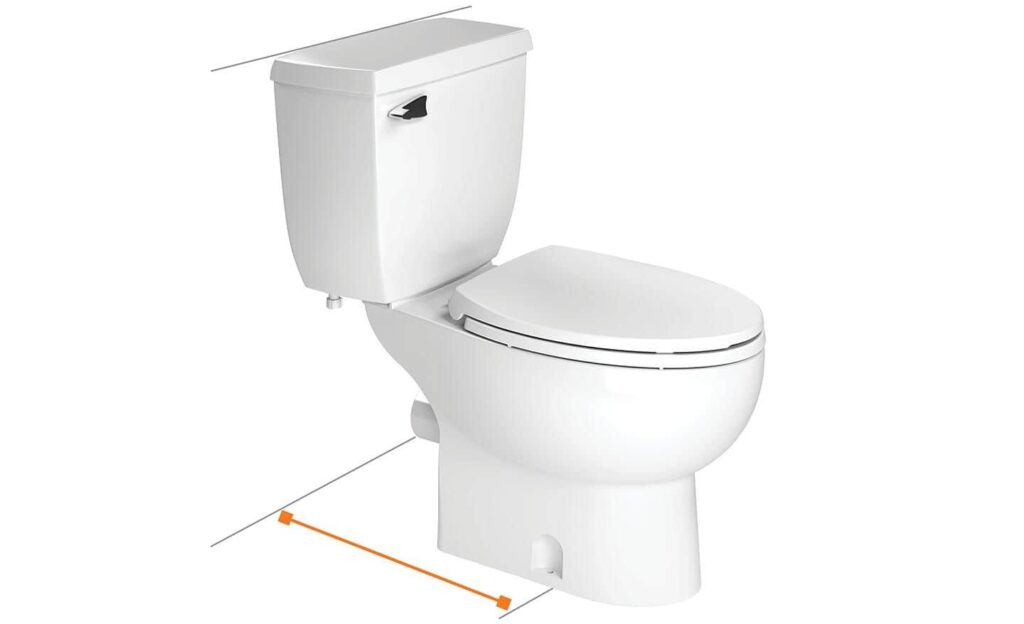
When buying toilet bowl replacements, the primary factors to consider are the rough-in size, bowl shape, and rim height. A standard installation requires exactly 12 inches from the finished wall to the center of the floor drain bolts. If your measurement shows 10 or 14 inches, standard models won’t line up with the existing plumbing.
Table of Contents
Quick things to look for when buying
- Measure from the finished wall to the floor bolt caps; 12 inches is standard, but older homes often measure 10 or 14 inches.
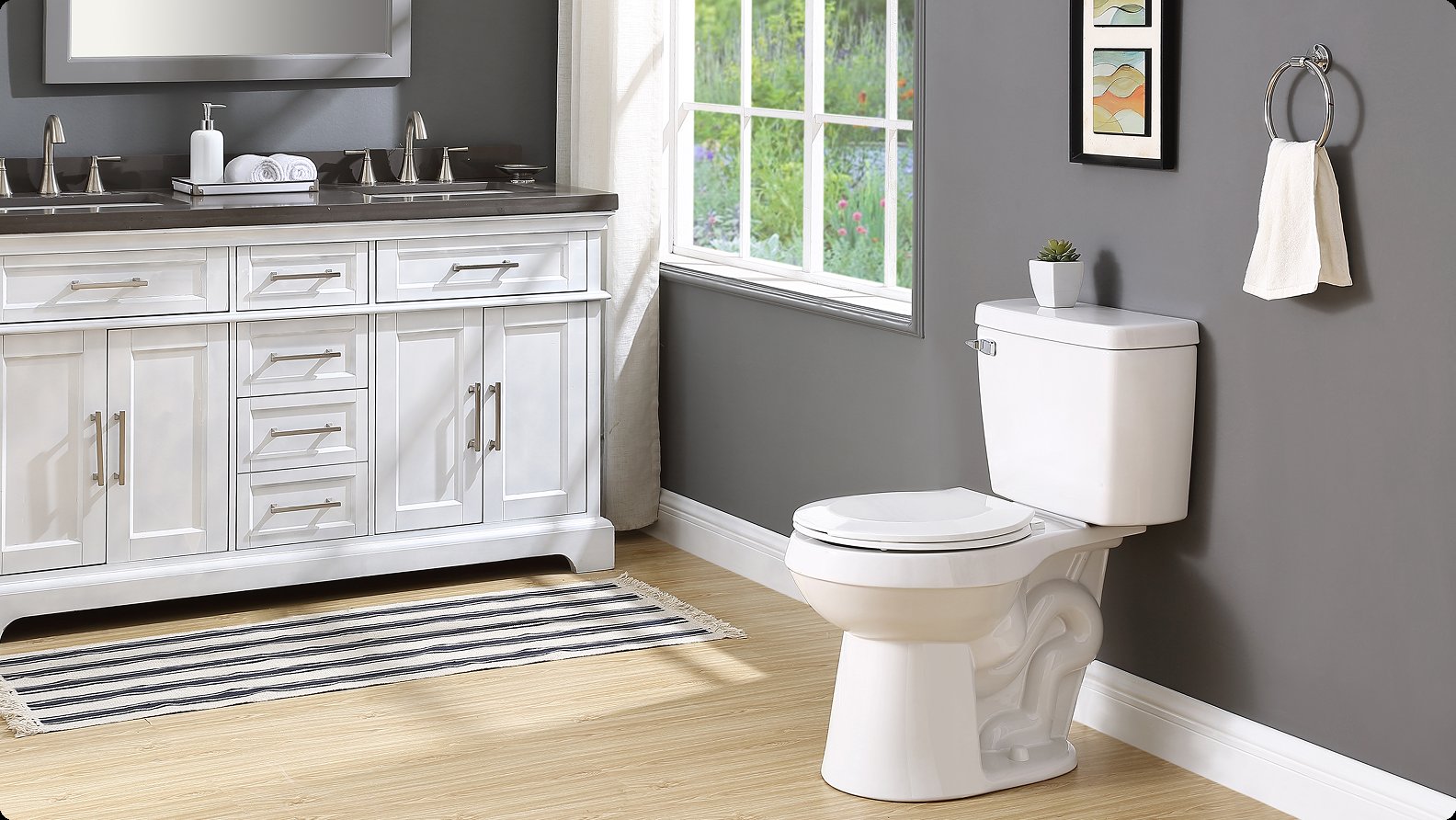
- Choose an elongated bowl measuring about 21 inches deep for comfort, or a round bowl at roughly 19 inches to save door clearance.
- Select a chair height bowl sitting 17 to 19 inches from floor to seat rim if you need easier sitting, or standard 15 inches for kids.
- Check the water surface area inside the bowl; wider water spots reduce stubborn streaks and cut down on weekly scrubbing.
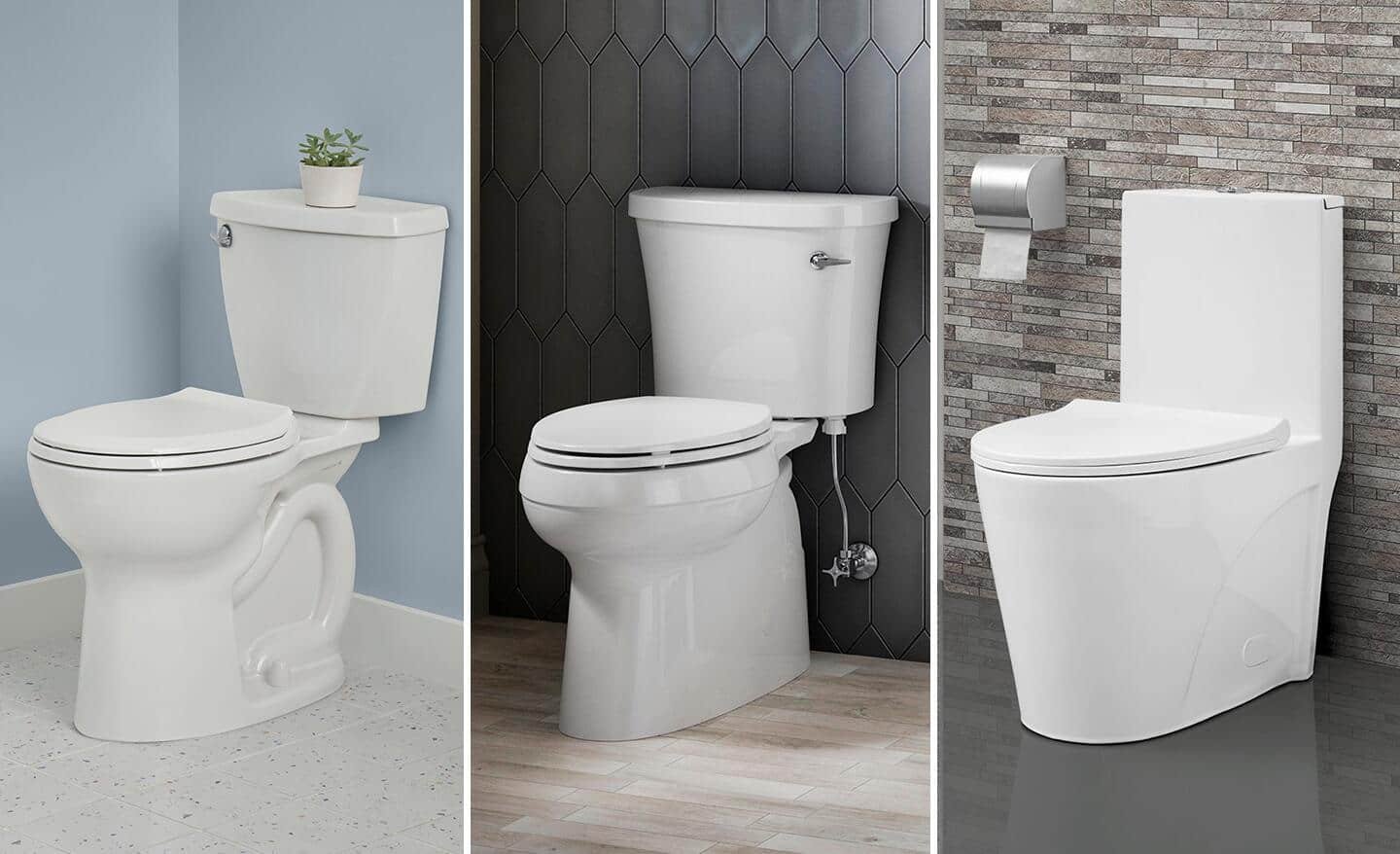
- Pick a fully skirted trapway design to eliminate hidden dust crevices, though you’ll face a tighter hand squeeze during bolt tightening.
- Buy a dual-flush or certified low-volume unit using 1.28 gallons per flush or less to lower utility bills without losing siphon power.
Why trapway design and rough-in measurements control bowl performance
The trapway’s width and internal finish control whether waste clears instantly or backs up into your bathroom. Standard residential bowls feature a 2-inch or 2 1/8-inch trapway channel. When waste passes through an unglazed or narrow trapway, friction slows the water column and weakens the natural siphoning draw. Fully glazed passageways ensure waste travels smoothly under standard gravity water pressure without snagging on porous ceramic walls.
Water consumption regulations directly affect this flushing dynamic. Under US federal standards, residential fixtures can’t exceed 1.6 gallons per flush. To verify high-efficiency performance that clears solid waste using only 1.28 gallons, look for the EPA WaterSense specifications on the product packaging. These engineered bowls use steep interior funnel slopes and jet siphons to pull water through quickly, meaning lower water volume no longer causes clogs.
Bowl shape also affects physical leverage and air displacement during flushing. An elongated bowl holds a larger water seal surface, which seals off sewer gases and catches waste directly. If you pick a budget model with a poorly placed siphon jet, water swirls weakly instead of pushing forward. The exact position of that bottom jet determines if the bowl cleans its walls on the first flush.
When the answer is different
Base plumbing conditions change which toilet model fits your bathroom layout.
| Situation | What changes | What to do instead |
|---|---|---|
| Supply line sits too close | Tank body hits shutoff valve | Move valve 8 inches left of center |
| Baseboard trim is very thick | Tank can’t reach the wall | Measure rough-in from drywall base |
| Outswing door hits the rim | Clearance drops below 21 inches | Install a compact round-front bowl |
| Floor drain sits 10 inches out | Standard 12-inch bowl won’t mount | Purchase a dedicated 10-inch rough unit |
| Concrete slab foundation | Moving the waste pipe costs thousands | Buy an offset closet flange adapter |
| User is under 5 feet tall | Feet dangle on tall bowls | Buy a standard 14-inch rim bowl |
How to do it properly
- Run a tape measure from the finished drywall behind the toilet directly to the center of the floor bolt caps; ignore tall baseboard molding.
- Confirm your clearance space by measuring at least 15 inches from the bowl’s centerline to any side wall, vanity cabinet, or shower panel.
- Check the front clearance to ensure at least 21 inches of open walking space exists between the bowl tip and the closed bathroom door.
- Select your bowl contour: pick round bowls for rooms under 50 square feet; pick elongated bowls for general adult use.
- Check the rim height with a tape measure; standard rims sit 15 inches high, while comfort-height rims sit 17 to 19 inches with a seat.
- Look under the bowl exterior: pick skirted flat sides for quick wiping, or exposed trapways if you need simple bolt access during installation.
- Verify the flush rating on the manufacturer label; ensure the bowl scores at least 800 grams on Maximum Performance (MaP) bulk removal testing.
The mistakes that ruin it
- Measuring the rough-in from the baseboard trim instead of the drywall, which leaves the new tank hitting the wall before bolts align.
- Buying a comfort height bowl for a toddler bathroom, leaving small children unable to reach the floor without falling forward.
- Choosing an elongated bowl without checking door swing clearance, resulting in entry doors slamming into the porcelain rim.
- Skipping the glazed trapway check on cheap clearance models, which leads to chronic waste clogs and frequent plunger use.
Frequently asked questions
Can you put an elongated toilet where a round one was?
Yes, if you have at least two inches of open space in front of the old rim. Elongated bowls extend roughly 21 inches from the tank, compared to 19 inches for round models. Check that bathroom doors and vanity drawers still clear the front edge freely before purchasing.
Does bowl height include the toilet seat?
No, published bowl heights measure strictly from the finished floor to the top of the bare porcelain rim. Standard toilet seats add another half-inch to one full inch of total height. Always add that extra inch when planning accessibility requirements for elderly family members or mobility equipment.
Why do some toilet bowls sweat in summer?
Cold well water filling the porcelain tank and bowl chills the ceramic material below the room’s dew point. When warm, humid bathroom air contacts that cold surface, moisture condenses and drips onto your floorboards. Buying an insulated tank model stops this condensation before it rots subflooring.
What happens if you buy the wrong rough-in size?
The toilet base won’t bolt to the floor flange without expensive structural plumbing work. A 12-inch bowl placed on a 10-inch pipe leaves the bolts two inches behind the holes. A 12-inch bowl on a 14-inch pipe leaves an unsightly two-inch gap behind the tank.
Is a skirted toilet bowl harder to install?
Yes, because the smooth ceramic apron completely hides the floor mounting bolts from side view. You must reach behind the narrow rear opening blindly or attach hidden mounting brackets to the floor first. You’ll need patience and a second set of hands to align the wax ring correctly.
Who is a wall-hung toilet bowl not for?
Wall-hung bowls aren’t for budget renovations or bathrooms with standard finished drywall that can’t be opened. They require a heavy steel carrier frame bolted directly inside a 2×6 wall stud cavity. If you aren’t prepared to tear open walls and relocate waste pipes, stick to floor models.
Does a larger flush valve clear the bowl faster?
Yes, a 3-inch or 4-inch flush valve dumps water into the bowl significantly faster than traditional 2-inch valves. This sudden rush of volume builds a stronger siphon jet action instantly. The rapid hydraulic push evacuates solid waste cleanly without using extra water per cycle.
Final Thoughts
Choosing the right fixture shouldn’t feel like a chore, but it’s worth taking your time to get it right. Before you head to the store, grab your tape measure and double-check those dimensions. You’ll be much happier once everything’s installed and working perfectly in your home for years to come.






