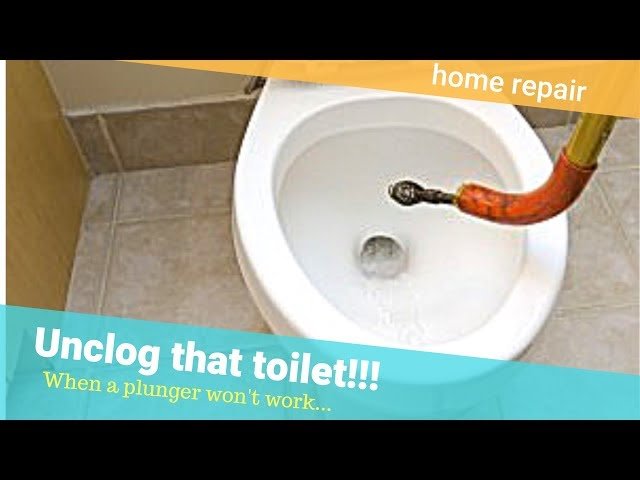
When a toilet plunger fails, the primary response is to use a manual toilet snake or hot water with dish soap.
Table of Contents
Why your toilet plunger wont work
| Cause | How common | How to confirm it | Fix it yourself? |
|---|---|---|---|
| Poor rubber seal | Most of the time | Water splashes upward while pumping | Yes |
| Wrong plunger type | Very common | Plunger has a flat bottom cup | Yes |
| Dense paper trap plug | Fairly common | Water level stays high after pumping | Yes |
| Foreign hard object | Small number of cases | Plunger bounces off a solid object | Yes with care |
| Vent pipe obstruction | Small number of cases | Other drains gurgle during a flush | No |
| Main sewer line clog | Small number of cases | Sewage backs up into bathtub | No |
Plunger cup failing to seal
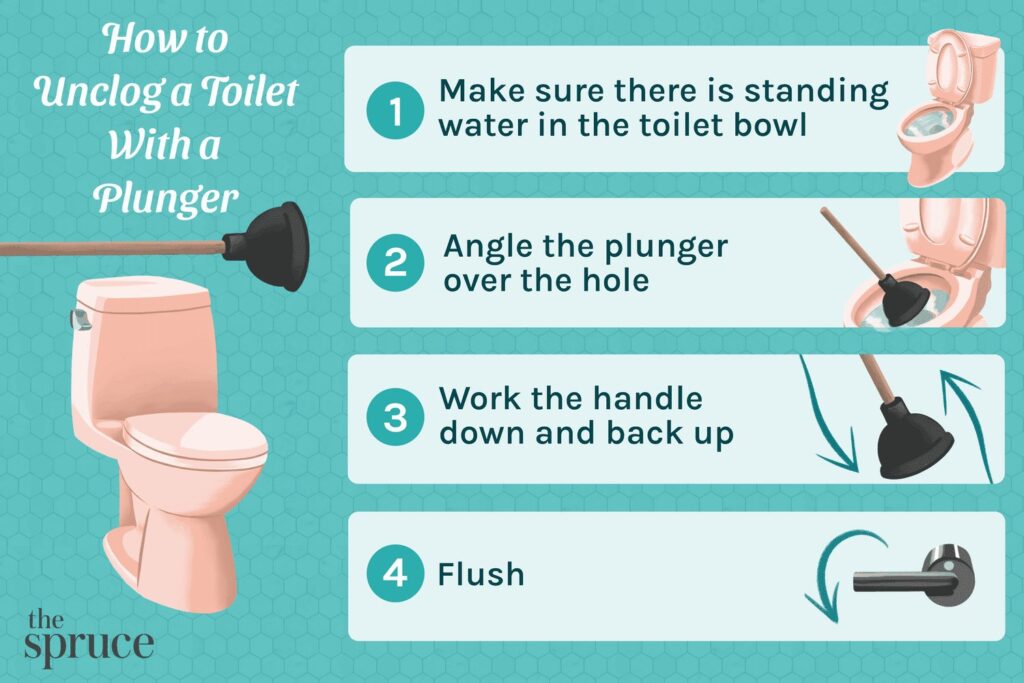
A toilet plunger pushes water, not air, through the porcelain throat to dislodge waste. When the tool slips, force bleeds into the bowl instead of driving through the pipe. Check your technique first: submerge the cup completely and angle it into the opening so water fills the dome. If water is shallow, pour half a gallon of warm tap water into the bowl to cover the head.
People often grab flat-bottom plungers made for flat sink basins. A toilet needs an accordion style or a flange plunger with an extended neck that fits snugly into curved porcelain. If your rubber is stiff, soak it in hot tap water for 3 minutes to soften it. The cost of a proper flange plunger remains just a tiny fraction of a professional drain service.
Dense clog lodged past the trap
A deep paper blockage sits beyond the porcelain curve where pressure waves can’t push it loose. You can tell this cause apart from a loose seal because the plunger fits tightly and moves water, but the bowl stays filled to the rim. Heavy toilet paper or wipes compact tightly inside the 3-inch pipe under pressure.
This method isn’t for toilets with weak, cracked porcelain bowls. Pour 4 fluid ounces of liquid dish soap directly into the standing water, then let it sit for 15 minutes to coat the waste. Pour 1 gallon of hot tap water from waist height into the center hole. Never use boiling water, as thermal shock can crack the cold porcelain bowl instantly. If the clog is organic paper waste, this clears it safely in under 30 minutes. If the clog is a plastic bottle or child’s toy, the soap trade-off is zero progress and a messier snake job later.
Hard foreign object wedged in porcelain
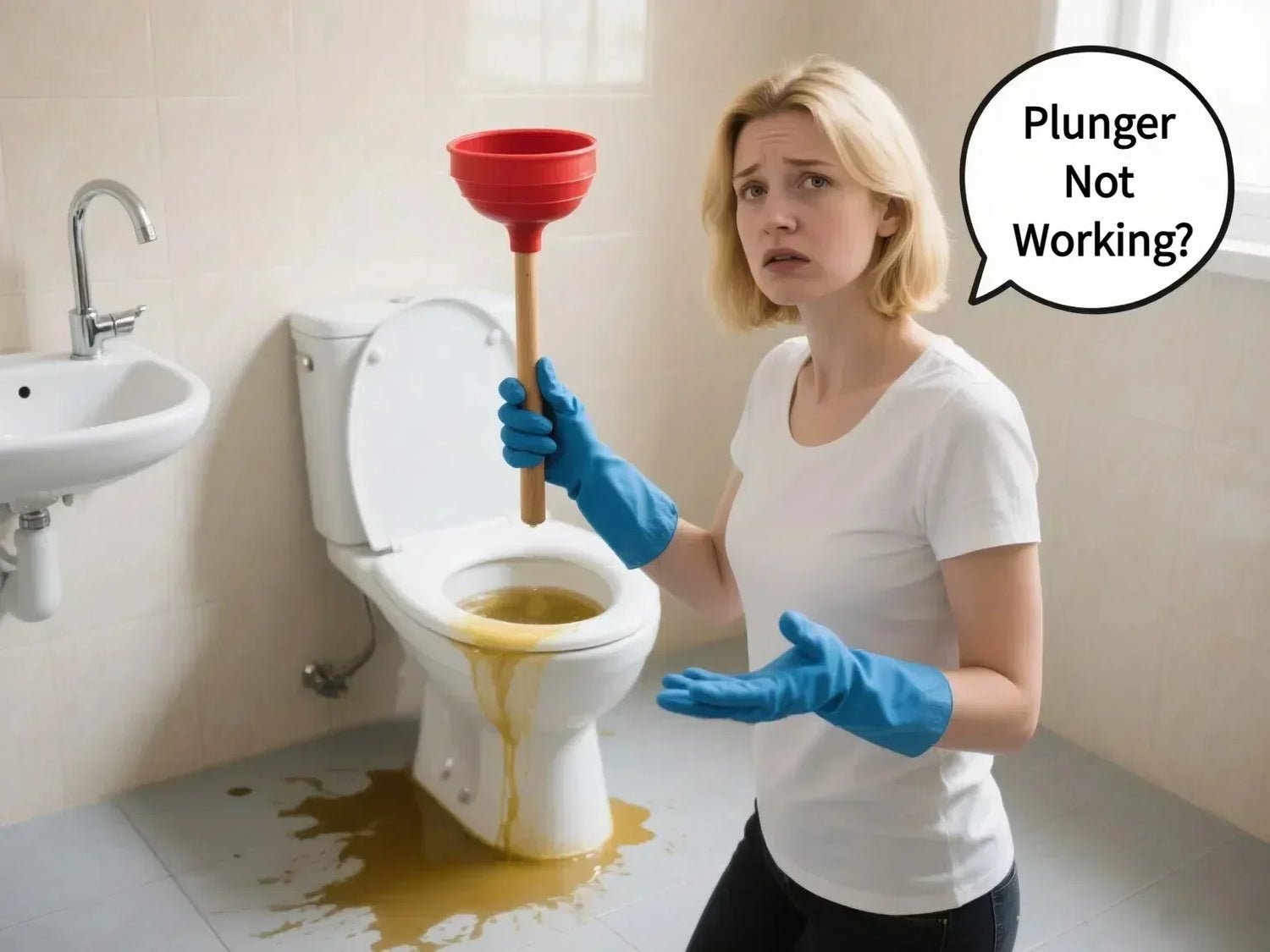
Accidental items like toothbrushes, flushable wipes, or plastic toys lock between the bends of the internal trap. A plunger only pushes these wider objects harder into the narrowing bend.
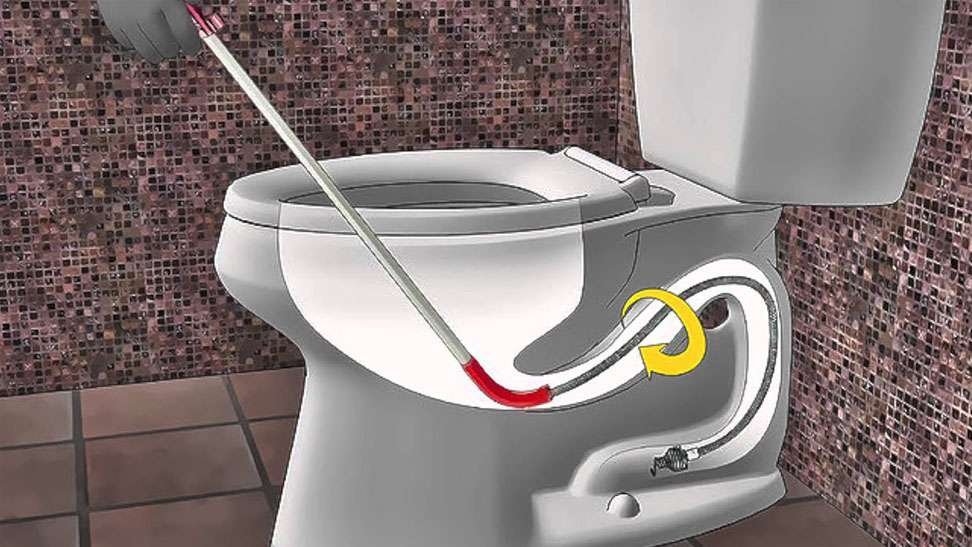
Use a dedicated toilet auger with a rubber sleeve to protect the bowl surface. Feed the 3-foot flexible metal cable directly into the drain while turning the handle clockwise with steady forward pressure. Once the hook bites into the object, pull the cable straight out rather than driving it further downward.
The less likely causes
- A blocked roof vent creates negative air pressure that stops drain flow, which you can spot when nearby sink drains bubble during a flush.
- A collapsed outdoor lateral pipe stops all home drainage, signaled by wastewater creeping up through the lowest floor drains.
- Tree roots invading the main sewer line trap solids underground, causing repeated clogs across multiple fixtures at the same time.
- Mineral buildup inside the siphon jet cuts flushing velocity, visible as weak swirl action even after the bowl is completely drained.
- Clearing roof vents or underground sewer mains requires powered mechanical line cutters and fall protection, so contact a licensed plumber for these jobs.
What a fix usually involves
Solving an unyielding toilet clog usually demands moving from manual pressure to mechanical extraction. When a clog sits deep in the trapway,
If X shows water standing in your bathtub when you flush, do A: shut off the main water valve immediately. If Y shows the issue is isolated to a single fixture, do B: work the mechanical auger through the toilet trap. Mainline clogs and vent issues demand professional drain cleaning equipment. That repair costs a moderate sum for labor, which depends heavily on drain accessibility, cleanout placement, and whether tree roots breached your underground pipes. Always request an upfront, written service estimate based on an on-site camera inspection.
Frequently asked questions
Can boiling water crack a toilet bowl?
Yes. Boiling water can crack the cold porcelain through rapid thermal shock. Always use hot tap water around 120 degrees Fahrenheit to safely lubricate the drain without damaging the toilet.
Why is water backing up into my shower when I flush?
The main sewer line is blocked. Water follows the path of least resistance and rises through your home’s lowest open pipe. Stop running all household water immediately and call a certified drain specialist.
How long should dish soap sit in a clogged toilet?
About 15 to 20 minutes. This gives the soap sufficient time to sink through standing water, lubricate the pipe walls, and soften packed organic waste before you add hot water.
Is it safe to use chemical drain cleaners in a toilet?
No. Chemical cleaners produce heat that cracks porcelain bowls and softens PVC pipe joints. They also sit trapped in the bowl, creating a severe burn risk for anyone using tools afterward.
What happens if I keep plunging a stubborn toilet?
You can break the wax ring seal underneath the base. This failure causes hidden water leaks across your subfloor every time the toilet empties, which requires removing the fixture to replace the seal.
Does the shape of the plunger cup matter?
Yes. Standard flat cups are designed solely for flat sinks and can’t create a vacuum over curved toilet openings. A toilet requires a drop-down flange extension to direct pressure through the drain.
Final Thoughts
If these tricks don’t clear the blockage, it’s time to call a professional plumber. They’ve got the heavy-duty tools needed for stubborn clogs that won’t budge. Don’t feel bad about asking for help; sometimes a pipe issue is just too complex to handle on your own. You’ll be glad you did.