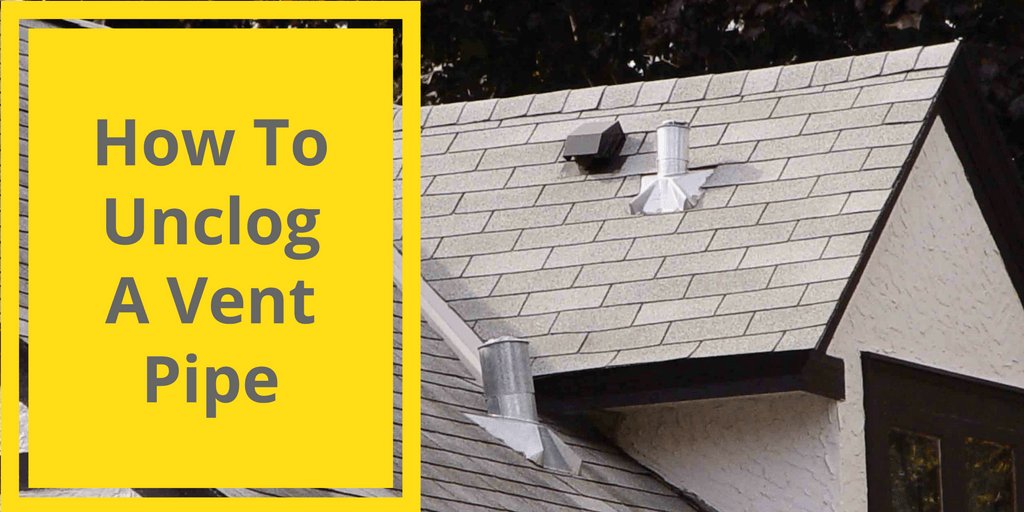
A clogged toilet vent disrupts the air balance in your plumbing, causing slow drainage, gurgling sounds, and dangerous sewer gas leaks into the home. This happens if debris, snow, or bird nests block the rooftop stack, which chokes off the air supply your waste pipes need to move water freely.
Table of Contents
What happens when your toilet vent is clogged
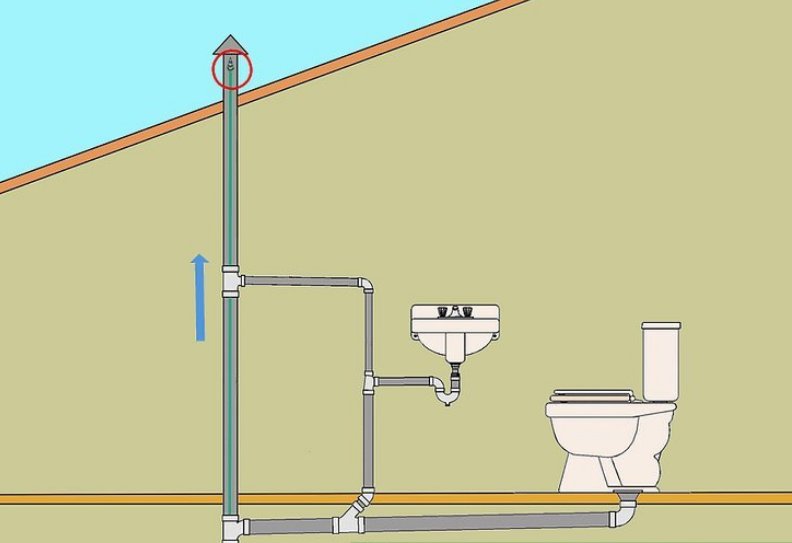
- Gurgling sounds come from your sink or tub whenever you flush the toilet.
- Water drains very slowly from the bowl even after using a standard plunger.
- Rotten egg odors enter your bathroom because negative pressure pulls water out of the P-traps.
- Flushing power drops noticeably, often leaving waste behind on the first try.
- Bubbles rise through the toilet bowl water while it slowly drains.
- Water level in the toilet bowl sits noticeably lower than its normal resting line.
Why negative pressure chokes your pipes
Your home’s plumbing relies on incoming air to push wastewater out. A roof vent stack lets outside air enter behind the draining water, which balances the internal pressure. If air can’t get in, the rush of draining water creates a strong vacuum inside the pipe network.
This vacuum pulls air from wherever it can find it. It sucks the standing water seal right out of nearby sink, tub, and toilet traps. Without that standing water barrier, hazardous sewer gases like methane and hydrogen sulfide drift straight into your living space. According to the EPA indoor air quality guidance, airborne pollutants indoors can cause headaches and serious respiratory irritation.
A blockage completely changes how water moves down the drain. You get the same physical effect as placing your finger over the top end of a drinking straw: the liquid inside can’t fall until you release your finger. If you have an open vent, water drops instantly; if your vent is blocked, the vacuum holds the wastewater in place. Clearing the rooftop pipe restores this natural pressure balance, but it requires climbing onto your roof with safety equipment. This roof work isn’t for people with steep roof pitches or those uncomfortable with heights.
When the answer is different
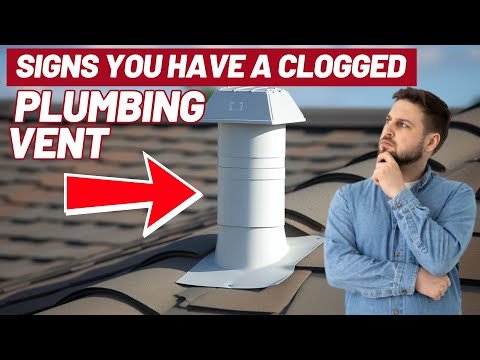
The root cause of poor drainage changes based on which fixtures show symptoms.
| Situation | What changes | What to do instead |
|---|---|---|
| Only one toilet runs slow | Blockage is in the toilet trap | Plunge or snake the toilet directly |
| All household fixtures drain slowly | Main sewer lateral line is blocked | Call a plumber to clear main line |
| Sinks gurgle during heavy rain | City sewer line is overfilled | Wait for city storm surge to drop |
| Freezing winter temperatures outside | Vent pipe top is frozen shut | Use a heat gun or hair dryer to thaw the pipe opening. |
| Single sink smells like sulfur | Drain trap dried out from disuse | Run tap water for twenty seconds |
How to do it properly
- Clear the bathroom area by closing toilet lids and opening windows for ten minutes to clear any trapped sewer gases.
- Set an extension ladder on flat, level ground using the four-to-one safety ratio to reach the roof vent securely.
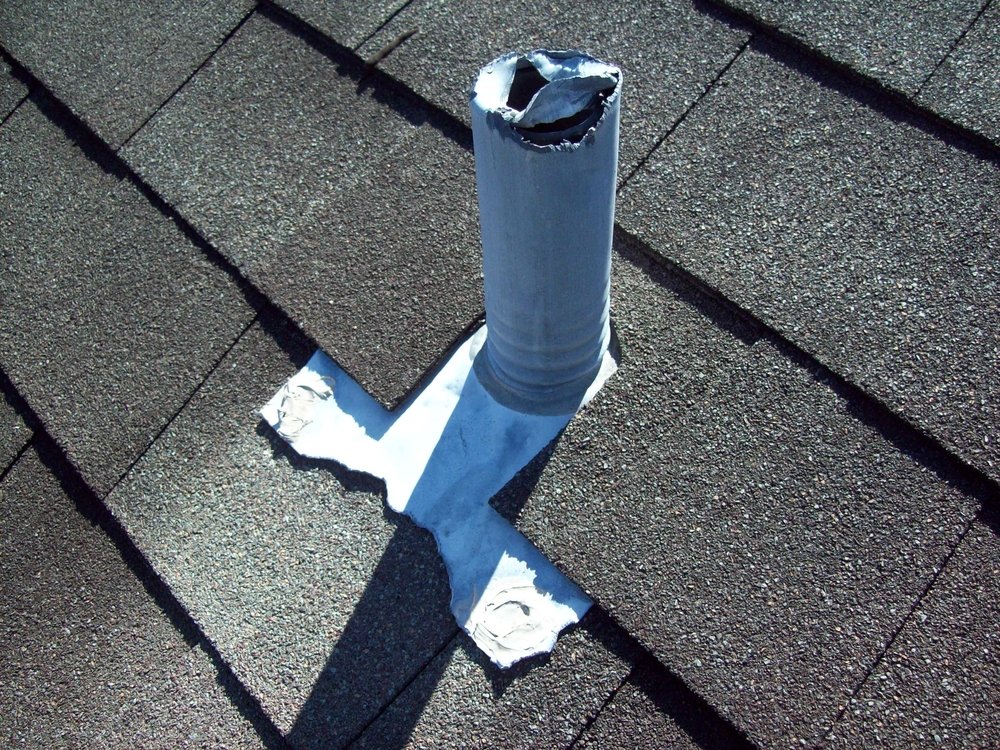
- Inspect the open top of the vent pipe on the roof using a flashlight to look for leaves, dirt, or birds’ nests.
- Remove any visible surface twigs or debris by hand while wearing heavy-duty work gloves to prevent pipe damage.
- Feed a 25-foot plumbing drain snake down the roof vent stack until you feel firm resistance from the clog.
- Turn the snake handle clockwise three to four times while pushing gently forward to break through the obstruction.
- Pull the snake line back up slowly to remove snagged hair, nest material, or tangled leaves from the pipe.
The mistakes that ruin it
- Pouring harsh liquid chemical drain cleaners down the roof vent pipe corrodes older metal plumbing and splashes toxic acid onto your roof shingles.
- Plunging your toilet with extreme force blows out the soft wax ring seal at the base of the toilet, causing hidden subfloor water leaks.
- Leaving a garden hose running at high pressure into a totally blocked stack overflows wastewater out of your indoor sink drains.
- Ignoring sewer gas smells creates a significant health hazard due to the presence of hydrogen sulfide and other toxic gases.
Frequently asked questions
Can a clogged plumbing vent make you sick?
Yes, because it allows hydrogen sulfide and methane to enter your living areas. When a vacuum siphons dry your fixture traps, sewer gas flows inside freely. Breathing these fumes causes nausea, dizziness, eye irritation, and persistent headaches over time.
Why is my toilet bubbling when the shower runs?
Air is fighting to escape through the nearest water trap. When your vent pipe is blocked, draining shower water compresses trapped air in the waste line. That air pushes backward through your toilet bowl’s standing water seal, creating visible surface bubbles.
How long does it take to clear a roof vent?
About 30 to 45 minutes for a straightforward leaf or nest blockage. The process involves setting up your ladder, clearing surface debris, running a drain snake down the stack, and flushing it clear with a garden hose. Severe ice blockages may take an hour.
What happens if you ignore a clogged toilet vent?
Sewage backups and indoor air contamination will steadily worsen if you don’t inspect the vent regularly. The persistent vacuum pulls water seals dry, letting toxic gases inside. Eventually, household fixtures will stop draining entirely, leaving dirty wastewater standing in bathtubs and sink basins.
Is it safe to clear a plumbing vent myself?
Only if your roof has a low, flat pitch and the weather is completely dry. Working near roof edges brings real fall hazards. If your roof is steep or covered in frost, hire a licensed plumbing professional with proper harness gear instead.
Does a clogged vent pipe affect every bathroom?
Yes, if your home routes all fixture drains into a single main plumbing stack. If your home uses separate branch vents for different wings, only the fixtures tied to that specific blocked stack will gurgle, drain slowly, or release foul odors.
Final Thoughts
If you notice these persistent plumbing issues, don’t wait for the situation to worsen. It’s best to contact a licensed professional who can safely climb onto your roof and clear the obstruction. They’ll ensure your pipes are breathing properly again, so you won’t have to worry about those unpleasant odors anymore.
Related guides
- What Happens When Toilet Fill Valve Fails: Signs and Fixes
- What Happens When Toilet Is Not Kept Clean: Risks and Fixes
- What Happens If Everyone Flushed the Toilet at the Same Time