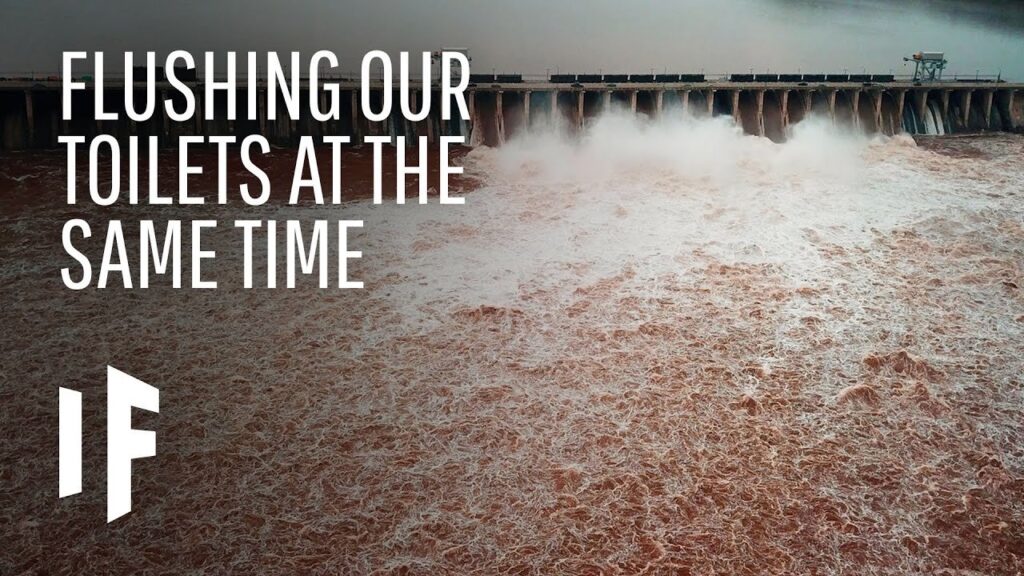
What happens if everyone flushes the toilet at the same time comes down to pipe physics: municipal water pressure drops instantly, sewer mains back up, and untreated wastewater overflows into streets and waterways. If a whole city flushes together, sewer pipes can’t take the surge, causing lift stations to fail.
The outcome depends on whether the system moves waste by gravity or electric pumps. Modern sewers hold steady during normal peaks, but sudden mass demand empties clean water feeder lines and floods collection basins.
People assume city pipes are endlessly wide, but they’re built only for normal daily averages. If your town runs on an old combined sewer, heavy surges push raw waste straight through outfalls. This scenario isn’t for dry, gravity-fed hillside homes, which drain fine while low-lying valley basements face catastrophic blackwater backflow.
Table of Contents
What happens when everyone flushes at once

- Watch the municipal supply pressure fall within ten seconds as millions of refill valves open at once.
- Listen for sewer mains filling to capacity about two to five minutes later as toilet bowls finish dumping their water. Tip: If you hear gurgling in basement floor drains, close backwater valves immediately before sewage enters the living space.
- Let city workers restart the pumps; Tip: Don’t run washing machines or dishwashers until utility providers confirm water mains have stabilized.
- Wait for treatment plant operators to divert excess inflow into emergency equalization basins to protect biological filters from washing out.
How long it takes
A synchronized flush impacts water and sewage infrastructure in distinct waves as liquid moves through municipal pipes.
| Situation | How long | What changes it | What to watch for |
|---|---|---|---|
| Single apartment high-rise | 30 to 90 seconds | Vertical pipe diameter and roof tank volume | Rattling copper pipes and slow bowl refills |
| Suburban subdivision | 5 to 15 minutes | Distance to local lift station and street slope | Gurgling street manholes and low tap pressure |
If water pressure stays low for over twelve hours, check your local utility alert page for boil-water advisories caused by damaged water mains.
How to tell when it’s done
You know the sewer and supply systems have stabilized when line pressure returns to standard household levels between 40 and 60 pounds per square inch. This varies by local utility settings. When clean tap water flows without sputtering air pockets, refill pipes are full again. If basement drains stop bubbling and local manhole covers stop venting sewer gas, wastewater transit has normalized. The final test that settles grid recovery is the plant intake level: the EPA National Pollutant Discharge Elimination System monitors municipal discharge compliance, confirming treatment facilities have brought flow rates back below emergency overflow limits.
Mistakes that ruin it
- Leaving basement floor drains uncapped: Untreated sewage backs up through lowest-level traps when municipal mains surcharge. Screw in threaded test plugs or install an automatic backwater valve to seal vulnerable lines.
- Running taps to test supply during the pressure drop: Wait until neighborhood pipe rumbling stops before testing home faucets.
- Flushing solid waste during an active system surge: Adding paper and solids to stalled sewer lines causes dense line blockages that cost hundreds of dollars to clear. If main lines back up, avoid flushing any waste until street levels recede.
Frequently asked questions
Can a simultaneous flush break household pipes?
Yes. Rapid valve closures create water hammer shocks that split weak joints. If your house has copper lines, install water hammer arrestors; if it has flexible PEX, standard wall brackets prevent pipe rattling.
Why does tap water turn brown after a major pressure loss?
Sudden pressure loss reverses water flow inside distribution lines, scraping rust flakes and mineral scale off aging iron pipes. The sediment is harmless iron oxide, but it stains clothing and plumbing fixtures. Run your cold bathtub tap for three minutes until the stream runs clear.
What happens if everyone flushes during the Super Bowl halftime?
Water authorities record noticeable pressure dips, but cities don’t flood. Utilities prepare by filling municipal water towers beforehand to buffer sudden spikes. Pressure drops slightly for ten minutes, but high-capacity urban mains absorb the surge without structural pipe damage.
Is it safe to use tap water after a massive sewer overflow?
No, not until your public water authority verifies line pressure stayed above 20 pounds per square inch. If water pressure drops below that threshold, groundwater seeps into cracked clean-water pipes. Always boil drinking water vigorously for one minute if low pressure triggers a municipal advisory.
How long does a flooded sewer main take to drain?
Gravity-fed sewer mains clear within two to four hours once flushing stops, provided tree roots haven’t blocked the line. Check utility updates if street manholes remain flooded.
Final Thoughts
Fortunately, our modern infrastructure isn’t designed to handle such a synchronized disaster, so you don’t have to worry about your bathroom plumbing failing. It’s better to focus on maintaining your home’s pipes instead. You’ll keep things running smoothly if you just remember to avoid flushing anything besides waste and toilet paper.
Related guides
- What Happens If You Push Both Buttons on a Dual Flush Toilet
- How to Make the Toilet Flush Better: Easy DIY Fixes
- Why You Should Always Flush the Toilet Before Using It