When a toilet isn’t kept clean, bacteria multiply across damp porcelain within 48 hours, creating foul smells, mineral buildup, and health hazards. Standing waste feeds pathogens like E. coli, hard water leaves permanent mineral crusts, and flushing launches unseen droplets across nearby items like towels and toothbrushes.
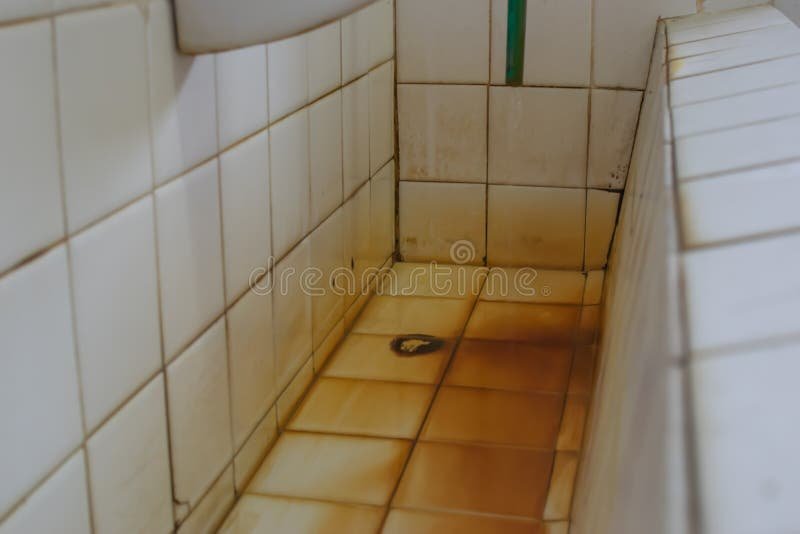
A neglected bowl fails fast because moist, warm ceramic provides the exact setup bacteria need to form slimy colonies called biofilms. These films trap sewage gases and urine salts that harden into limescale.
Pouring regular bleach directly onto dry mineral crusts won’t dissolve the rock; it only changes the color while the rough calcium keeps trapping fresh grime. This maintenance guide isn’t for people with broken porcelain bowls, since cracks leak sewage into floors and need a plumber immediately.
Table of Contents
Getting your toilet clean again

- Shut off the water valve behind the bowl by turning the oval knob clockwise, then flush once to empty most of the standing water.
- Pour 1 cup of standard household white vinegar directly onto the mineral rings to soften the hard calcium bond.
- Apply 4 ounces of liquid toilet bowl cleaner under the inner rim, coating the walls thoroughly. Tip: Never mix chlorine bleach with acid cleaners like vinegar, because combining them releases deadly toxic chloramine gas.
- Let the chemicals sit on the porcelain for 20 minutes so they can break down built-up scale and kill bacteria.
- Scrub the entire bowl using a stiff nylon brush, pushing bristles deep into the jet holes under the rim where mold hides.
- Turn the water supply valve counterclockwise to refill the tank, then flush twice to clear out all loosened waste. Tip: If water continues trickling into the bowl after 10 minutes, the rubber flapper has worn out and needs replacement.
How long it takes
Neglected ceramic takes extra time depending on local water hardness and how long waste sat without treatment.
| Situation | How long | What changes it | What to watch for |
|---|---|---|---|
| Light dust and mild odors | 5 to 10 minutes | Using hot water versus cold | Quick fading of yellow stains |
| Heavy limescale rings | 30 to 45 minutes | Hard water mineral levels | Bubbling as vinegar hits minerals |
| Black mold beneath rim | 20 to 30 minutes | Bathroom humidity and airflow | Dark streaks running down sides |
| Neglected for months | 1 to 2 hours | Acid strength of your cleaner | Scratched glaze from rough tools |
If scrubbing takes longer than 2 hours without moving the ring, the porcelain glaze has worn off completely, meaning the rough clay underneath will hold stains permanently.
How to tell when it’s done
A clean bowl shows smooth, shiny porcelain with zero rough patches when you drag a plastic scraper over the water line. The water stays clear between flushes, and the room smells neutral instead of holding a damp, sour odor. To check hidden spots, hold a hand mirror under the upper rim; you shouldn’t see any black slime or brown spots around the flush holes. The CDC guidance on cleaning and disinfecting states that surfaces must stay visibly wet with disinfectant for the full label contact time to kill harmful germs. If you still smell ammonia after washing the bowl, urine has soaked into the floor bolts beneath the plastic caps.
Mistakes that ruin it
- Using wire brushes or metal pumice tools: Scratching the slick outer glaze creates micro-grooves that trap fresh bacteria twice as fast; switch to a firm nylon brush or an authentic wet volcanic stone instead.
- Flushing with the lid up: The rushing water launches aerosol droplets carrying fecal bacteria up to 6 feet through the air; always shut the lid before pressing the handle.
- Relying only on in-tank drop-in bleach tablets: The concentrated chemicals rot the rubber flapper and plastic seals inside the tank within months; clean the bowl by hand using liquid wash instead.
Frequently asked questions
Can a dirty toilet make you sick?
Yes, contact with contaminated porcelain exposes you to Salmonella, E. coli, and norovirus. Touching unwashed surfaces and then touching your mouth transfers these germs, causing diarrhea, cramps, and stomach flu.
Why does a dark ring form in the bowl?
Minerals in your water dry against the ceramic surface every time the water level drops slightly. If iron is present, the ring turns rust-colored; if mold spores enter the water, the ring turns black.
How often should a toilet be cleaned?
Clean the bowl once a week using a disinfectant to stop bacteria from forming thick crusts. If more than three people share the bathroom, wipe the handle, lid, and seat every two to three days.
What happens if urine sits in the bowl for days?
Urine breaks down into ammonia gas, creating an eye-stinging smell that spreads through the home. The ammonia produced as urine breaks down reacts with tap water minerals, forming thick brown deposits along the bottom bend.
Is it safe to leave bleach in the bowl overnight?
No, bleach loses its germ-killing power after a few hours and gives off irritating fumes that dry out your breathing passages. Keep bleach in the bowl for only 10 to 15 minutes before scrubbing and flushing.
What causes black spots under the toilet rim?
Airborne mold spores thrive in the dark, wet tunnels where flush water enters the bowl. These fungal colonies feed on dampness and release musty smells whenever you trigger the flush handle.
Final Thoughts
Keeping your bathroom fresh doesn’t have to be a chore. By committing to a quick weekly scrub, you’ll prevent stubborn stains and keep your home feeling truly hygienic. Grab a gentle cleanser and a brush today; your future self will definitely thank you for making this small effort a regular habit.
Related guides
- How to Use Toilet Wand Disposable Refills for a Deep Clean
- Benefits of an Elongated Toilet: Comfort and Cleaning Guide
- Tub Cleaner for Fiberglass Tubs: The Safest Cleaning Methods