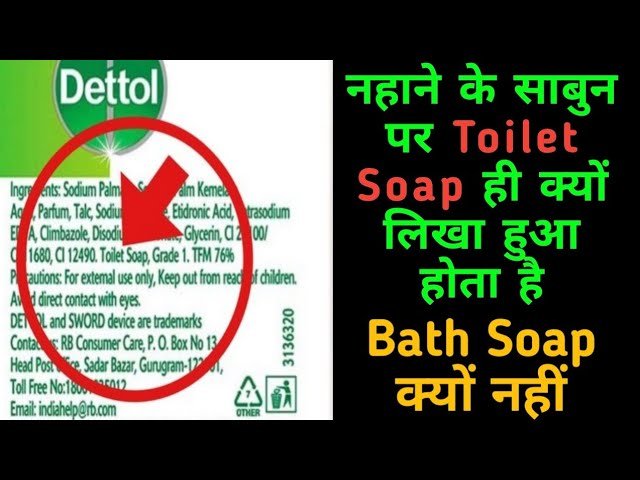
The difference between toilet soap and bathing soap is primarily determined by the total fatty matter (TFM) content, as toilet soap contains at least 60% to 76% fatty matter while bathing soap has a lower limit near 40% to 59%. Toilet soap cleans more aggressively, whereas bathing soap includes extra water and moisturizers.
The manufacturing standard directly decides whether a bar cleans off heavy grease or protects dry skin from irritation. A common error happens when shoppers assume the word “toilet” refers to bathroom fixtures rather than personal grooming, leading them to buy harsh bars for sensitive skin.
Different regional rules change these numbers, so this varies by model — check the label on the carton. The trade-off is clear: higher fatty matter yields a harder bar that lasts weeks, but it strips natural skin oils much faster than a softer bathing bar.
Table of Contents
Spotting the difference between soaps
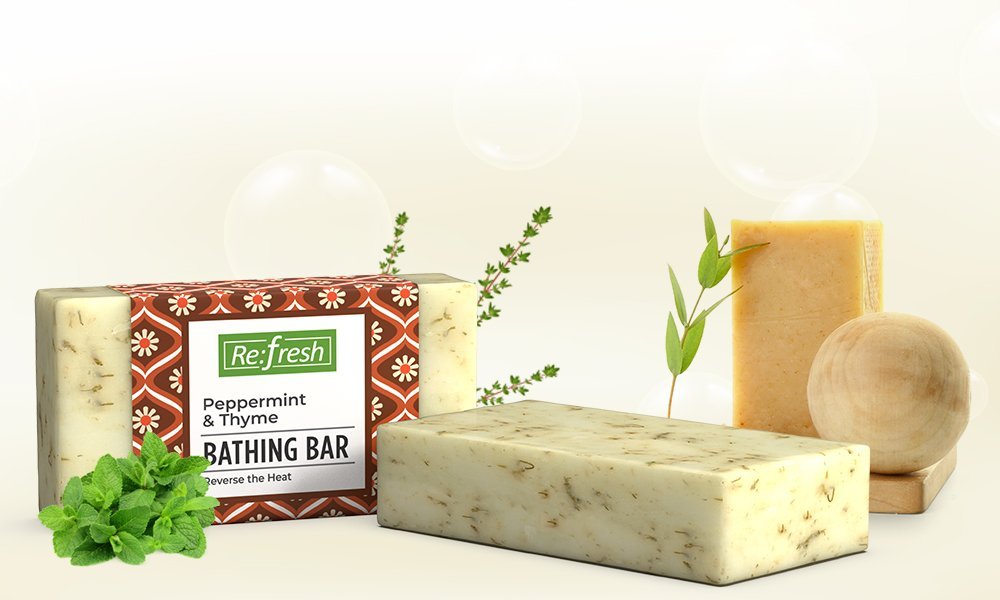
- Turn the cardboard packaging over to locate the ingredients panel and product classification.
- Search for the printed TFM percentage, which directly reveals the total fatty matter inside the product.
- Read the grade label, noting that Grade 1 bars offer the highest purity and lather.
- Verify whether the box lists synthetic surfactants, which legally reclassify a bar under the FDA cosmetic regulations rather than pure traditional soap rules. Tip: If the package says “syndet” or “cleansing bar,” treat it as a gentle bathing bar regardless of lather claims.
- Inspect the list for added emollients like shea butter, glycerin, or olive oil near the top of the ingredients.
- Choose your bar based on your skin needs: if you have oily skin or heavy dirt, pick a Grade 1 toilet bar; if you have eczema or dry skin, pick a mild bathing bar. Tip: A high-TFM toilet bar will crack if left sitting in standing shower water, so keep it on a slatted soap dish.
How long it takes
Reading the carton and testing a bar takes only a couple of minutes once you know the markers.
| Situation | How long | What changes it | What to watch for |
|---|---|---|---|
| Reading the packaging | 30 to 60 seconds | Font size and print clarity | The explicit TFM number |
| Initial lathering test | 20 seconds | Water hardness in your home | Tight, thick foam versus thin bubbles |
| Bar lifespan in shower | 2 to 4 weeks | Family size and drainage dish | Rapid softening and mushy bottoms |
| Skin reaction test | 5 to 10 minutes | Personal skin sensitivity level | Dry tightness or itching on wrists |
When a bar takes weeks to dissolve yet leaves your skin itching immediately, stop using it on your face and switch it to a handwashing dish.
How to tell when it’s done

A genuine toilet bar produces dense, creamy bubbles within five seconds of contact with warm water. The Bureau of Indian Standards mandates that Grade 1 toilet soaps achieve at least 76% TFM, which creates a noticeably firm, slick lather. Bathing bars feel slicker and softer immediately because they carry higher moisture levels. You can settle any doubt with a quick rinse: if your skin feels squeaky and stretched after drying, you just used a high-TFM toilet bar. Bathing bars leave a faint conditioning layer that prevents that tight, pulling sensation across your knuckles.
Mistakes that ruin it
- Ignoring the TFM number: Buying a product based only on fragrance leaves you with an irritating, low-quality cleanser. Check the back panel to make sure the fatty matter matches your skin type before paying.
- Using toilet soap on cracked skin: High-alkalinity toilet bars strip the skin barrier and delay healing on dermatitis patches. Switch to a syndet bathing bar that contains added glycerin whenever your hands are chapped.
- Storing bars in flat soap trays: Trapped water melts the soft fats in both soap types, ruining half the bar within days. Place your soap on a draining rack so air circulates around all sides.
Frequently asked questions

Can I wash my face with toilet soap?
No, you shouldn’t use it on facial skin. The higher cleansing strength and elevated fatty matter remove necessary surface sebum, which leads to flaking and redness. Use a dedicated facial cleanser or a mild bathing bar instead.
Why is it called toilet soap?
The name comes from the French term “toilette,” which refers to personal grooming, washing, and dressing routines. It has nothing to do with modern ceramic flush toilets or bathroom surface cleaning.
Is bathing soap safer for children?
Yes, bathing bars are generally milder for young children. Their skin is thinner and loses moisture faster, so the lower grease-cutting strength and added moisturizers in bathing bars help protect their delicate skin barrier.
What happens if you use toilet soap daily?
Daily use on normal body skin cleans away heavy sweat, dirt, and odor effectively without issues. However, if you have naturally dry skin, daily use will cause itching and tight patches unless you apply lotion immediately.
Who is this not for?
This guide isn’t for people seeking medicated treatments for active fungal or bacterial infections. Medicated bars contain targeted pharmaceutical drugs like ketoconazole or chlorhexidine that follow completely different clinical rules than standard consumer cosmetic soaps.
Final Thoughts
Choosing the right product depends on how your skin feels after a shower. If you notice dryness, you’ll likely prefer a gentler bar with more moisturizers. Check the label for ingredients like glycerin or shea butter next time you shop, and you’ll find the perfect match for your daily routine.
Related guides
- Difference Between Toilet Paper and Tissue Paper Explained
- What Is the Difference Between Toilet Water and Perfume