
What is the difference between toilet paper and tissue paper? It comes down to how fast the fibers break apart in water: bath roll breaks down in seconds to protect plumbing, while facial tissue has added chemical binders to hold together when wet.
Water solubility separates the two products. Toilet paper uses short pulp fibers with minimal binding chemicals, while facial tissue contains wet-strength additives so your fingers don’t poke through when you blow your nose.
The biggest initial error is assuming facial tissue safely flushes away like bath roll. It won’t dissolve inside home pipes, and relying on it during plumbing emergencies creates severe, expensive blockages.
Table of Contents
Toilet paper versus tissue paper safety

- Fill a clean, clear glass container with about 16 ounces of cool tap water.
- Drop two square sheets of your paper sample directly onto the water surface.
- Stir the mixture vigorously with a standard dining fork for exactly 10 seconds. Tip: Swirl in one direction so you can see if the sheets twist or disintegrate.
- Observe the paper immediately to check if the fibers pull apart into cloudy shreds.
- If the sheet stays intact, throw it in the trash can; if it dissolves into tiny flecks, it’s safe for sewer lines.
- Check your waste system type, as septic systems require paper products that break down quickly to prevent accumulation in the tank.
- If your drain lines back up after flushing facial sheets, stop running tap water and call a licensed plumber to clear the line mechanically.
How long it takes
Paper sheets break apart at vastly different speeds depending on the moisture level, binder chemicals, and physical movement.
| Situation | How long | What changes it | What to watch for |
|---|---|---|---|
| Bath roll in agitated water | 10 to 30 seconds | Bowl swirl speed | Full cloud of loose fiber pulp |
| Facial tissue in agitated water | 5 to 30 minutes | Presence of wet-strength binders | Sheets stay flat and intact |
| Bath roll in standing water | 1 to 3 minutes | Single vs double ply | Edges soften and tear easily |
| Facial tissue in standing water | Several hours | Lotion or fragrance coatings | Retains original square shape |
When bathroom paper remains solid after three minutes in standing water, check the packaging label to verify if it’s rated plumbing-safe.
How to tell when it’s done
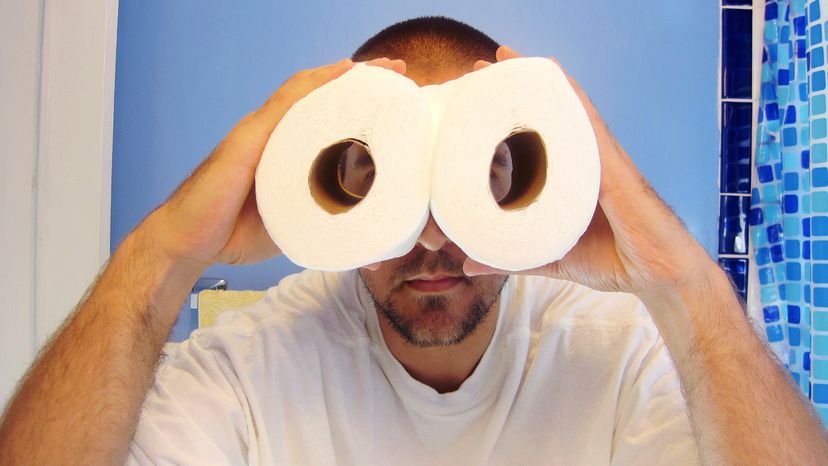
A successful breakdown leaves no whole sheets behind. You’ll see tiny, floating shreds that look like light pulp rather than flat paper. When you lift a fork through the water, plumbing-safe paper offers no resistance and won’t lift out in one piece. Facial tissue, however, catches on the fork tines and lifts out almost entirely intact. If you’re unsure whether a batch broke down enough, the ultimate test is a simple pinch: bathroom roll turns to slimy mush between your fingers, while facial tissue feels like wet, strong cloth.
Mistakes that ruin it
- Flushing facial sheets down the toilet: Binders prevent sheets from dissolving, causing severe blockages in private lateral sewer lines. Toss facial tissues into a dry trash bin instead.
- Using bath roll to clean glasses: Rough pulp fibers and wood dust scratch delicate plastic lens coatings. Use a dedicated microfiber cloth for reading glasses and screens.
- Wiping wet counters with bath roll: Short fibers pill and shred instantly upon contact with pooled water, leaving a soggy mess behind. Reach for kitchen towels designed for heavy spill absorption instead.
Frequently asked questions

Can you use toilet paper as facial tissue?
Yes, you can gently blow your nose with it in a pinch. However, bath roll tears easily when wet and lacks moisturizing lotions, so frequent use often irritates skin around your nostrils during a heavy cold.
Why does facial tissue feel softer than toilet paper?
Manufacturers treat facial tissue with mechanical softening rollers, lotions, and surface conditioners. These extra processes give facial tissue a velvety finish designed specifically to prevent nose redness, whereas standard bath paper prioritizes fast breakdown over skin conditioning.
Is it safe to flush facial tissue down the toilet?
No, it’s unsafe because facial tissue doesn’t dissolve quickly in drainpipes. This is unsafe because facial tissue contains wet-strength resins that don’t dissolve in drainpipes, leading to clogged home plumbing.
What happens if you run facial tissue through the laundry?
Tissue paper survives the wash cycle thanks to wet-strength binders, but the tumbling dryer tears it into tiny white lint flakes. These specks stick all over your dark fabrics and require sticky rollers to remove.
Can facial tissue damage septic tanks?
Yes, facial tissue floats on the scum layer rather than settling and decomposing. It doesn’t break down easily, meaning it fills septic tanks much faster and can flow into the drainfield pipes, creating costly clogs.
Final Thoughts
Next time you reach for a wipe, take a second to check the box. Using the wrong kind can lead to a messy clog in your pipes that’s no fun to fix. It’s always better to keep them in their proper places so your home’s plumbing stays clear and trouble-free.
Related guides
- Difference Between Toilet and Latrine: Waste Disposal Explained
- Difference Between Toilet and Lavatory: Definitions Explained
- What Is the Difference Between Toilet and Restroom Explained