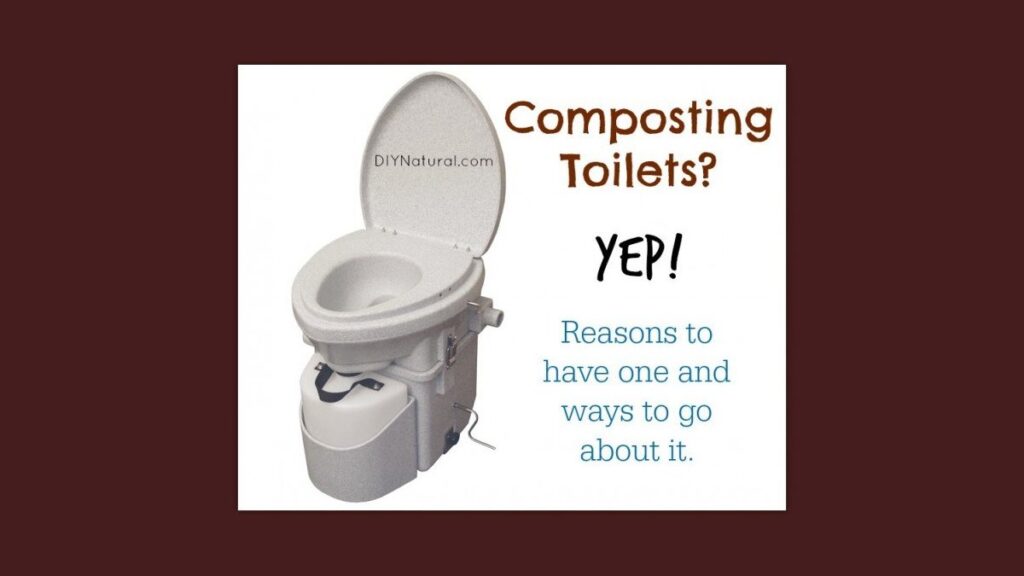
The benefits of a composting toilet for off-grid homes, cabins, and dry climates include saving water, cutting sewer costs, and creating soil nutrients. You’ll drop your indoor water use right away because these systems use zero flush water, and you don’t need a septic tank or municipal sewer hookup to handle waste.
The system works because natural aerobic bacteria break down human waste into safe, earthy organic matter. This process needs oxygen and dry carbon to stay odor-free, so keeping liquids apart from solids decides whether your setup smells fresh or rots.
This unit isn’t for high-traffic public bathrooms where strangers won’t follow simple rules. A real trade-off exists: you spend less on water bills, but you must handle your own waste removal by hand.
Table of Contents
Daily habits for your composting toilet

- Add one cup of dry carbon cover material, like coconut coir or fine sawdust, into the solids chamber before the first use.
- Sit down completely on the seat so urine diverts forward into the liquid trap, which keeps solids dry and stops bad smells.
- Drop toilet paper directly into the solids bin, unless your specific unit requires separate trash disposal.
- Add another full cup of dry carbon material over your solid waste every single time you go. Tip: Never use cedar or treated wood shavings, because their natural oils kill off the good bacteria that break down waste.
- Turn the mixing handle three full rotations after every solid deposit to mix oxygen deep into the pile.
- Empty the liquid bottle every two to three days for two adults, or dispose of it according to local sanitation ordinances. You can review safety standards from the EPA on composting toilets to see how local rules treat dry sanitation setups.
How long it takes
Solid waste breaks down at different speeds depending on heat, chamber size, and routine use.
| Situation | How long | What changes it | What to watch for |
|---|---|---|---|
| Active self-contained unit (2 adults) | 4 to 6 weeks | Bin volume and daily use | Chamber reaching full line |
| Secondary outdoor bin cure (warm weather) | 6 to 12 months | Ambient air temperature | Heat drops and pile shrinks |
| Central batch system (large tank) | 1 to 2 years | Heating element and airflow | Dark color and crumbly texture |
If your indoor bin fills up in under three weeks, add less bulky cover material or empty it into an outdoor cure bin early.
How to tell when it’s done

Finished compost looks like dark topsoil and smells like an autumn forest floor. You won’t see toilet paper pieces, clumps of waste, or wet pockets anywhere in the mix. The material must feel slightly damp but never soggy, crumbling easily when handled with garden gloves. When moisture levels disagree with pile temperature, check the internal heat. The pile is now safe for use on ornamental trees and flower beds.
Mistakes that ruin it
- Letting the pile get soaked: Excess liquid drowns helpful bacteria, turning the chamber sour and smelly. If your mix looks soggy, add two scoops of dry peat or coir.
- Adding chemical cleaners: Harsh bleach kills the entire living colony of bacteria in minutes. Clean your bowl with plain water and gentle liquid soap instead.
- Using non-aerated storage bins: Stashing fresh waste inside airtight plastic buckets forces anaerobic rot and costs you hours of nauseating clean-up. Cure waste only in vented, animal-proof outdoor bins that let air circulate freely.
- Skipping winter temperature control: Cold rooms stop bacterial breakdown, which fills your indoor tank before waste can shrink. Keep your bathroom above 60°F.
Frequently asked questions

Do composting toilets smell inside the house?
No. When properly vented and used with dry carbon cover, an active system creates less odor than a regular water toilet. The small electric fan pulls air down through the bowl and vents it out through a pipe in your roof.
Can you put regular toilet paper in them?
Yes, standard single-ply or recycled toilet paper breaks down well in the solid waste chamber. Avoid wet wipes or thick multi-ply tissues with lotion, because synthetic fibers won’t decompose in a basic dry pile.
Where do you dump the liquid waste?
You can pour the urine container into a standard flush toilet, an approved drain field, or dilute it with water for use on shrubs. This varies by model and local code — check the label and your county sanitation ordinances first.
Can you use the finished compost on vegetables?
No. Never apply human-derived compost directly to food crops or root vegetables, to avoid any risk from stubborn pathogens. Spread it around fruit trees, ornamental garden beds, or native landscaping shrubs instead.
What happens if bugs get into the system?
Small fungus gnats or fruit flies multiply quickly if the solids chamber stays too moist. Add a thick layer of dry carbon over the surface, check that the vent screen is tight, and close the toilet lid when it’s not in use.
Final Thoughts
Switching to this system is a smart way to live more lightly on the land. If you’re ready to get started, look up local regulations in your area to see which models fit your space best. You’ll be surprised at how quickly this simple change becomes a natural part of your daily routine.
Related guides
- Benefits of Low Flow Toilet Fixtures: Water and Cost Savings
- What Happens When Toilet Water Splashes on You: Health Risks
- What Is a Chair Height Toilet: Measurements and Benefits