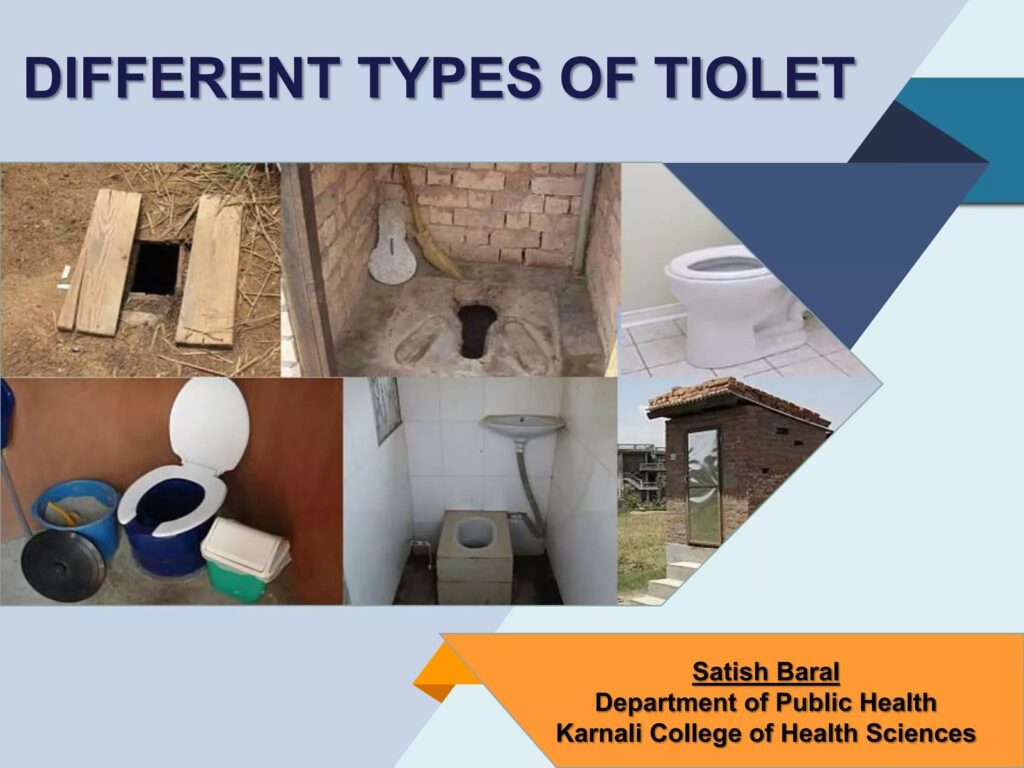
The primary difference between a toilet and a latrine is the waste disposal mechanism: a toilet uses water and plumbing to flush human waste away into a municipal sewer or septic tank, while a latrine collects waste directly beneath the user in a pit or trench without a continuous water supply.
Table of Contents
The main difference between a toilet and latrine

- Standard flush toilets require a sufficient volume of water to initiate a siphon in the trapway.
- Simple pit latrines operate entirely without pipes or running water, relying instead on natural decomposition inside an underground chamber.
- Water seals inside toilets block sewer gases and insects from entering the bathroom; basic latrines lack this barrier and require vent pipes.
- Latrine pits fill over time and require excavation, relocation, or mechanical pumping roughly every 3 to 10 years depending on soil absorption and user count.
- Modern flush fixtures belong inside residential living spaces, whereas open-pit latrines require placement outdoors, at least 50 feet away from living quarters.
Why waste management designs differ
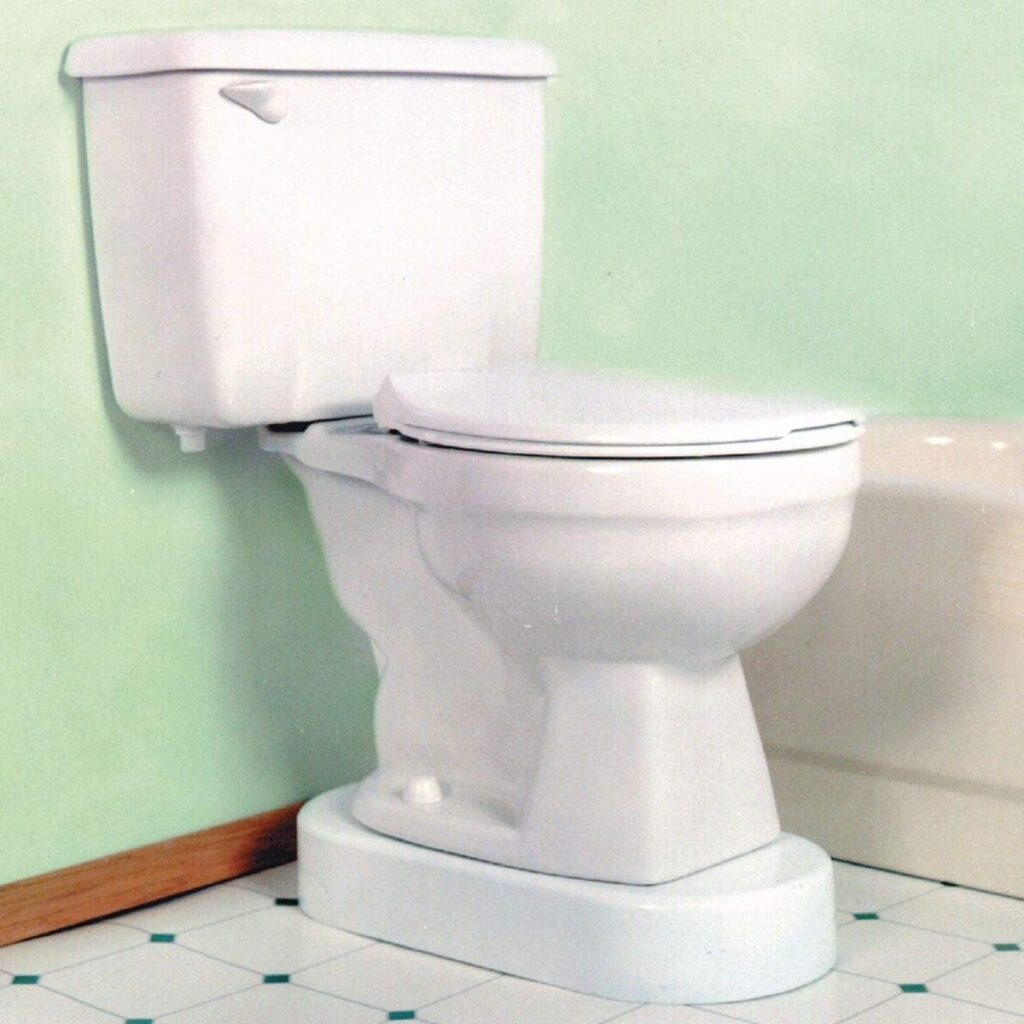
A flush toilet relies on a built-in trapway—a curved, U-shaped channel that holds a barrier of standing water. This water barrier stops toxic sewer gases, such as methane and hydrogen sulfide, from traveling backward out of the drainage pipes and into your home. The fixture demands an active municipal sewer or an on-site septic tank, alongside plumbed water delivery that can supply 1.28 to 1.6 gallons per flush under US federal standards.
In contrast, a latrine functions as a containment system rather than a transport system. Waste drops directly into an excavated cavity in the ground below the user. Because it lacks a water seal, the pit relies on natural microbial activity in the surrounding soil to leach liquids out while solids break down. According to technical guidance from the World Health Organization sanitation guidelines, proper containment in simple pit systems requires lining walls in unstable soils to keep the structure intact and prevent pit collapse. You gain independent off-grid functionality, but you accept a design trade-off: latrines don’t isolate odors at the source fixture as effectively as water seals do.
When the answer is different

The boundary between these two systems blurs whenever running water, mechanical packaging, or chemical additives alter the standard setup.
| Situation | What changes | What to do instead |
|---|---|---|
| Pour-flush installation | Uses water seal over an outdoor pit | Pour half a gallon manually down bowl |
| Chemical aircraft facility | Recirculates blue disinfecting fluid | Drain fixture into dedicated airport truck |
| Marine head on boats | Uses hand pumps and holding tanks | Pump waste directly to onboard tank |
| Composting dry chamber | Separates liquids and turns solids dry | Add dry wood shavings after each use |
| Packaged incinerating unit | Uses electric heat instead of water | Burn waste down to sterile ash |
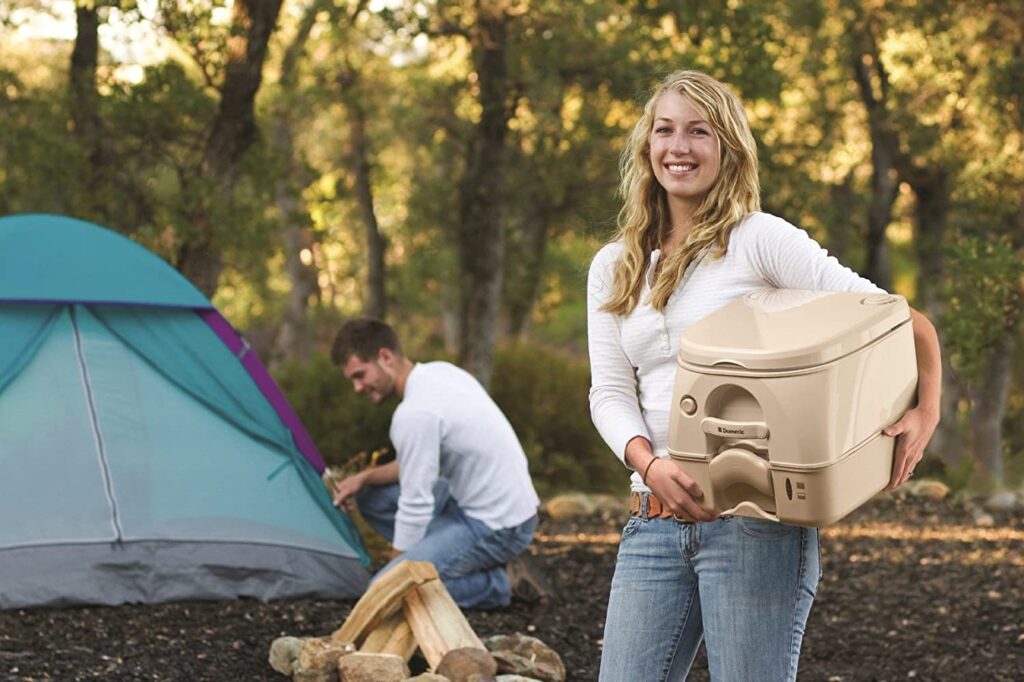
| Vault recreation area | Non-draining tank sealed under seat | Hire vacuum pump truck regularly |
How to do it properly
- Check the local water table depth using municipal groundwater maps, confirming the seasonal high water table sits at least 5 feet below your planned excavation depth.
- Select the system design based on utility connections: if pressurized plumbing exists, install a toilet; if running water is unavailable, build an outdoor pit latrine.
- Measure the lateral separation distance from clean water supplies, ensuring an outdoor latrine sits at least 100 feet away from any private drinking well or spring.
- Install a concrete squatting slab or a reinforced riser platform directly over the opening so no gaps expose the open hole below.
- Fit a 4-inch vertical PVC vent pipe running from the pit up through the roofline, topping it with corrosion-proof wire mesh to catch insects.
The mistakes that ruin it
- Digging a pit directly into fractured rock or high water tables, which allows raw bacteria to enter nearby drinking wells without natural soil filtration.
- Pouring harsh chemical cleaners or chlorine bleach into a compost or dry latrine, which halts bacterial decomposition and produces foul, stagnant odors.
- Omitting the fine insect screen on top of an external latrine vent pipe, which lets disease-carrying flies breed in the waste and escape into living areas.
- Throwing thick wet wipes, hygiene products, or rags into a low-flow flush toilet, which causes severe mechanical blockages that cost hundreds of dollars in plumbing repairs.
Frequently asked questions

Can a latrine be installed inside a house?
No. Latrines produce high levels of moisture, airborne bacteria, and offensive odors that escape through the drop opening. Without pressurized plumbing and trapped drains to seal out subterranean gases, indoor installations pose serious respiratory and sanitation hazards.
Does a pour-flush system count as a toilet or a latrine?
It counts as a hybrid. A pour-flush system uses a water-filled trap bowl like a conventional toilet, but users pour 1 to 2 liters of water by hand, sending the waste into an offset pit rather than a centralized sewer pipe.
How long does an outdoor latrine pit last before filling?
The lifespan depends on the family size and the depth of the pit. The exact lifespan varies by soil permeability—sandy soils absorb fluids rapidly, while dense clay retains moisture, filling the volume much faster.
Is it safe to convert a pit latrine into a flush toilet later?
Yes, but only if you abandon the dry pit and construct an approved septic tank or connect to city mains. Diverting continuous flush volumes into an unlined, simple latrine pit causes sudden structural collapse and groundwater contamination.
Why do some parks use vault toilets instead of flush systems?
Vault units are waterless latrines built over heavy plastic holding tanks. Public parks install them where running water is unavailable, freezing weather bursts pipes, or remote locations prevent connection to municipal sewers.
What happens if you run a flush toilet without running water?
The bowl fails to clear waste. You can bypass the broken supply by manually dumping approximately 2 gallons of water quickly into the center of the bowl, which activates the siphon without using the supply valve.
Final Thoughts
Choosing the right sanitation system depends entirely on your local infrastructure and available resources. If you’re planning a new installation, it’s best to consult with a local plumber or health official first. They’ll help you decide which option is safer and more sustainable for your specific home and community needs.