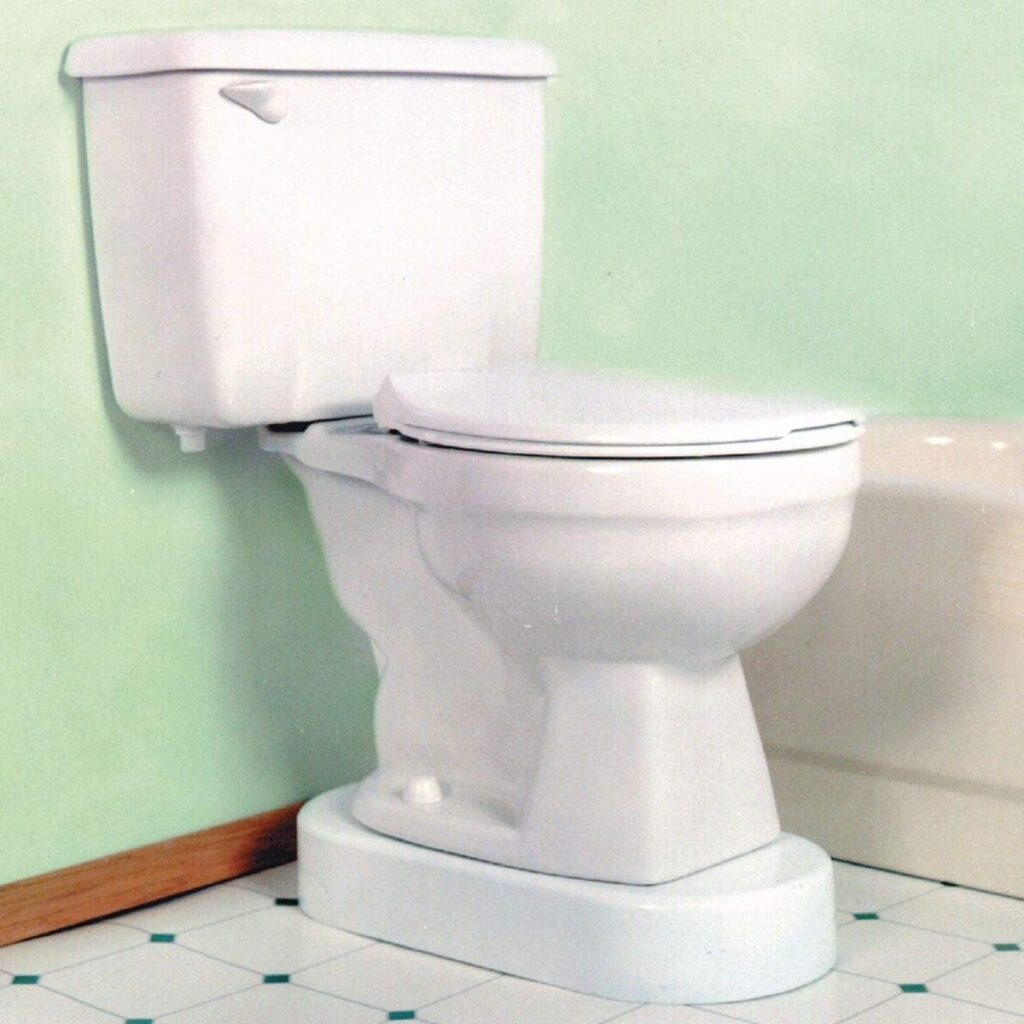
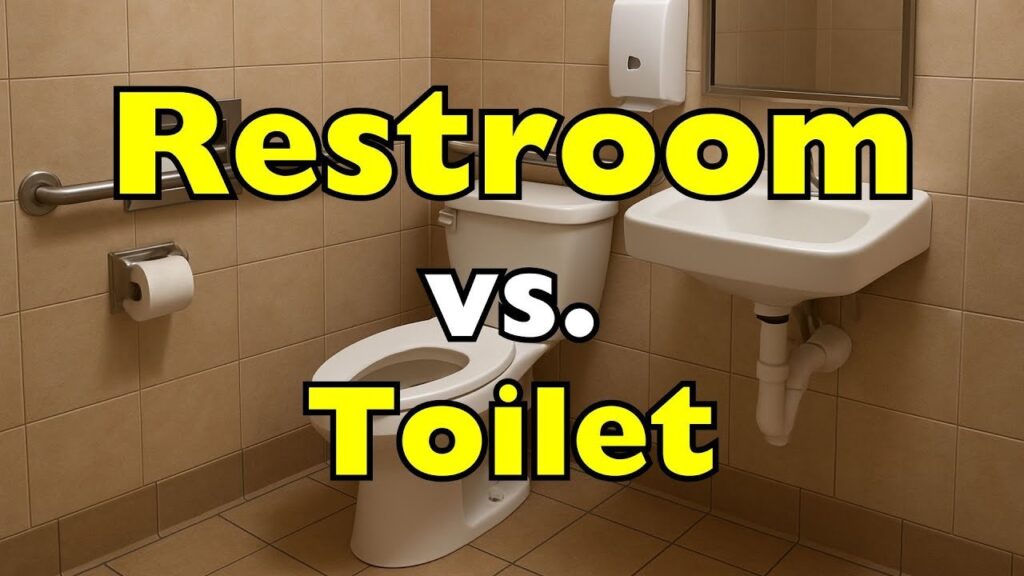
The difference between a toilet and a restroom is that a toilet is the physical porcelain fixture you sit on, while a restroom is the entire public room that contains sinks, soap, and toilets. In American English, “restroom” refers strictly to public spaces like restaurants, while “toilet” names only the hardware.
Table of Contents
The main difference between toilet and restroom
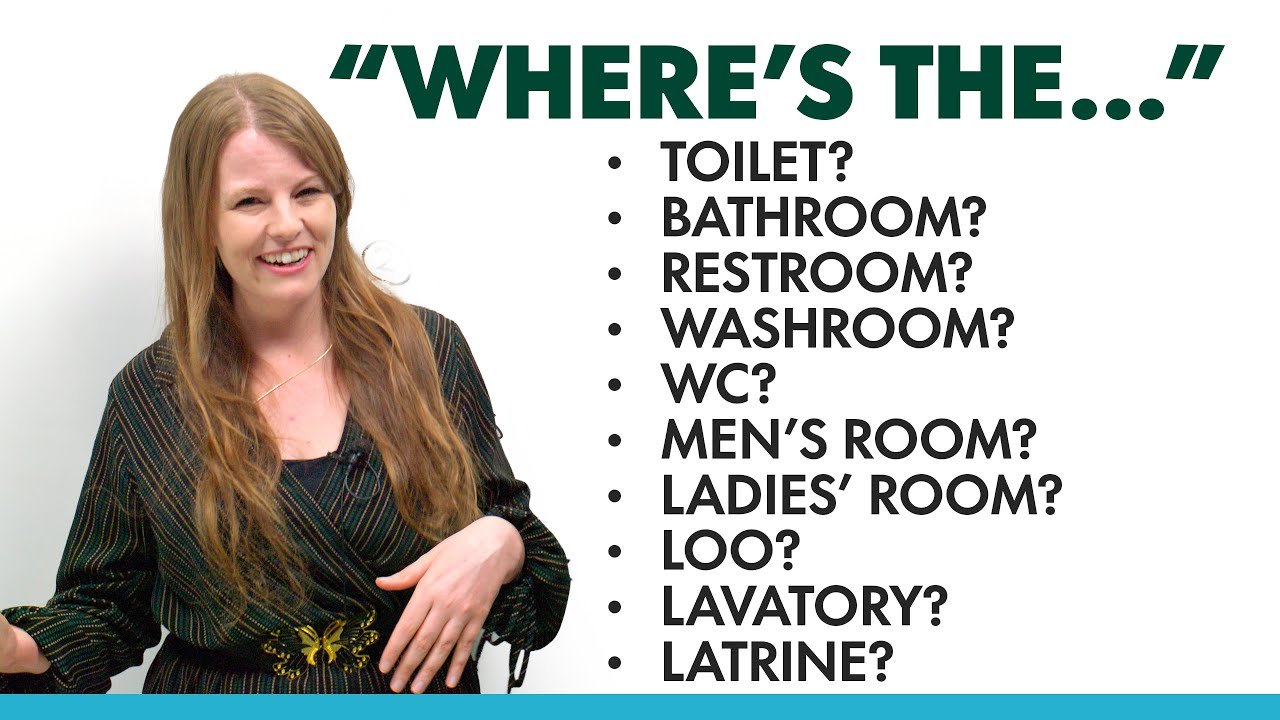
- A toilet is a plumbed plumbing fixture designed for bodily waste disposal.
- A restroom is an entire room located in a public or commercial building.
- American speakers view the word “toilet” as overly graphic when referring to a room.
- Private homes have bathrooms or powder rooms, never restrooms.
- If you need to wash your hands in an American business, ask for the restroom.
- Outside North America, people use the word “toilet” to describe both the room and the fixture.
Why Americans separate the room from the fixture
Language taboos drive the split between these two terms. During the early twentieth century, American culture pushed bodily functions out of polite public speech. Direct words felt crude to urban middle-class ears, so people chose softer descriptions. The word “restroom” became common because early department stores built large lounges with comfortable chairs and couches where shoppers could take a break next to the washbasins.
The physical hardware keeps its mechanical definition, but public spaces take polite names. Today, businesses must follow specific building codes for these public spaces. For example, federal regulations like the ADA accessibility standards enforce specific clearance spaces for stalls and sinks in public restrooms to accommodate wheelchairs. The trade-off for using polite terms like “restroom” is confusion for international visitors who expect plain literal speech. This distinction isn’t for English speakers outside North America, who regularly ask for “the toilet” without causing offense. When you use “toilet” to describe a room in an American restaurant, staff understand your need, but they will find the phrasing blunt and socially clumsy.
When the answer is different

The right word changes based on who owns the building, the location, and local customs.
| Situation | What changes | What to do instead |
|---|---|---|
| Inside an American private home | Private homes don’t have restrooms | Ask for the bathroom or powder room |
| Inside a house without a shower | The room only has a toilet and sink | Ask for the half bath |
| Traveling through the United Kingdom | “Restroom” is rarely used by locals | Ask for the toilet or the loo |
| Visiting an Australian venue | People favor short, casual terms | Ask for the toilet or the amenities |
| Looking for an outdoor trail facility | There’s usually no running water | Look for a vault toilet or latrine |
| Walking through an airport terminal | Signs use symbols alongside regional words | Look for the universal gender or stall icons |
How to do it properly
- Check your setting before speaking to confirm whether you’re in a private home or an active business.
- If you’re in an American store, ask an employee “Where is the restroom?” to follow local polite standards.
- If you’re inside a private residence, ask your host “Where is the bathroom?” even if you don’t plan to shower.
- Listen for local dialect cues whenever you cross borders, because regional words vary by region—check local signs if you’re unsure.
- In British pubs, ask the staff directly for the toilet to avoid sounding overly formal or confusing.
- Verify the sign on the door before entering to ensure the facility matches your needs, whether single-occupancy, family, or multi-stall.
The mistakes that ruin it
- Asking a restaurant server “Where is your toilet?” makes the conversation awkward because American ears treat the word as unnecessarily graphic.
- Asking a homeowner for the “restroom” sounds stiff and unnatural, creating unnecessary social distance with your host.
- Assuming every “bathroom” contains a bath or shower causes confusion, since Americans use the term for residential rooms that only hold a sink and toilet.
- Overlooking door icons in foreign transit hubs can lead you past functional facilities while you search for the exact English word on a sign.
Frequently asked questions

Can I ask for the toilet in a US restaurant?
Yes, staff will understand what you need, but you’ll sound crude. American custom prefers polite, indirect words for waste disposal. Asking for the restroom keeps the interaction natural and avoids drawing direct attention to the plumbing fixture you plan to use.
Is a bathroom the same as a restroom?
No, a bathroom contains bathing facilities like a shower or tub and belongs in a home. A restroom is a public facility in a business or school with multiple stalls and sinks, but never a bathtub or domestic shower unit.
Why do Americans avoid saying toilet?
Americans avoid saying “toilet” because twentieth-century social etiquette labeled direct bodily references impolite. Commercial lounges added couches and vanity mirrors near washrooms, leading to the softer name “restroom.” The habit stuck, making the literal word feel aggressive in casual social conversation.
What happens if I ask for a restroom in the UK?
Staff might pause for a moment before pointing you in the right direction. British English speakers use “toilet,” “loo,” or “gents/ladies.” While they understand American movies, the word “restroom” sounds old-fashioned, overly delicate, and distinctly foreign in standard British establishments.
Does a restroom always have more than one toilet?
No, many small coffee shops and gas stations feature single-occupancy restrooms with just one locking door. The term applies to any customer-facing facility in a commercial property, regardless of whether it has one toilet behind a locked door or twenty stalls.
Is it safe to use public restrooms alone?
Yes, modern public restrooms in operational businesses are safe to use during standard business hours. Most commercial venues place them near main customer areas. If a location appears unlit, unmaintained, or isolated behind an exterior alley, find a busier business nearby instead.
Final Thoughts
Next time you’re out in a busy city, pay attention to how locals use these words. You’ll notice that asking for the restroom sounds much more natural in a cafe or office. Just pick the word that fits the setting, and you won’t have any trouble finding your way around.