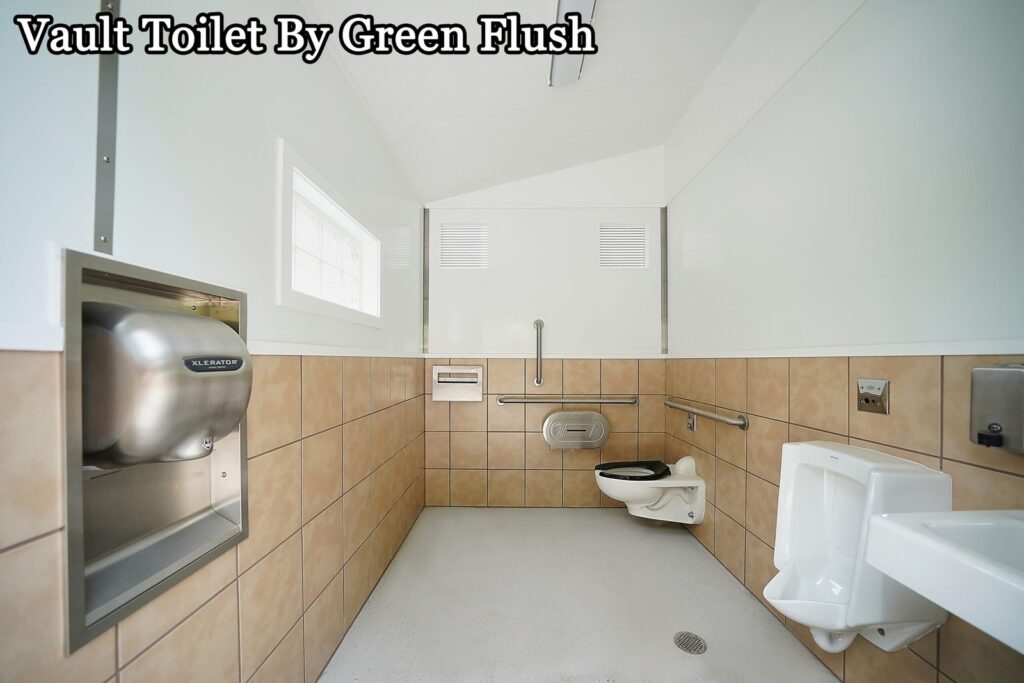
A vault toilet at parks and trailheads is a waterless non-flush restroom built over a sealed underground holding container. The container catches and stores waste until a municipal pumper truck empties it directly through an exterior cleanout hatch. Strong airflow from a tall exterior vent pipe controls bad odors without running water or electricity.
Table of Contents
The short version
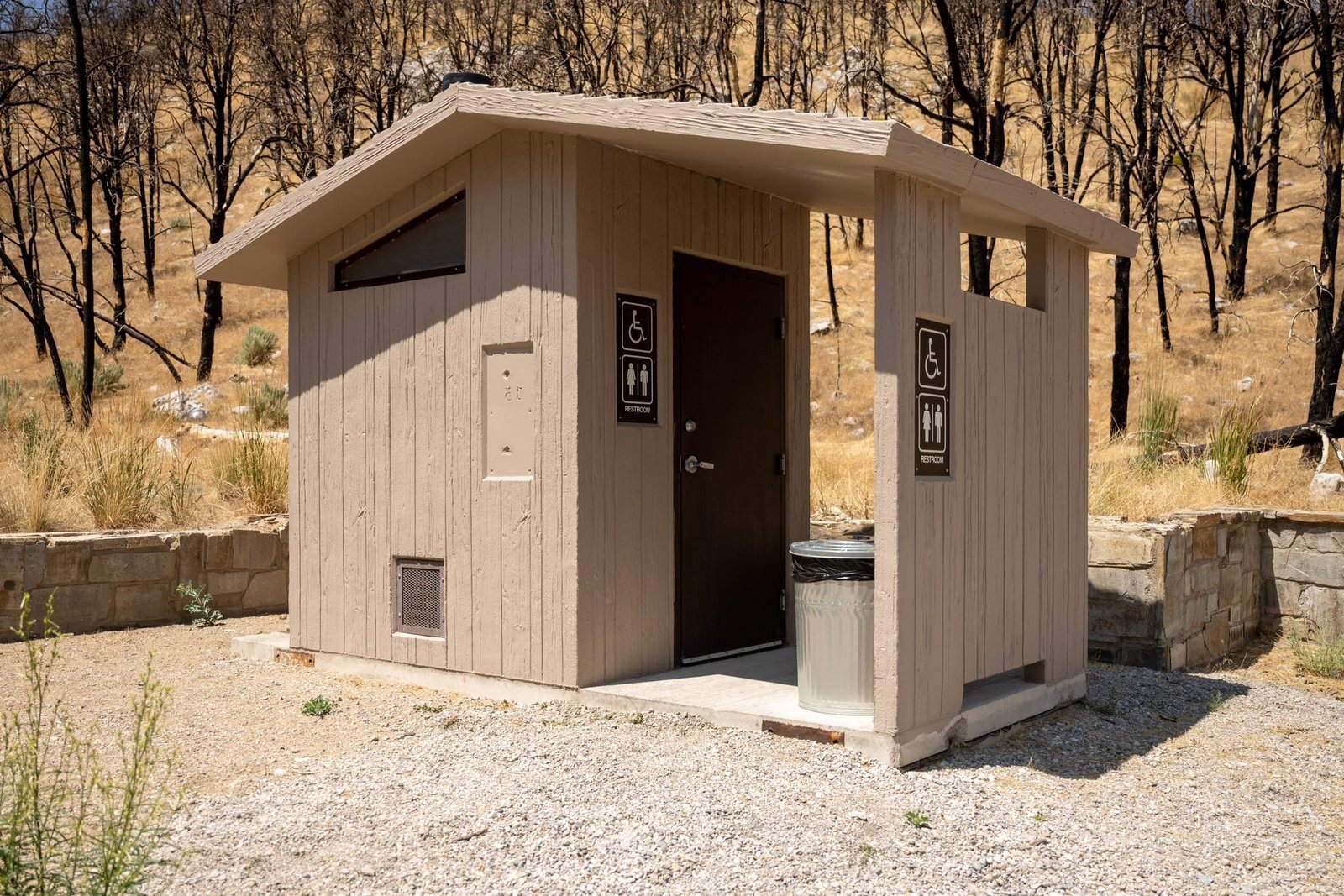
- An underground holding tank stores 750 to 1,500 gallons of waste beneath a single-stall shelter.
- A black vent pipe uses natural solar heat to create a chimney effect that pulls air from the room down the toilet riser and out the roof.
- Heavy pump trucks empty the tank from an outside access hatch when it fills up.
- Hand sanitizer dispensers replace running sinks because the shelter lacks municipal water hookups.
- Toilet paper is safe to drop inside, but trash like wipes or bottles ruins the pumping equipment.
- The shelter door must stay shut so the internal draft pipe can vent smells outside properly.
Why natural airflow stops restroom odors
Airflow moves through the structure using a passive solar chimney effect designed to clear gases without electric fans. A black metal vent pipe rises above the shelter roof on the sunny south-facing side. Solar heat warms this dark pipe, causing the air inside it to heat up and rise out the top.
This rising warm air creates a low-pressure pull that draws replacement air down through the open toilet riser seat. The airflow sweeps through the underground holding vault and exits through the roof chimney, carrying smells away before they reach the building interior. If someone props the door open, air rushes in through the entrance instead of moving down the riser, causing bad odors to flood the room.
The structure offers a distinct trade-off: it needs no water line or sewer grid to function, but it creates intense odor if visitors leave doors ajar on windless days. This setup isn’t for heavily urbanized parks that need heated amenities and high-volume sinks. Holding capacities vary by installation model, so check the site post or agency notice board for specific tank limits.
When the answer is different
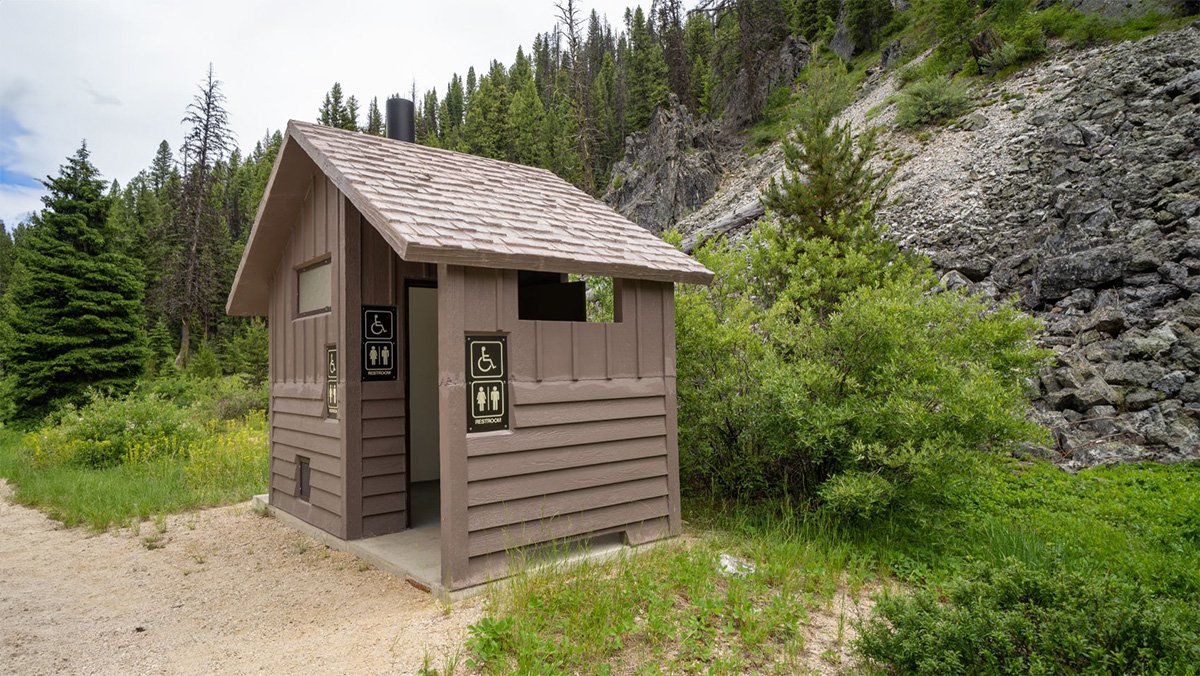
Park managers pick alternative waste systems when ground conditions, terrain, or user volume don’t fit standard underground storage.
| Situation | What changes | What to do instead |
|---|---|---|
| Rocky solid ledge bedrock | Can’t dig deep hole | Build raised composting toilet |
| High water table ground | Groundwater risks leaking inward | Install above-ground holding tank |
| Pumper truck can’t reach | No road access exists | Use pack-out waste bags |
| Freezing winter alpine zone | Slurry freezes into solid mass | Use dry urine-diverting system |
| Heavy urban park traffic | Daily capacity exceeds tank size | Hook up flush plumbed lines |
How to do it properly
- Check that the door latch closes firmly behind you to maintain the negative airflow draft across the room.
- Inspect the bench seat for dust or moisture, wiping the plastic surface clean with dry toilet paper if necessary.
- Open the lid fully, leaving your personal gear and bags outside the open drop hole to avoid lost items.
- Use the toilet naturally, dropping only personal bodily waste and single-ply paper directly into the vault below.
- Close the toilet lid firmly after finishing, ensuring bad gases stay routed through the exterior vent pipe chimney.
- Clean your hands using a coin-sized drop of alcohol sanitizer gel from the wall dispenser, rubbing for 20 seconds.
The mistakes that ruin it
- Dropping plastic bottles, baby wipes, or aluminum cans into the tank clogs the pumper hose, costing park agencies thousands of dollars in specialist mechanical extraction.
- Propping the shelter door open with rocks breaks the negative air draft, instantly pulling raw holding tank odors straight up into the stall.
- Dumping greywater from camping dishes into the vault fills up the gallon capacity too early, forcing premature facility closures before the scheduled service truck arrives.
- Leaving the toilet seat lid lifted lets flies breed inside the underground waste slurry, spreading dirt across the sitting surfaces.
Frequently asked questions
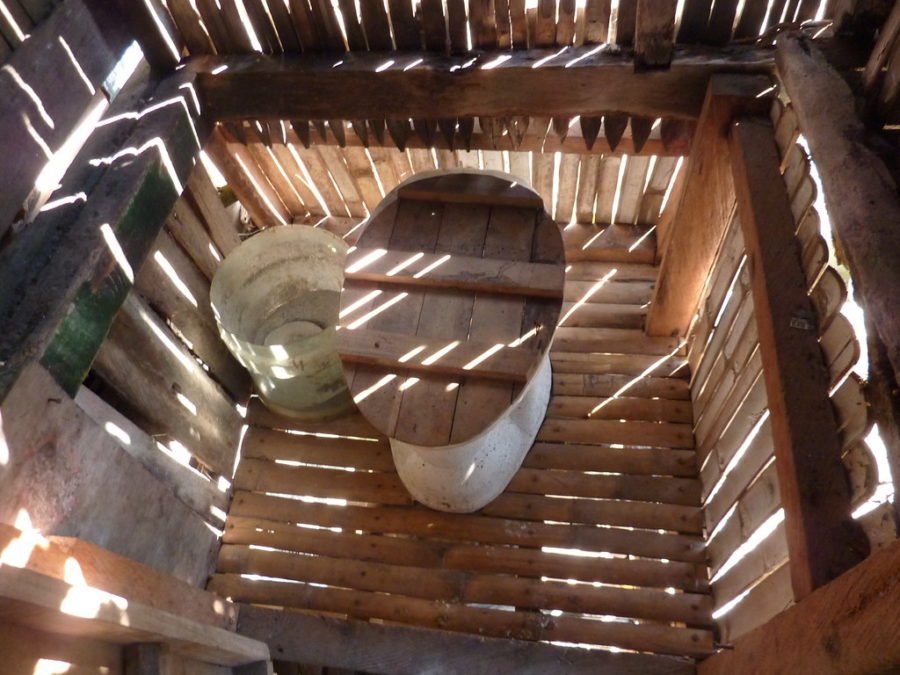
Does a vault toilet smell bad?
No, it doesn’t smell bad if visitors keep the door closed. The solar vent pipe pulls air downward through the toilet hole and exhausts odors out through the roof. If someone props the door open, the draft breaks and odors quickly fill the room.
Can you flush a vault toilet?
No, you can’t flush a vault toilet because it has no running water pipes or internal flush handles. Waste drops straight down an open riser into an underground containment tank. Adding water by hand is prohibited because it fills up the storage tank much faster.
Where does the waste go?
The waste drops into an airtight concrete or polyethylene container buried directly under the concrete floor. The container holds the waste safely underground until a commercial vacuum pump truck hooks a hose to the outside cleanout portal and hauls the sewage away for municipal treatment.
Is it safe to use a vault toilet?
Yes, it’s completely safe to use when visitors follow basic hygiene rules. The holding tank sits sealed away beneath a reinforced slab. Use alcohol-based hand sanitizer after touching handles, and keep children from leaning over the open toilet riser hole to prevent dropped items.
What happens if you drop your phone down the hole?
Your phone drops into deep biological waste and can’t be retrieved safely. Park staff won’t enter the vault tank because the toxic gases create lethal conditions. You must replace the phone, as fishing hooks or tools rarely work and risk falling in as well.
How often are vault toilets pumped out?
They’re pumped out regularly, depending on visitor traffic and total tank capacity.
Final Thoughts
These facilities aren’t always glamorous, but they’re essential for keeping our wilderness areas clean and accessible for everyone. When you’re out hiking, don’t forget to pack your own hand sanitizer, as these spots rarely have running water. You’ll be glad you’re prepared whenever nature calls during your next outdoor adventure.
Related guides
- How to Remove Urine Scale from Toilet Bowls Quickly
- How to Make the Toilet Flush Better: Easy DIY Fixes
- Toilet Seat Turns Blue Causes and Solutions Explained