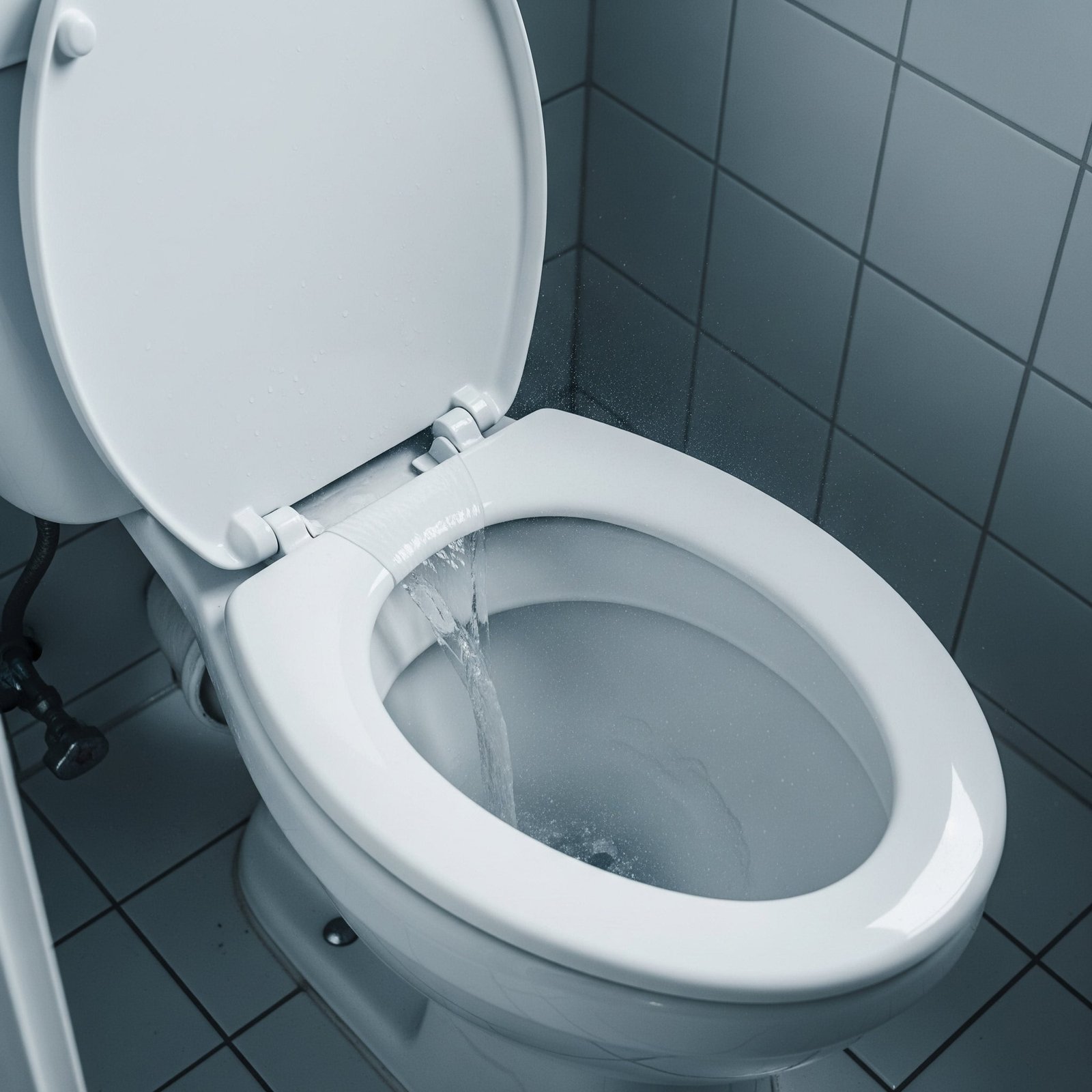
When your plastic seat stains mysteriously, examining the toilet seat turns blue causes and solutions shows that dye transfer from clothing is the reason most of the time. You can confirm it within two minutes by wiping a hidden corner with rubbing alcohol. If color lifts onto a cotton pad, your clothes did it. If nothing lifts, the plastic reacted to sweat or bathroom cleaners instead.
Table of Contents
Why your toilet seat turns blue

| Cause | How common | How to confirm it | Fix it yourself? |
|---|---|---|---|
| Blue jeans dye transfer | Most of the time | Rub with alcohol pad | Yes |
| Hormonal sweat changes | Sometimes | Stains match bare skin | Yes with care |
| Cleaner reaction | Sometimes | Appears after bleach use | Yes |
| Pseudochromhidrosis | Rare | Colored sweat on clothes | No |
| Copper pipe corrosion | Very rare | Blue water in bowl | Yes with care |
| Chromhidrosis | Extremely rare | Diagnosed by a dermatologist | No |
Blue dye transfer from clothing
Denim friction causes most blue stains on plastic toilet seats. Unwashed blue jeans, indigo leggings, and dark work pants shed loose dye particles. When you sit down, body heat and normal pressure press that dye into the porous top layer of smooth plastic seats.
To test for dye transfer, take 1 clean cotton ball or paper towel. Add roughly 1 teaspoon of 70% isopropyl rubbing alcohol. Rub a stained spot firmly for 15 seconds. If blue color shows on the cotton, loose clothing dye is the exact culprit.
To remove it, apply about 1 tablespoon of baking soda mixed with 1 teaspoon of warm water to make a paste. Spread it across the marks and let it rest for 10 to 15 minutes. Wipe it clean using a microfiber cloth. This fix takes about 20 minutes of your time. It costs very little compared to buying a replacement seat. A trade-off here is clear: strong solvents like acetone lift dye faster, but they melt smooth plastic coatings and permanently ruin the finish.
Sweat reacting with porous plastic
Skin sweat and skin oils can turn light plastic blue, purple, or dark gray without any dyed clothing involved. During pregnancy or periods of high stress, body chemistry changes quickly. Elevated hormone levels shift the pH balance of sweat. When this acidic sweat meets cheap, porous plastic or seats with a degraded protective coat, a slow chemical reaction stains the material.
You can tell this apart from fabric dye because the marks match the exact shape of your bare thighs and sit-bones, not where your clothing touches. Rubbing alcohol won’t pull any color off onto a cloth because the plastic itself changed color.
If you see these body-shaped marks, wash the seat using mild dish soap and warm water daily. The stain might not fade right away, but it stops getting darker. This guide isn’t for people with painted real-wood seats, as moisture and scrubbing strip paint layers right down to the bare timber.
Reactions from harsh chemical cleaners

Bleach and blue toilet bowl cleaners often discolor white plastic seats over time. Many people spray strong chlorine bleach or toilet-bowl disinfectant under the lid and close it immediately. The trapped vapors build up concentrated fumes. These harsh chemicals attack the seat’s anti-microbial clear coat, which triggers a chemical yellowing or bluish-gray staining inside the plastic layer.
The big mistake people make is scrubbing the blue stain with more pure bleach, which costs them the entire seat because it ruins the surface permanently. To stop vapor damage, leave the toilet lid raised for at least 30 to 45 minutes after using bowl cleaners. If cleaner damage has soaked into the plastic, standard cleaning chemicals can’t reverse it.
The less likely causes
- Pseudochromhidrosis occurs when colorless sweat reacts with common surface bacteria on your skin to create a visible dye, which the National Center for Biotechnology Information notes can cause colored sweating across various skin areas.
- Acidic tap water corroding internal copper pipes creates blue-green stains, but this discoloration appears inside the bowl water line rather than on the dry seat.
- Chromhidrosis is a true medical condition where apocrine glands produce brown, black, or blue sweat directly, which leaves colored marks inside your underwear and undershirts.
- If blue marks appear on your skin, underarms, or clothing alongside the seat, this stops being a home maintenance project and requires a visit to a medical doctor or dermatologist.
What a fix usually involves
Most fixes demand 10 to 30 minutes of light work, a soft rag, and gentle kitchen supplies like baking soda or liquid dish soap. If basic cleaning fails because the plastic suffered deep chemical burns, you must replace the entire seat.
A standard replacement seat costs only a small fraction of a new toilet. The exact cost of a replacement depends on your toilet bowl shape (round versus elongated) and the material you select. Hard thermoset plastic resists staining much better than soft polypropylene, though it costs slightly more. If you don’t know your toilet size, check your toilet tank’s inner stamped markings or measure the distance between the hinge holes and the front edge before ordering a replacement part.
Frequently asked questions
Can pregnancy make a toilet seat turn blue?
Yes. Pregnancy shifts your body hormones and raises skin sweat acidity, which reacts with cheap plastic seats. The reaction stains the seat where bare legs sit. The discoloration is harmless to you and your baby.
How do I get blue dye off my toilet seat?
Use baking soda and water. Mix equal parts baking soda and water into a paste, spread it on the stains, and let it sit for 15 minutes. Wipe it off with a damp rag. Avoid harsh wire sponges that scratch the surface.
Is a blue toilet seat dangerous to my health?
No. Blue marks from clothing dye, cleaners, or normal sweat don’t release toxic fumes and won’t harm your skin. The only issue is cosmetic. Wash the seat with regular dish soap to keep it hygienic.
Does bleach remove blue stains from plastic?
No. Bleach often makes the blue or yellow marks worse by eating away the clear protective coat on the plastic. Stick to mild soap, isopropyl alcohol, or baking soda pastes instead of harsh chlorine chemicals.
Why did my toilet seat turn blue after cleaning?
Bleach vapors likely got trapped beneath a closed lid. When bowl cleaner fumes can’t escape into the room, they chemically react with the seat’s clear finish. Always leave your toilet lid open for 30 minutes after cleaning the bowl.
What happens if the blue stain won’t wipe off?
The plastic itself has permanently changed color beneath the surface. If rubbing alcohol and baking soda lift no color at all, cleaning won’t help. You must install a new seat if you want the white color back.
Final Thoughts
If the stain won’t budge, don’t worry about replacing the seat just yet. Try a paste made of baking soda and water to gently lift the discoloration. If that doesn’t work, you’ll know it’s time for a new seat. It’s a simple fix that’ll keep your bathroom looking fresh and clean.
Related guides
- Can You Sit on a Toilet Seat Lid? Safety and Weight Limits
- How to Replace Toilet Seats With Hidden Bolts: Easy Fix Guide
- How to Install a Toilet Seat Riser with Handles in 20 Minutes