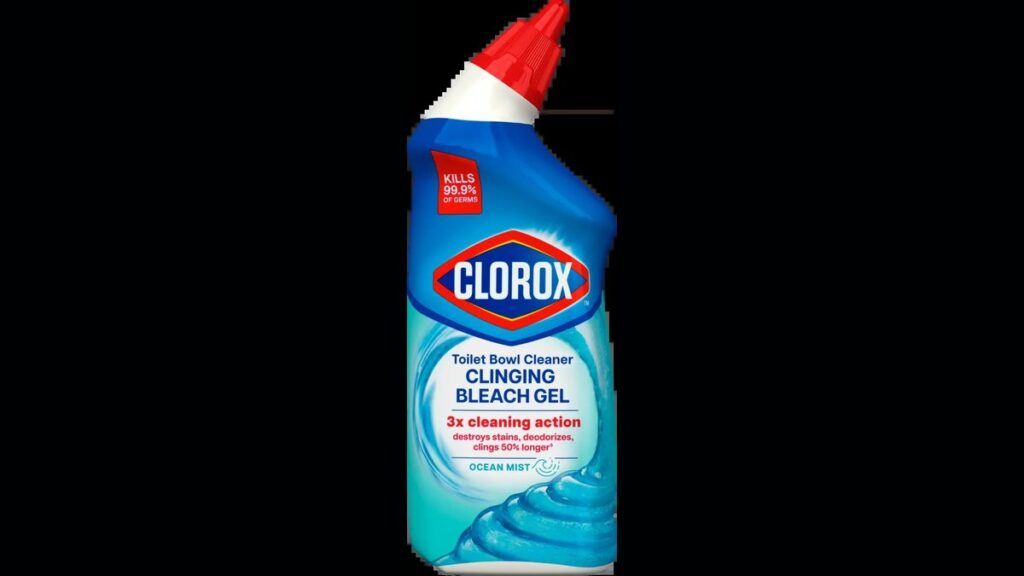
A toilet bowl cleaner with bleach sanitizes porcelain surfaces and lifts organic stains in about 15 minutes of contact time. This task costs very little per use, ranks as easy, and requires waterproof household gloves before you open any chemical bottle. If your toilet bowl has thick brown mineral crust, you need an acid product instead, as bleach won’t dissolve hard scale.
Table of Contents
Supplies for cleaning your toilet bowl
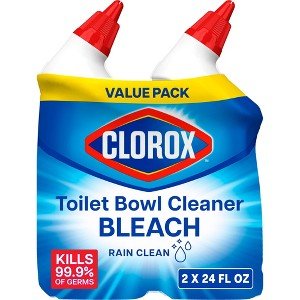
| Item | How much | Why it’s needed | A substitute |
|---|---|---|---|
| Bleach-based bowl cleaner | 4 fluid ounces per clean | Kills germs and whitens organic bowl discoloration | none — don’t swap this |
| Toilet brush | 1 stiff nylon brush | Scrubs under rims and agitates built-up bowl grime | none — don’t swap this |
| Rubber cleaning gloves | 1 pair durable gloves | Shields skin from harsh sodium hypochlorite burns | Heavy nitrile household gloves |
| Safety glasses | 1 pair clear glasses | Protects eyes from accidental chemical splashes during scrubbing | none — don’t swap this |
| Paper towels | 4 to 6 dry sheets | Wipes accidental drips from painted floors or seats | Clean cotton cleaning rag |
Before you start
- Turn on the bathroom ceiling exhaust fan and open the door fully to keep fresh air moving.
- Lift the plastic seat and lid completely so bleach doesn’t touch and discolor the hinges.
- Clear nearby floor bath mats, cotton towels, and fabric shower curtains away from the toilet base.
- Check the bowl interior for blue or green tank tablet residues; if present, don’t add bleach. Combining sodium hypochlorite with acids or ammonia creates toxic chloramine gas, a danger detailed in the CDC bleach safety guidelines.
- Stop and call a licensed plumber if your waste line backs up into sinks or tubs, as severe plumbing blocks need mechanical clearing rather than household liquids.
Step by step
- Put on your rubber gloves and safety glasses to guard against chemical splashes. You’ll know you’re ready when your hands and eyes are fully covered.
- Aim the angled bottle spout directly under the interior rim and squeeze out 4 fluid ounces of gel around the perimeter. A visible, thick ring of gel covers the ceramic rim completely.
- Spread the product across dry porcelain surfaces above the water line using your brush head. The entire inner surface shows an even, wet sheen.
- Leave the chemical untouched for 10 minutes to kill common bacteria and remove organic discoloration. A simple digital kitchen timer counts down the period safely.
- Scrub the entire bowl firmly with your nylon brush, focusing directly beneath the rim flushing holes. All visible dark spots and surface rings lift away into the soapy solution.
- Push the brush head down into the trapway opening and scrub the bottom drain throat for 30 seconds. The bristles dislodge hidden waste particles sitting in the lower bend.
- Flush the toilet while holding the brush head in the flowing water stream to rinse it clean. The swirling water washes away residual foam, leaving clear water in the trap.
- Close the bottle cap tightly until it clicks and store the container upright in a cool cabinet out of reach of children.
How to know it worked
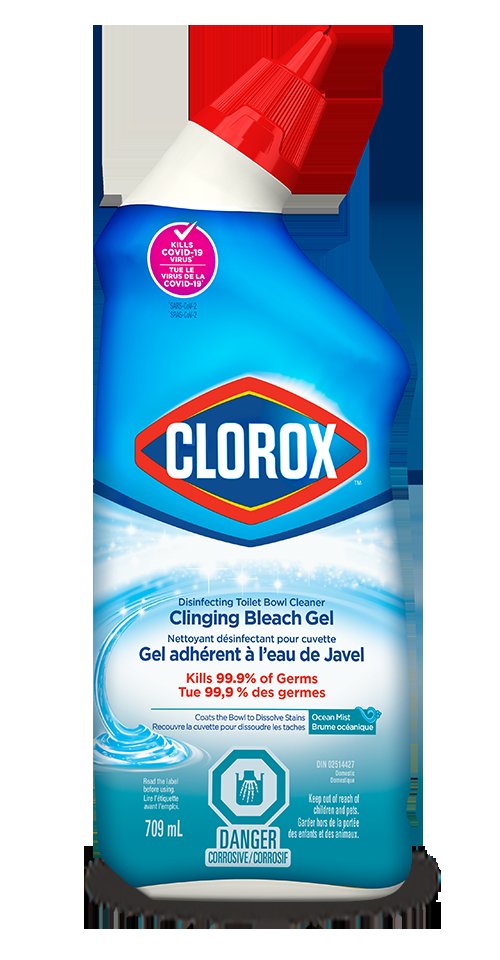
A successful treatment leaves the porcelain bright white, completely free of dark mold spots, with clear standing water at the bottom of the trap. You should hear the toilet tank refill normally and shut off completely within 60 seconds without running continuously.
If you still notice a dull yellow ring or rough brown crust at the water level line, it’s hard mineral scale rather than bacterial grime. Bleach whitens organic film, but it can’t dissolve calcium or magnesium deposits. If dark streaks remain along the water jets, run a second application for 10 minutes, scrubbing harder with the stiff brush bristles under the rim.
If something goes wrong
| What happened | Why | What to do |
|---|---|---|
| Eyes sting or water | Fumes accumulated in closed room | Leave room immediately and open windows |
| Liquid dripped on wood | Bleach gel splashed over rim | Wipe immediately with damp paper towel |
| Plastic seat turns yellow | Strong chemical touched porous plastic | Wipe immediately with cold plain water |
| Brown ring remains | Hard water scale resists bleach | Use dedicated acidic scale remover instead |
| Skin feels slippery | Bleach liquid contacted bare hands | Wash skin with water for 15 minutes |
How often to do this
Clean the bowl with bleach gel regularly for an average home of two to four people. If your home has only one resident, cleaning as part of your usual clean keeps the porcelain sanitary without excess chemical use.
Two main factors change this timing. Homes with well water high in iron should skip regular bleach cycles, as sodium hypochlorite oxidizes dissolved iron and leaves stubborn red stains behind.
Frequently asked questions
Can I leave bleach cleaner in the toilet overnight?
No, because extended exposure can weaken rubber flapper seals and evaporate irritating fumes into your living areas. Ten to fifteen minutes provides full antibacterial action, so letting it sit for hours adds no benefit while risking plumbing materials.
Why did my toilet bowl turn yellow after using bleach?
High iron levels in your water supply cause this discoloration. Bleach rapidly oxidizes clear, dissolved ferrous iron into reddish-yellow ferric iron particles that stick to the porcelain surface. You need an iron-removing cleaner instead.
How long does bleach cleaner take to sanitize a toilet?
About 10 minutes of direct, wet contact time kills standard household bacteria and viruses. Rinsing or flushing the product away before this period ends prevents the disinfectant from destroying all surface germs.
Is it safe to mix this with blue tank tablets?
No, you should never combine these products. Many colored tank pucks contain acids, surfactants, or ammonia derivatives that produce dangerous, lung-damaging chloramine or chlorine gas when mixed directly with sodium hypochlorite cleaners.
What happens if I splash cleaner on my clothes?
The sodium hypochlorite removes dye instantly, leaving permanent white spots on colored fabrics. Rinse the fabric under cold running tap water within seconds to stop the chemical reaction and prevent fiber holes.
Does it matter if I use hot water to rinse?
Yes, you should always use cold water.
Final Thoughts
Once you’ve finished, remember to keep the bathroom well-ventilated while the product works its magic. It’s a good idea to store your bottle in a cool, dry place away from children or pets. You’ll find that keeping up with this simple habit makes your weekly cleaning routine much faster and easier.
Related guides
- Shower Curtain Fabric Machine Washable Review: How to Clean
- Natural Air Fresheners That Keep Bathrooms Smelling Clean