A standard polyester or cotton-blend curtain cleans completely in a home washer using warm water at 105°F and a gentle cycle of 30 to 45 minutes. This shower curtain fabric machine washable review confirms that woven fabrics shed soap scum and mildew reliably, but they require a loose wash drum and prompt air drying to prevent permanent creasing. You’ll learn the exact wash settings, detergent amounts, fabric limits, and drying methods needed to keep your curtain fresh without ruining its water-repellent coating.
Table of Contents
Selecting machine washable shower curtain fabrics
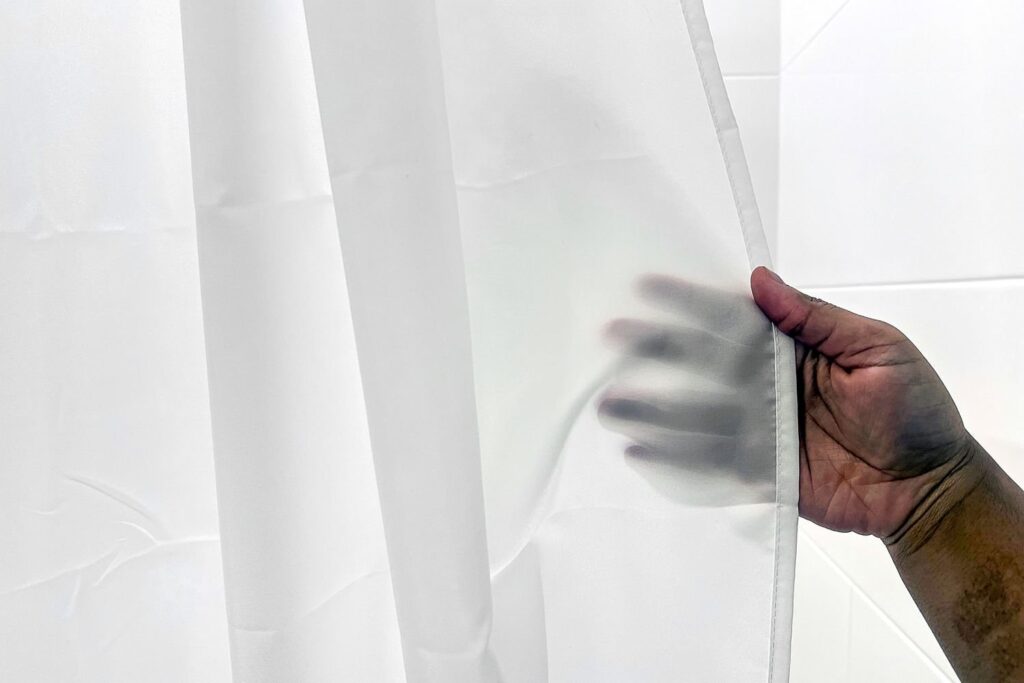
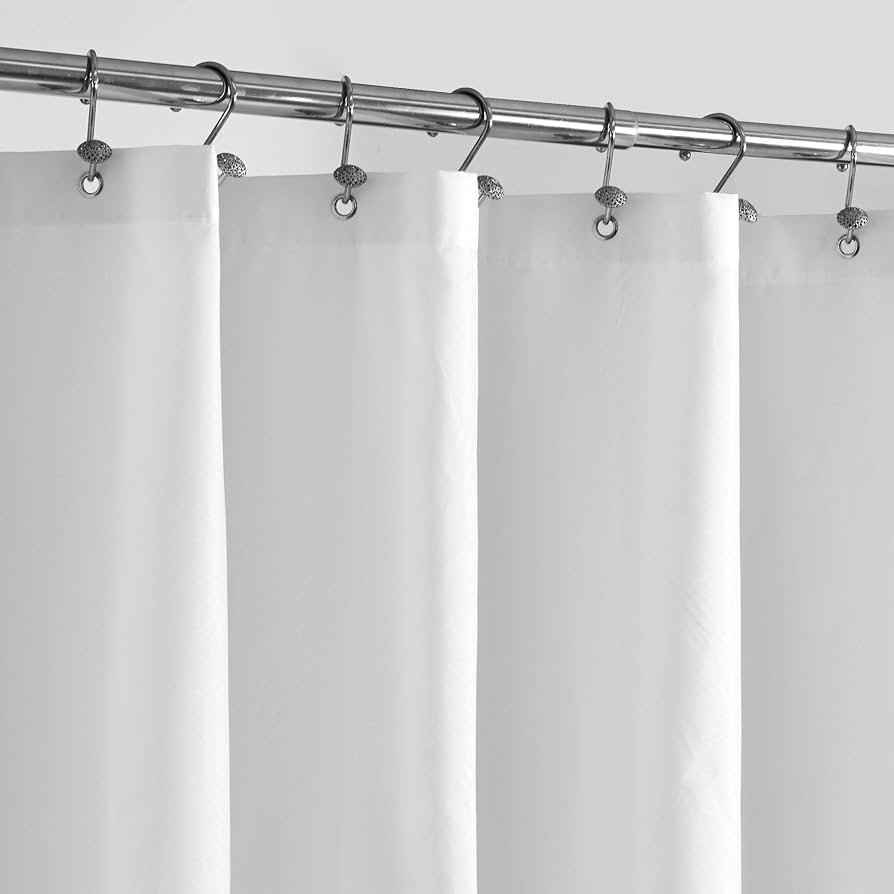
A machine-washable fabric shower curtain is a tightly woven panel, usually 100% polyester, textured nylon, or a polyester-cotton blend. It hangs outside or inside the bathtub to block water spray while allowing air circulation. People buy them to replace stiff, crinkly vinyl or PEVA sheets that tear at the rings and trap odors.
A common misconception is that a washable fabric curtain never needs a separate liner. While polyester repels light splashes because water droplets bead on its tight weave, it’s water-resistant rather than completely waterproof. Sustained, direct water streams will soak through the weave over several minutes. If you want decorative warmth and easy laundering, fabric works best; if you want an impenetrable barrier without a liner, plastic remains necessary. This trade-off means fabric brings better appearance and simple maintenance at the cost of needing either good bathroom drainage or a cheap inner liner.
The basic method
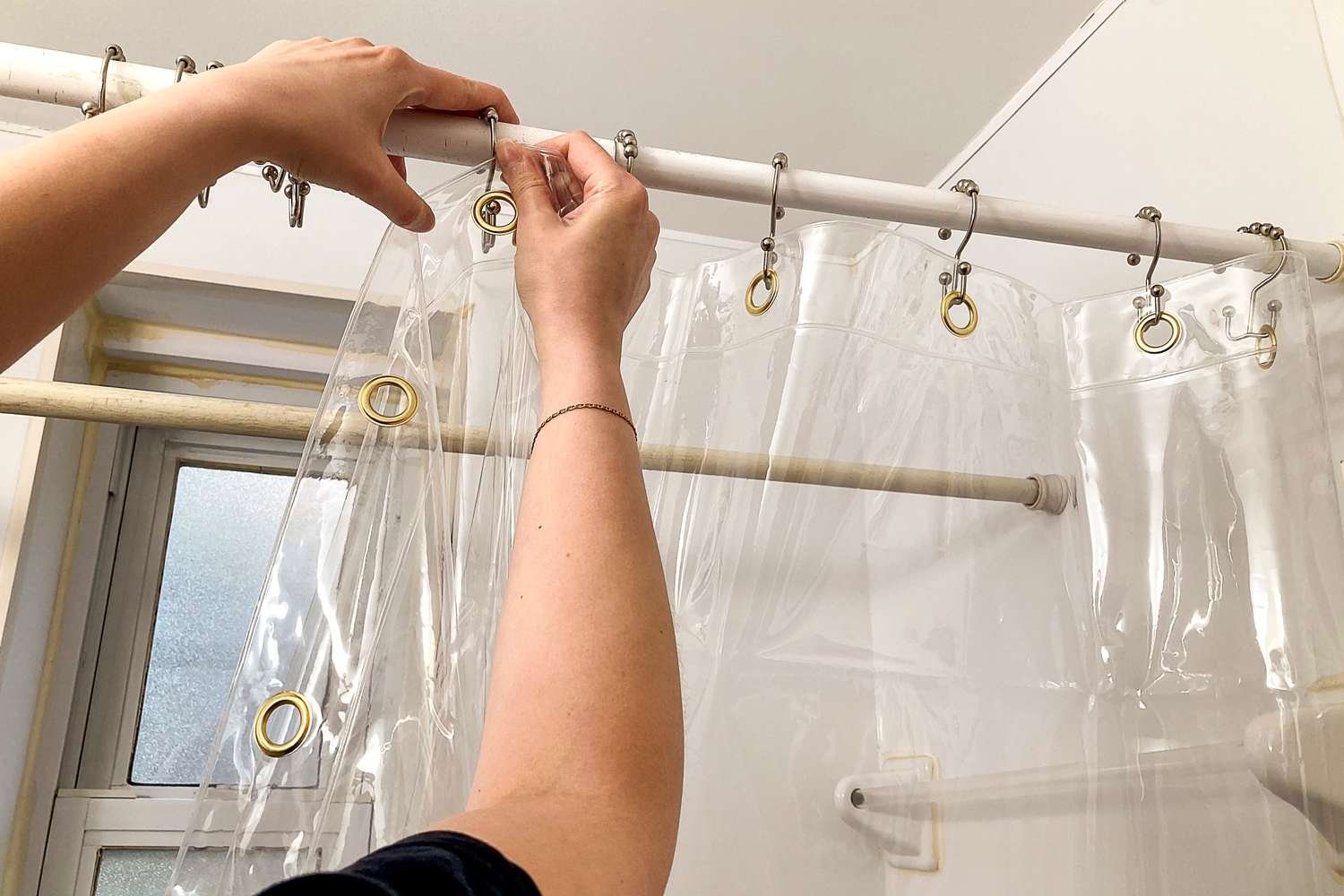
- Take down the curtain and remove every metal ring or plastic hook. Leaving rings attached can crack the washer drum or tear the curtain header.
- Shake the dry fabric into the bathtub or outside to knock loose dust, loose hair, and dry debris.
- Place the curtain into the washing machine drum alongside two clean, standard-sized white bath towels to provide scrubbing friction.
- Pour two tablespoons (about 1 fluid ounce) of standard liquid laundry detergent directly into the dispenser drawer.
- Add 1/2 cup (4 fluid ounces) of plain white distilled vinegar to the fabric softener slot to help dissolve mineral build-up and soap film.
- Set the machine to a gentle or delicate cycle with warm water (between 90°F and 105°F) and select a low spin speed.
- Remove the curtain immediately when the cycle ends—allowing about 35 minutes for modern front-load machines—and hang it directly back onto the shower rod to air dry.
The single judgement call comes down to load balance: if the curtain washes alone, it floats and balloons without getting scrubbed, but adding three or more heavy towels will crush the fabric and cause deep wrinkles. Two towels strike the balance. If you discover heavy black mold penetrating deep beneath the hem threads, cleaning chemicals can create noxious fumes in closed rooms; stop laundering and replace the curtain.
Key numbers and settings at a glance
Washing fabric shower curtains successfully depends on your machine type and the material’s specific weight.
| Situation | What to use | How long | What to watch for |
|---|---|---|---|
| Standard 100% polyester | Gentle cycle, warm water (105°F), 2 tbsp liquid soap | 35 to 45 minutes | Snagging on buttonholes |
| Heavy cotton or waffle weave | Normal cycle, warm water (105°F), 3 tbsp liquid soap | 45 to 55 minutes | Water weight straining the rod |
| Visible pink bacteria or grime | Gentle cycle, warm water, 1/2 cup oxygen bleach | 40 minutes | Color fading on dyed patterns |
| Light maintenance wash | Quick wash cycle, cold water (75°F), 1 tbsp soap | 20 to 25 minutes | Residual soap if rinse is too short |
| Hard water mineral crust | Delicate cycle, warm water, 1 cup distilled vinegar | 35 minutes | Vinegar odor before full air drying |
What separates good results from bad ones
Preparation and load balance
Experienced cleaners never toss a curtain into an empty drum alone. Polyester is light and floats on top of the wash water, which prevents the agitation paddles from rubbing the grime away. Adding two medium towels creates physical surface friction that scrubs the lower hem clean. You should also check the hem weights before starting: if your curtain has sewn-in lead or magnetic weights at the bottom corners, verify that the stitching is intact so the weights don’t break loose inside your appliance.
Water temperature and drying steps
A common mistake people make is running high heat in the dryer to sanitize the fabric. That high heat melts polyester fibers and curls the weighted bottom hem permanently, which ruins the curtain hang and costs the price of a full replacement. Keep the wash water under 105°F to protect the water-repellent finish. Never let the curtain sit wet in a heap after the cycle finishes. Hanging it immediately back on its rod lets gravity pull out the wash creases while the bathroom fan clears the moisture.
Common problems and quick fixes

| What you notice | What it usually means | What to do first |
|---|---|---|
| Deep wrinkles after washing | Spin speed was set too high | Hang wet and steam with a warm shower |
| Slimy orange or pink marks | Serratia marcescens bacterial growth | Wash with oxygen bleach and warm water |
| White stiff streaks on fabric | Detergent residue didn’t rinse out | Re-wash with warm water and no detergent |
| Water sprays straight through | Water-repellent finish has worn thin | Re-treat with wash-in waterproofing wash |
Care labels and laundering standards
Fabric care rules are standardized internationally to prevent material damage. The FTC Care Labeling Rule requires manufacturers to state whether an item can be machine washed, the safe water temperature, and proper drying instructions.
For home textiles, this rule ensures you have a reliable baseline directly from the weaver. If the tag says “machine wash cold, line dry,” using hot water strips the factory-applied water repellency in a single cycle. Remember that this varies by model—check the label before picking your wash settings. If a shower curtain lacks a permanent care tag entirely, treat it as delicate polyester: wash only on low heat and never apply an iron.
Keeping your curtain fresh
Once washed and re-hung, spread the curtain completely across the rod after every single shower. Leaving the fabric bunched against the wall traps moisture between the folds, creating the dark, humid environment that feeds mold. Run your bathroom exhaust fan for 20 minutes after bathing, or leave a window open two inches to lower the room humidity below 50%.
You’ll know a fresh wash is due when the bottom three inches of the curtain feel stiff to the touch or show a slight yellow tint from dried body wash. A quick rinse with your showerhead once a week keeps soap residue from settling into the lower seam threads.
When to use a different approach
This washing routine isn’t for delicate designer fabrics, such as silk, raw linen, or panels featuring intricate metallic embroidery, which require dry cleaning to prevent shrinking and tearing. It’s also the wrong choice for curtains showing extensive, long-term black mold that has rotted the hem threads; laundering won’t restore weakened fabric fibers.
If your shower stall lacks a raised curb to contain pooled water, switch to a weighted, magnetic vinyl liner instead of woven fabric. Fabric curtains simply lack the absolute water-tight seal needed for open or flat walk-in shower bases.
Frequently asked questions
Can you put a fabric shower curtain in the dryer?
No, you should avoid the dryer. High heat melts polyester and warps synthetic seams. If your care tag permits machine drying, use only the lowest air-fluff setting for under 15 minutes, or hang the damp curtain straight back on the shower rod to air dry naturally.
How often should you wash a fabric shower curtain?
Wash it regularly under normal home use. If your bathroom has poor ventilation, high humidity, or handles daily showers for three or more family members, run the curtain through the wash whenever you notice scum build-up.
Is it safe to use bleach on fabric shower curtains?
No, standard chlorine bleach weakens synthetic fibers and causes white polyester to turn a dull, permanent yellow. Use oxygen-based bleach powder or 1/2 cup of plain white vinegar instead to remove stains and sanitize the fabric without destroying the underlying weave.
Why does my shower curtain float inward during a shower?
Warm air from the shower rises toward the ceiling, creating lower air pressure inside the stall. This pressure drop pulls the colder, heavier air outside the tub inward, dragging lightweight fabric with it. To fix this, attach magnetic clip-on hem weights along the bottom seam.
What happens if you wash a curtain with the plastic rings attached?
The tumbling rings will scratch your washing machine drum, crack into sharp shards, and snag the curtain’s buttonholes. The heavy mechanical impact can also break front-loading washer glass doors. Always remove every clip, ring, and hook before placing the curtain into the wash drum.
Final Thoughts
Keeping your bathroom fresh doesn’t have to be a chore if you stay consistent. Check your curtain’s care tag today to see if it’s ready for a refresh. You’ll find that a quick spin once a month keeps everything looking bright, so don’t hesitate to toss it in whenever it looks dull.
Related guides
- Natural Air Fresheners That Keep Bathrooms Smelling Clean
- Self Cleaning Litter Box for Multiple Cats: In Depth Review