Solving mold on shower curtains how to stop it for good requires killing the existing spores with bleach or vinegar, washing away the soap scum, and keeping the curtain fully spread out to dry after every use. Mold grows because moisture stays trapped in bunched-up plastic folds.
Table of Contents
Why mold grows on shower curtains
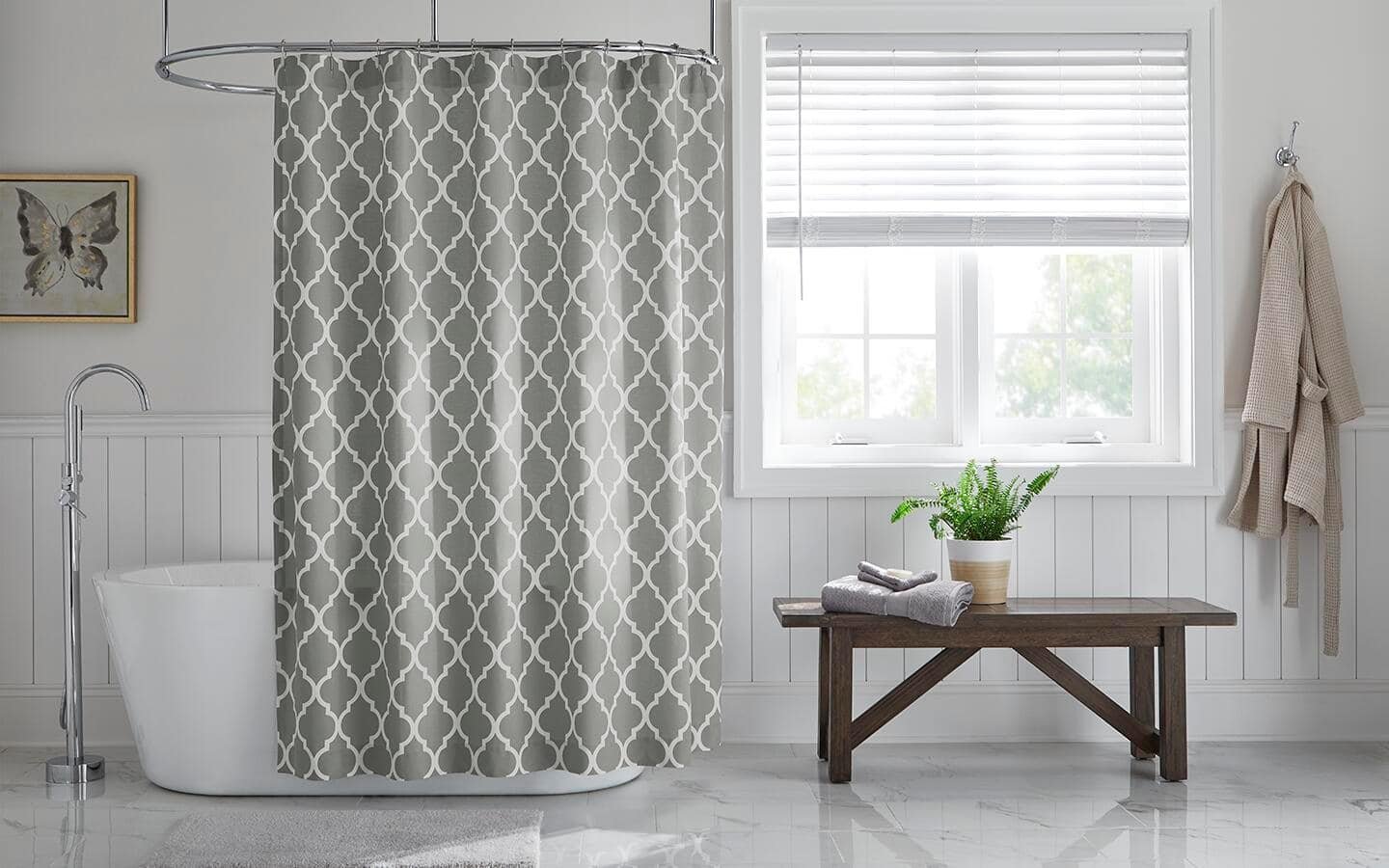
Mold needs moisture, organic matter, and still air to thrive. Bathrooms supply all three regularly. When you bathe, warm water creates high humidity that settles on cool plastic or fabric surfaces.
Body oils and soap scum stick to the lower edge of the curtain, giving fungal spores an ideal food source. If the bathroom lacks moving air, wet folds in a bunched curtain remain damp for hours, letting mold spread fast across the hem.
Wash plastic liners in the machine
This method is for washable vinyl, PEVA, or polyester liners showing light to medium mold spots. Take the curtain off the rings. Place it in your washing machine along with two white bath towels to scrub the plastic without tearing it.
Add half a cup of your regular laundry detergent and half a cup of baking soda directly to the drum. Run the machine on a gentle cycle using warm water. Never put plastic liners into a heated tumble dryer because the material melts easily. Hang the clean liner back on the shower rod right away, spreading it out completely to air-dry. You’ll know it worked when the dark spots and slippery film wash off completely.
Spray fabric curtains with diluted bleach
This fix is for heavy black mold on white polyester or white cotton curtains. This isn’t for colored fabrics or non-bleach-safe materials, which will lose their color permanently.
Mix one-quarter cup of chlorine bleach with one gallon of cool water in a bucket or spray bottle. Always open a window and turn on the exhaust fan to avoid breathing harsh chemical fumes. Spray the mildewed spots generously and let the bleach solution sit for ten minutes. Rinse thoroughly with warm water from the showerhead. The spots should disappear within minutes as the chemical oxidizes the fungus.
Soak stubborn stains in oxygen bleach
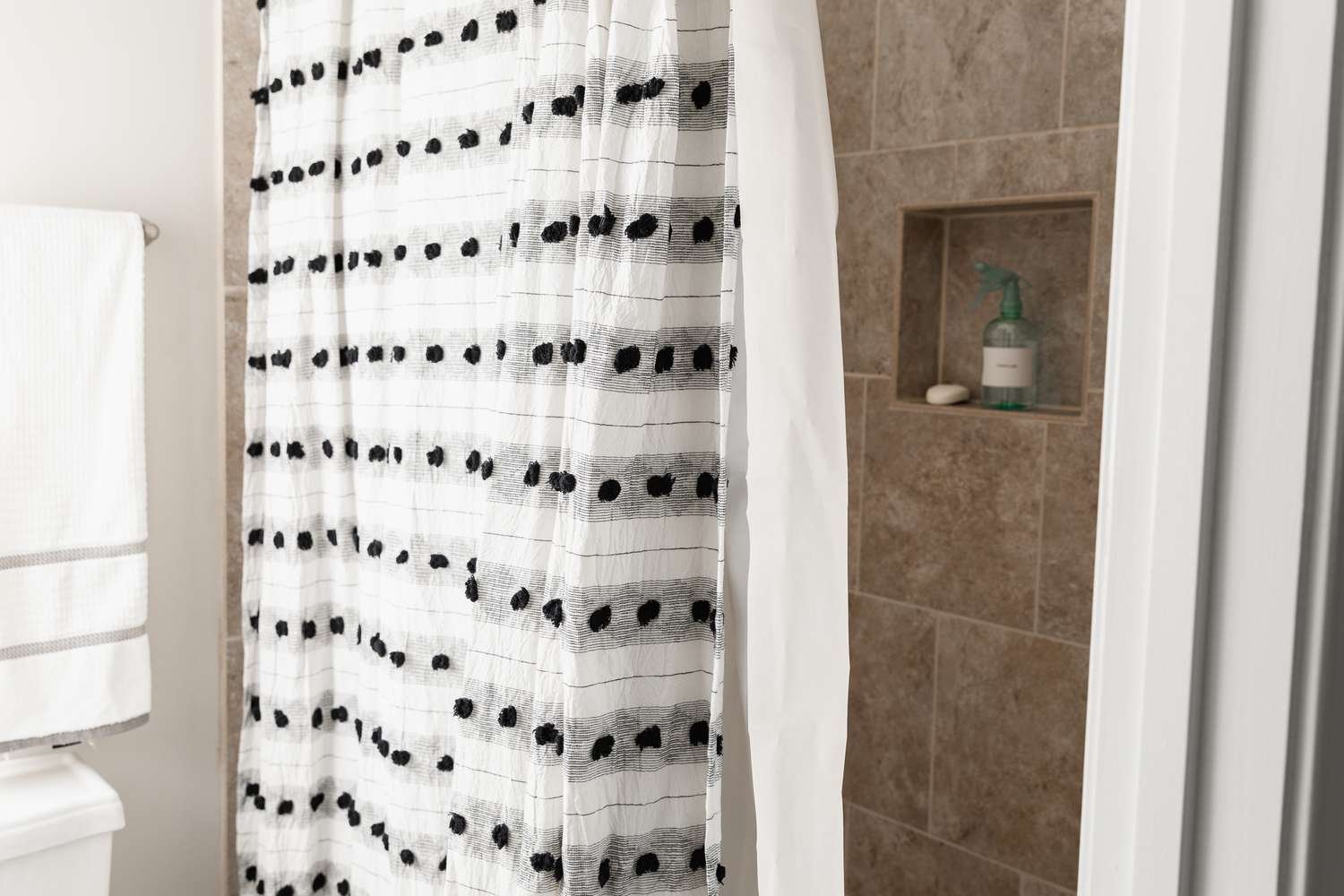
This treatment works best for colored fabric curtains or thick vinyl with deeply embedded black stains that survived regular washing. If your liner is an inexpensive, paper-thin plastic sheet, replace it instead of spending time and chemicals on it.
Fill a clean bathtub or large utility bucket with warm water. Add one scoop of oxygen bleach powder according to the package directions, usually about two tablespoons per gallon of water. Submerge the curtain fully for at least one hour, or overnight for severe stains. This lifts deep stains without destroying colored patterns. Rinse the curtain with clear water and hang it to dry. If hard scrubbing can’t lift the embedded black spots, the mold has permanently stained the plastic fibers and the liner must be thrown away.
What not to do
- Don’t leave the curtain pushed to one side after showering, because wet folds trap water and grow mold within 24 hours.
- Don’t mix chlorine bleach and vinegar together, because combining them releases toxic chlorine gas.
- Don’t scrub vinyl curtains with abrasive steel wool or harsh scouring pads, which scratch the surface and create rough grooves where mold hides.
- Don’t use hot water cycles or heat drying on PEVA liners, because extreme heat deforms the plastic and voids the material’s waterproof coating.
How to stop it happening again
Changing your daily shower habits stops fungus from returning to clean curtain hems.
| If you’re doing this | Do this instead | Why |
|---|---|---|
| Leaving the curtain pushed to the wall | Pull the curtain completely shut across the rod | Lets air reach the folds so the fabric dries quickly |
| Letting the liner sit inside the tub water | Shake excess water off and hang it outside the basin edge | Speeds up drying time by removing standing puddles |
| Turning the fan off immediately | Run the exhaust fan for twenty minutes after bathing | Clears humid air that feeds active mold spores |
| Letting the hem drag on the tub floor | Trim excess length with scissors to sit one inch above the floor | Stops the fabric from soaking in leftover bath water |
Frequently asked questions

Can vinegar kill mold on shower curtains?
Yes. Undiluted white distilled vinegar kills most common household mold species. Spray it directly onto the spots, wait sixty minutes, and scrub with a sponge. The trade-off is the strong sour smell, which takes a few hours to clear out of the room completely.
Why does mold keep coming back on my curtain?
Mold returns because the curtain stays wet for too long after each shower. Even clean surfaces grow spores if moisture lingers for more than a day. If you smell damp air, run your exhaust fan longer; if the fan is weak, open a window after every shower.
How long does a plastic shower liner last?
A quality PEVA liner lasts between six and twelve months with regular cleaning. A common mistake is scrubbing cheap vinyl liners with abrasive brushes, which tears the plastic and ruins the seam. This varies by model — check the label to see if your liner is machine-washable.
Is it safe to wash a shower curtain with clothes?
No. Never wash a moldy curtain with your everyday clothing. The trapped body oils, bacteria, and mold spores can transfer to your garments. Only wash shower curtains alongside old towels, which help scrub the curtain’s surface without causing damage to valuable fabrics.
What happens if you inhale shower curtain mold?
Inhaling mold spores can trigger coughing, sneezing, skin irritation, or allergic reactions in sensitive individuals. People with asthma or chronic respiratory conditions face higher risks of breathing trouble. If mold covers a wide area across the walls or ceiling, hire a professional remediation specialist instead of cleaning it yourself.
Final Thoughts
Changing your habits makes a huge difference, but you shouldn’t have to battle stubborn stains forever. If your liner still looks dingy after a deep clean, it’s likely time to replace it with a fresh one. You’ll find that keeping your bathroom well-ventilated is the simplest way to keep things sparkling clean.