Choosing mold-resistant paint requires understanding that it prevents future spores from growing on clean walls, but it won’t kill active growth hiding beneath the film. Applying two coats over a dry, treated surface protects humid rooms like bathrooms and basements for years. You’ll learn how antimicrobial additives function, proper wall preparation steps, moisture limits, and when you need serious remediation instead of a simple paint job.
Table of Contents
How mold resistant paint works
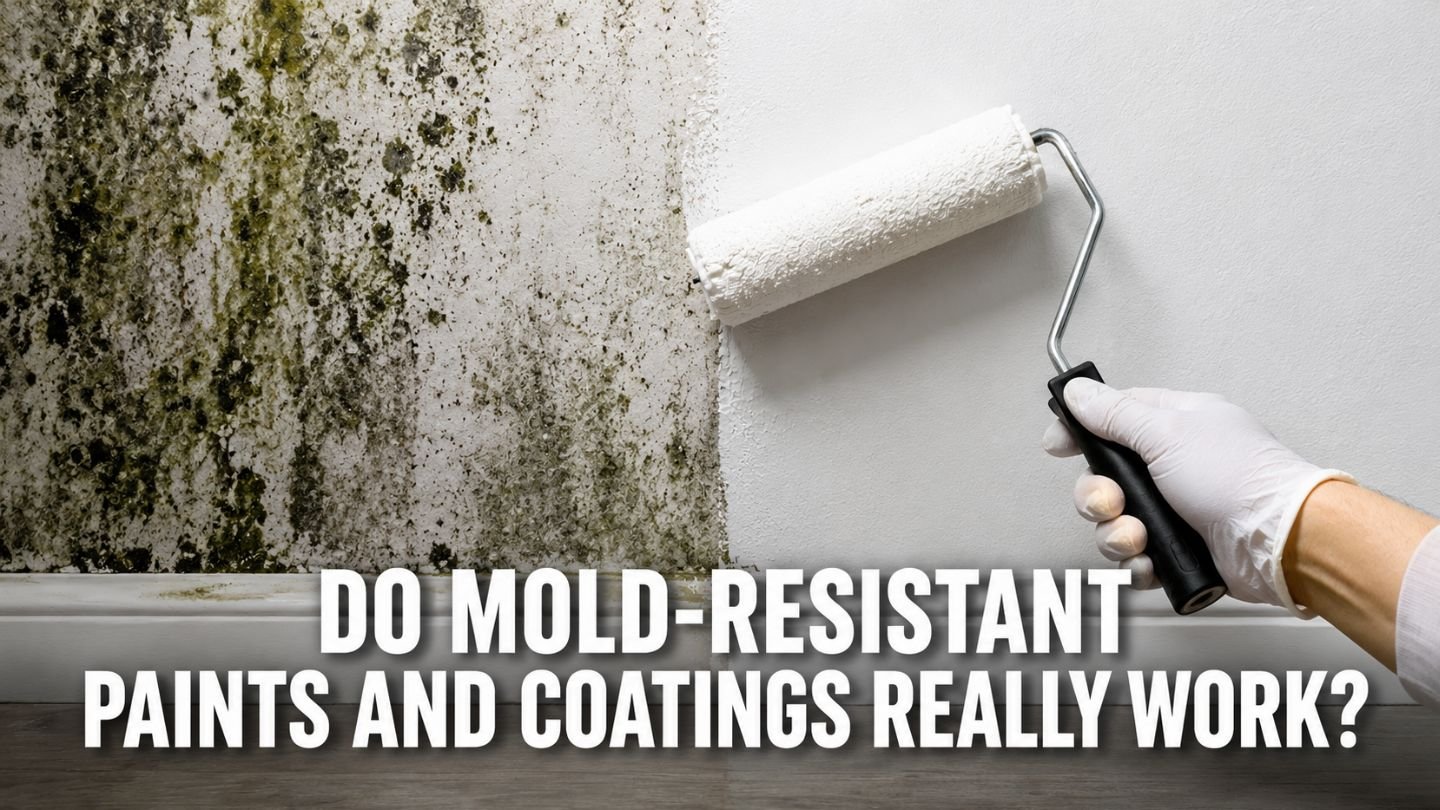
Anti-mildew wall coating is standard latex or oil paint blended with registered chemical biocides, also called fungicides, that stop new mold spores from feeding on the paint film. Property owners use it in humid spaces like bathrooms, basements, and laundry rooms. The biggest misconception is that this paint kills living mold. It doesn’t. If you paint over fuzzy black patches, fungi will rot the drywall underneath and burst right back through the fresh film.
Biocides work strictly on the surface by disrupting spore cellular division so new colonies can’t form on top of your walls. Who this isn’t for: anyone facing structural rot, unaddressed plumbing leaks, or water dripping down drywall sheets. It won’t hold back hydrostatic water pressure pushing through a porous foundation, and it won’t fix poor room ventilation on its own.
The basic method
- Put on an N95 respirator, safety goggles, and nitrile gloves before starting surface work.
- Clean the surface using a mild detergent and water, or a specialized mold-removal solution, as bleach doesn’t effectively kill mold on porous materials.
- Scrub every trace of visible surface fungal staining using a stiff nylon bristle brush.
- Wipe the wall clean using a sponge soaked in clean water, then let the space dry for at least 24 hours until moisture levels drop below 12% on a pinless moisture meter.
- Apply one coat of mold-blocking stain primer using a 3/8-inch nap roller, spreading at roughly 350 to 400 square feet per gallon.
- Let the primer cure for at least two hours (or four hours if relative humidity stays above 60%).
- Roll on the first coat of mold-resistant paint, wait four hours, then apply your second coat.
Your main judgement call is checking the wall’s dryness before opening the paint can. If the drywall feels cold or damp, you must wait; trapping trapped moisture under fresh primer guarantees bubbling and peeling within weeks. If fungal growth covers an area larger than 10 square feet, safety guidance shifts away from a DIY job—hire an EPA-certified environmental remediation contractor to handle the removal safely.
Key numbers and settings at a glance
Here are the operational targets and drying conditions you need to track across typical interior spaces.
| Situation | What to use | How long | What to watch for |
|---|---|---|---|
| Windowless bathroom | Satin or semi-gloss anti-mildew acrylic | 4 hours between coats | Water beads on wet paint |
| Unfinished basement concrete | Masonry waterproofer with fungicide | 12 hours between coats | White efflorescence salt deposits |
| Laundry utility closet | Eggshell antimicrobial latex | 2 to 4 hours dry time | High humidity from dryer vents |
| Kitchen ceiling above stove | Semi-gloss moisture-shield paint | 4 hours between coats | Grease film blocking adhesion |
| Drywall repair patch | Stain-blocking fungicidal primer | 2 hours before topcoat | Joint compound drawing in moisture |
What separates good results from bad ones
Surface prep and moisture limits
Experienced painters spend four-fifths of their total project time cleaning and drying surfaces. They never slap primer over dusty or greasy walls because biocides must bind directly to sound materials. They also test relative humidity: if room air exceeds 70%, they set up an electric dehumidifier and leave the room alone until moisture drops.
Layering order and dry times
A common mistake people actually make is rushing the second coat before the first one cures fully. That mistake costs them the entire project when the uncured lower layer stays soft, wrinkles up, and peels away in sheets, forcing them to scrape down to bare board and buy fresh cans. Allow full cure times according to the can label, and avoid steaming up the bathroom for at least 48 hours after your final stroke.
Common problems and quick fixes
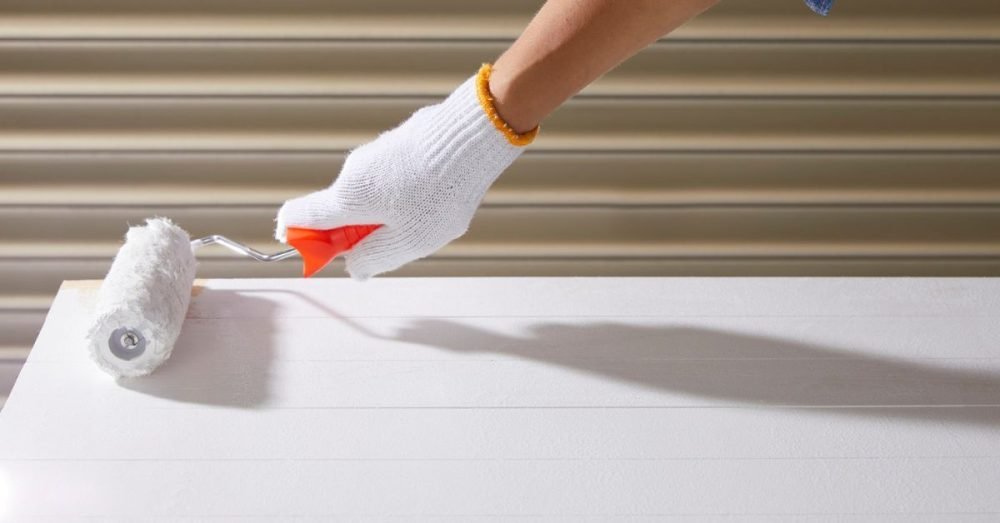
Use this troubleshooting guide when your coating behaves unexpectedly during or after application.
| What you notice | What it usually means | What to do first |
|---|---|---|
| Brown or yellow bleed-through | Water stains dissolving through latex | Spot-prime with oil-based stain blocker |
| Blistering paint bubbles | Moisture trapped inside drywall board | Cut blister, scrape loose edges, dry space |
| Black dots reappearing in seams | Active leak behind the wallboard | Cut open drywall and inspect plumbing |
| Paint peels off in rubbery strips | Surface had grease or soap scum | Sand smooth, clean with TSP substitute, repaint |
Safe mold handling standards
When tackling interior contamination, clear standards define what a homeowner can safely treat. According to the EPA mold cleanup guidelines, areas covering less than roughly 10 square feet (about a 3-foot by 3-foot patch) can be cleaned by building occupants without specialized containment equipment. If the damaged area exceeds that 10-square-foot threshold, or if water damage originates from sewage backup or contaminated floodwater, don’t attempt to scrub or paint the wall yourself.
Work with a licensed indoor environmental professional who owns HEPA-filtered air scrubbers and containment barriers. Attempting to sand or scrape massive fungal colonies without negative air pressure spreads millions of airborne spores throughout your home’s central HVAC ducts, creating severe respiratory hazards for your household.
Protecting your finish over time
Keep your painted finish working by controlling daily indoor humidity levels. Run your bathroom exhaust fan during every shower and keep it running for 20 minutes afterward. If your bathroom lacks a mechanical exhaust vent, crack a window two inches or place a portable room dehumidifier on the counter.
Wipe down excess condensation droplets from wall corners regularly using a dry microfiber cloth. Avoid cleaning your new coating with abrasive scouring pads or harsh alkaline cleaners, which scrub away the microscopic biocide boundary layer. Instead, wipe marks using mild dish soap diluted in warm water whenever soap scum appears.
When to use a different approach
Mold-resistant paint is the wrong choice if your foundation wall actively seeps groundwater during heavy rainstorms. That situation requires exterior grading, trenching, or interior perimeter French drains, not decorative interior paint.
It’s also useless on rotted wood window sills or crumbly, water-logged drywall. Soft gypsum core can’t hold fasteners or paint films; cut those ruined panels out and screw in fresh moisture-resistant backing boards instead. If you only have minor surface dirt in a dry living room, buy standard wall paint—the trade-off is that anti-mildew formulas cost significantly more per gallon than ordinary interior emulsions, wasting money where dampness never occurs.
Frequently asked questions
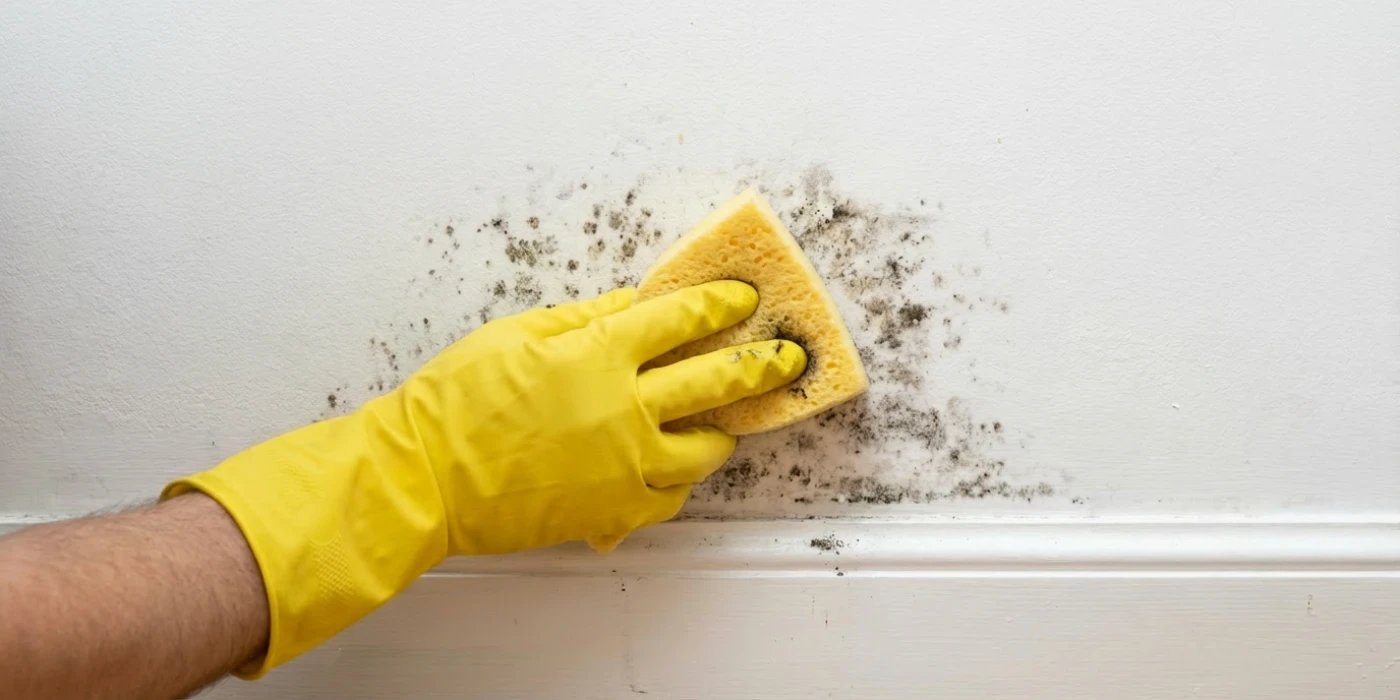
Can you paint directly over active black mold?
No, you cannot. Painting directly over live growth seals the organisms inside the wall, where they will consume paper backing, ruin gypsum, and push through the new film within weeks. Kill and remove surface fungi with appropriate cleaners before priming.
How long does mold resistant paint stay effective?
It usually protects surfaces for three to five years under normal bathroom conditions. High heat, heavy condensation, and abrasive chemical cleanings break down biocides faster. This varies by manufacturer and room use—check the label for specific product longevity.
Is mold resistant paint safe for bedroom walls?
Yes, standard indoor formulations are safe once fully dried. Most brands use low-VOC latex bases that emit minimal odor during curing. Keep the bedroom ventilated with an open window during application and wait 24 hours before sleeping inside the room.
What happens if you skip primer before painting?
Skipping primer leads to poor adhesion, uneven color sheen, and premature peeling. Bare drywall absorbs liquid biocides too quickly, leaving the protective elements starved on the surface. Apply an oil or stain-blocking primer first to establish a solid moisture barrier.
Is mold resistant paint completely waterproof?
No, it’s moisture-resistant, not waterproof. It repels humid air, steam, and light water splashes, but standing water or steady pipe leaks will soak straight through the film. Fix active plumbing issues before painting any surface.
Final Thoughts
Investing in these specialized coatings is a smart move for your home’s long-term health. Once you’ve scrubbed your surfaces and addressed any leaks, you’ll be ready to start painting. Don’t wait for dark spots to return; grab a sample tin today and see how these finishes look in your space.