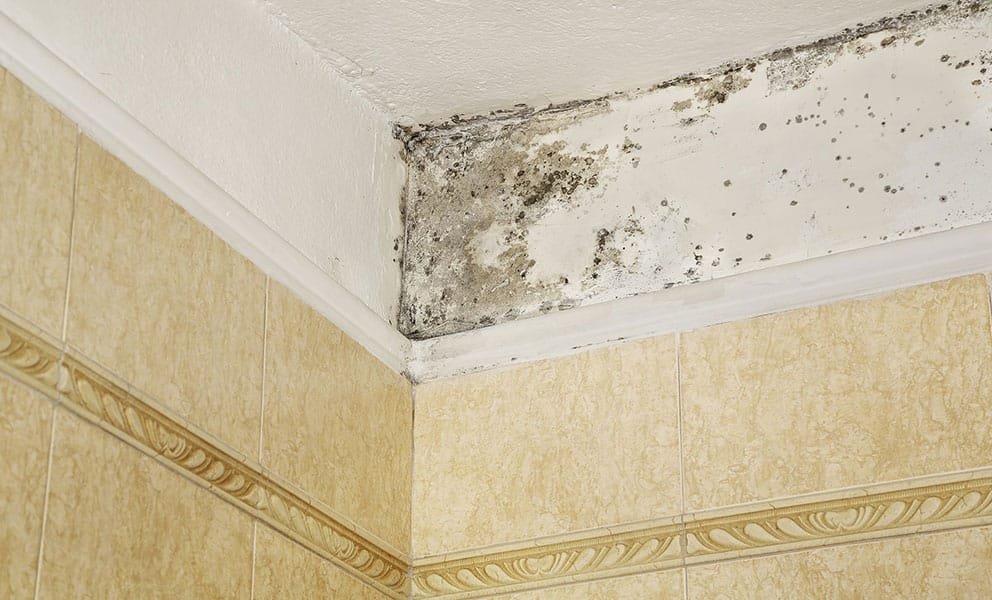
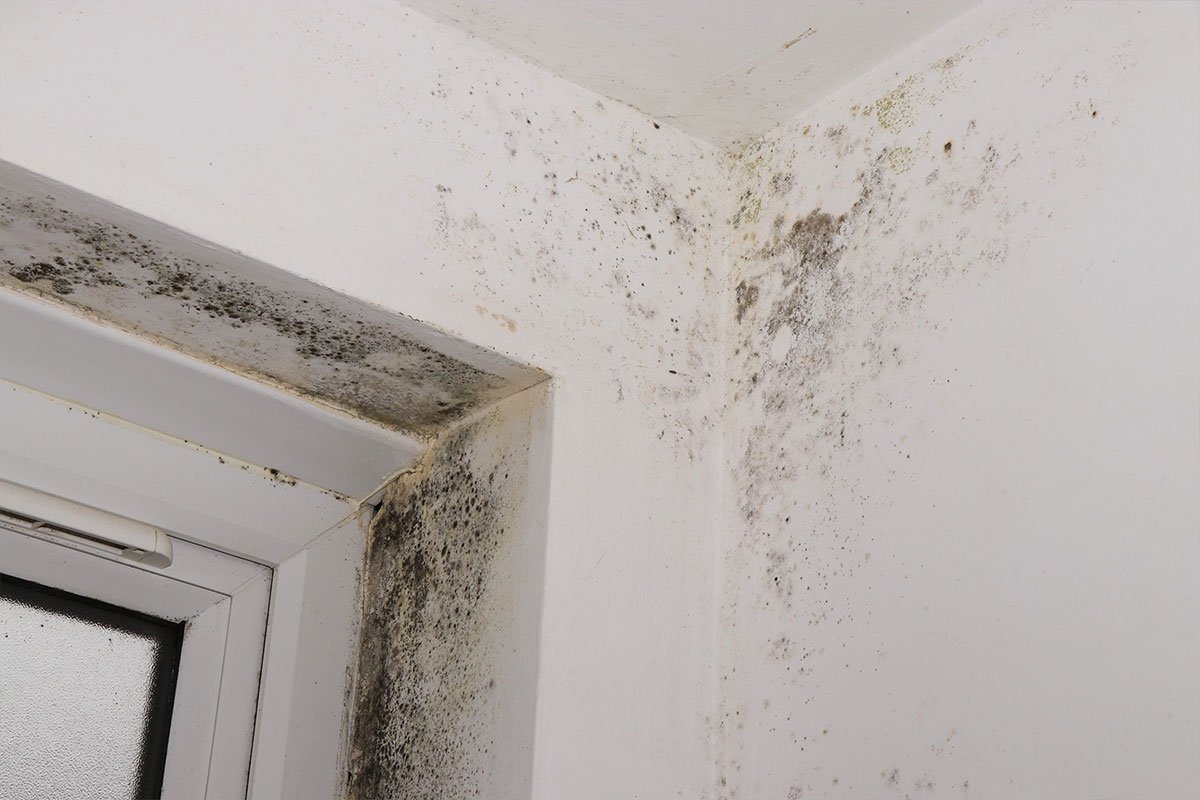
Running the exhaust fan during your shower and for 20 minutes after is how to stop condensation on bathroom walls by removing moisture before it hits cold drywall. Most people flip the fan off the second they step out of the stall. That traps warm, wet air in the room, which rots wall paint and creates black mold within weeks. Leaving the exhaust fan running clears the moisture before your paint absorbs it.
Table of Contents
The wrong way and the right way
| What most people do | What to do instead | Why it matters |
|---|---|---|
| Shut fan off immediately | Run fan for 20 minutes post-shower | Trapped steam condenses on cold paint |
| Open door right after shower | Keep door shut with fan on | Wet air escapes into bedroom drywall |
| Paint over mildew spots | Wash with detergent, let dry completely | Paint peels off damp, moldy surfaces |
| Shower with cold walls | Warm the room before turning water | Cold wall surfaces pull moisture faster |
| Ignore low-flow fan noise | Vacuum dust off exhaust grille monthly | Clogged covers cut airflow by half |
| Use standard flat latex paint | Apply satin or semi-gloss finish paint | Flat paint drinks moisture directly in |
Run the exhaust fan before and after bathing
Turn the vent fan on 2 minutes before the shower starts and let it run for 20 minutes after you turn the water off. Steam begins the moment hot water strikes the tub basin. Starting the vent early establishes steady airflow out of the room before humidity builds up.
Most people flip the switch only when the mirror clouds over, but that’s too late. The drywall is already soaking up moisture by then. According to the EPA guide to mold and moisture, indoor relative humidity needs to stay below 60 percent to prevent mold growth, with 30 to 50 percent being the ideal target. If your bathroom stays foggy for 30 minutes, your fan doesn’t move enough air for the room size. This setup isn’t for windowless half-baths with no shower, since hand washing doesn’t generate enough steam to soak walls. Check the small metal label behind your fan grille to find its CFM rating. If the room is 70 square feet, you need at least 70 CFM of airflow.
Warm the bathroom walls before running hot water
Raise the room temperature by 2 or 3 degrees with your home thermostat or a small wall heater before turning on the tap. Condensation happens when warm, wet air touches a surface that’s colder than the air’s dew point. Cold winter drywall pulls moisture out of the air instantly, turning vapor into heavy water droplets.
People often leave bathroom heating vents closed to save energy, but cold wall surfaces ruin paint. If the wall feels cold to your bare palm, turn on the heat for 10 minutes prior to bathing; if the wall already feels room temperature, skip this step. The trade-off is a slight increase in winter heating fuel use to protect your wallboard from rot. One mistake people make is cracking a window during freezing weather while showering. That cools the drywall down fast, causing more water beads to form across the ceiling, not fewer.
Seal the wall surface with semi-gloss paint

Coat bathroom drywall with a moisture-resistant primer followed by two coats of semi-gloss or satin paint. Matte and flat finishes are porous. They drink water droplets into the plasterboard underneath, which causes wallpaper seams to curl and drywall screws to rust.
A glossy finish creates a tight, water-repellent shell that forces water to stay on the outside where airflow can dry it. This varies by model — check the label on the paint can to ensure it contains a mildewcide additive. Putting shiny paint over textured walls will show every drywall bump and tape joint, but it stops deep water intrusion completely. Before painting, wash off existing grime and let the room dry for 24 hours. Painting over a damp wall traps water underneath, costing you hundreds of dollars in drywall repairs when the paint bubbles and falls off.
Advice you can ignore
- Putting bowls of baking soda on the counter doesn’t absorb steam, because a cup of dry powder can’t pull gallons of water vapor from the air.
- Cracking the bathroom window during winter showers only drops wall surface temperatures, which actually makes condensation pool faster.
- Leaving the bathroom door wide open during a hot shower spares the bathroom, but it dumps heavy humidity directly into your bedroom closets where clothes mold.
- Wiping walls with fabric softener sheets leaves a waxy film that attracts dust and gives mildew spores an organic layer to feed on.
The right way, start to finish
- Vacuum the exhaust fan grille using a brush attachment to remove lint, which restores full factory airflow in 2 minutes.
- Turn on the bathroom heater 10 minutes early if walls feel cold to your bare palm, raising the surface temperature above the dew point.
- Switch on the mechanical exhaust fan 2 minutes before running water to establish outward air movement through the duct.
- Keep the bathroom door closed with a half-inch gap underneath to allow makeup air to enter while trapping steam inside the room.
- Take your shower using warm water rather than scalding hot water to cut total moisture output by roughly half.
- Squeegee the shower tiles and glass walls for 60 seconds immediately after bathing to send standing water straight down the drain.
- Leave the exhaust fan running for exactly 20 minutes after turning off the shower faucet, using a countdown timer switch.
- Check your mirror after 15 minutes; if it remains fogged up, wipe the remaining damp spots off the drywall with a dry towel.
Frequently asked questions

Can cold bathroom walls cause mold?
Yes, because cold wall surfaces cool down warm water vapor until it liquefies into standing droplets. Mold spores need moisture on a surface for 24 to 48 hours to begin growing. Once drywall paper absorbs this liquid, mold spreads behind the paint.
Why do my walls sweat even with the fan on?
Your exhaust fan is either clogged with lint, vented incorrectly, or lacks enough CFM power for your square footage. A simple check is holding one square of toilet paper against the grille while it runs. If the suction doesn’t hold the paper tight, clean the unit.
How long does bathroom condensation take to dry naturally?
About 20 minutes if the room has an active exhaust fan or open window during mild weather. Without mechanical ventilation or airflow, moisture lingers on cold walls for over an hour. That extended wet period softens drywall and breaks down latex paint binders.
Is it safe to wipe condensation off painted walls with a towel?
Yes, removing water pools by hand prevents paint blistering and stops mineral stains from forming on the finish. Use a clean, dry microfiber cloth right after your shower. Don’t scrub hard, or you’ll scuff the soft latex paint film while it’s damp.
What happens if you ignore moisture buildup on drywall?
The drywall softens, paint bubbles, and black mold colonies colonize the gypsum core behind your baseboards. Fixing neglected moisture damage requires tearing out affected wall sections, replacing insulation, and hanging fresh drywall. That costs far more than maintaining a working exhaust fan.
Does a dehumidifier help with wet bathroom walls?
Yes, a small compressor dehumidifier pulls water out of the air quickly in bathrooms without an exterior-vented fan. Set the unit to keep relative humidity below 50 percent. Empty the collection bucket daily so the internal float switch doesn’t shut the machine off.
Final Thoughts
If you’re still seeing water droplets after taking these steps, check your fan’s vent to make sure it isn’t clogged with dust. A clean, powerful fan won’t just protect your home; it’ll keep your bathroom smelling fresh and feeling dry. You’ll be glad you took the time to keep things clear.
Related guides