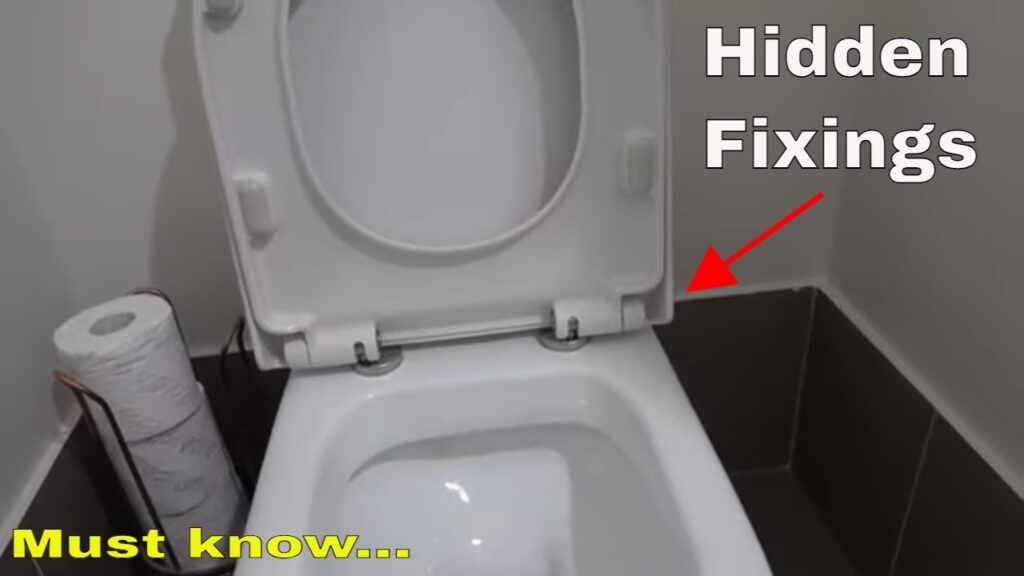
Replacing toilet seats with hidden bolts takes about 20 minutes, costs under $50 for a standard replacement kit, and is an easy project for any homeowner. You only need a screwdriver, an adjustable wrench, and a rag to finish it. Top-fixing pans hide the nuts completely inside the porcelain base, so you don’t have to reach underneath the bowl.
Table of Contents
Tools to replace your toilet seat
| Item | How much | Why it’s needed | A substitute |
|---|---|---|---|
| Replacement seat kit | 1 standard set | Fits the bowl shape | none — don’t swap this |
| Screwdriver | 1 medium size | Turns mounting plate bolts | Multi-bit screwdriver handle |
| Masking tape | 1 small roll | Marks hinge position lines | Painter tape strip |
| Penetrating oil | 2 to 3 drops | Frees rusted metal hardware | none — don’t swap this |
| Cleaning rag | 1 dry cloth | Wipes grime under caps | Paper towel sheet |
| Tape measure | 1 measuring tool | Checks bolt hole spread | Small standard ruler |
Before you start
- Close the toilet lid completely so hardware doesn’t drop down into the drain hole.
- Wipe down the porcelain around the hinges with a household disinfectant spray.
- Measure the distance between your mounting holes, which should follow standard plumbing dimensions found on the ANSI Webstore under standard A112.19.2 for ceramic plumbing fixtures.
- If your toilet base is glued shut to the floor with no top access and rusted bottom threads, call a licensed plumber instead of forcing brittle porcelain.
Step by step
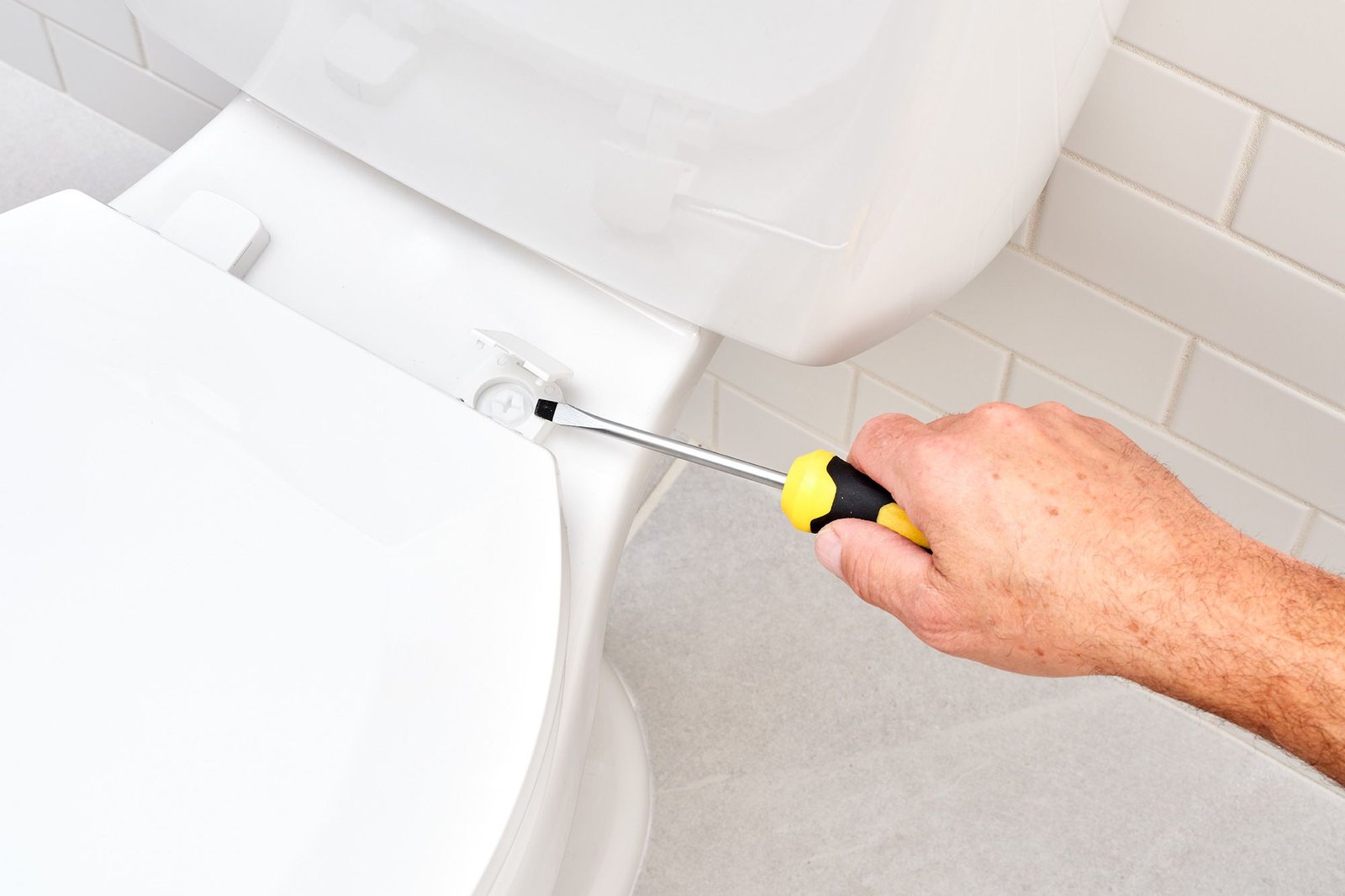
- Pry open the plastic hinge cover caps with a flathead screwdriver by gently popping the rear edge upward until they unclip.
- Press the quick-release buttons on the hinge base with your thumbs to lift the seat straight off its vertical posts.
- Loosen both exposed mounting screws by turning your screwdriver counterclockwise 5 to 6 full turns until the brackets slide freely.
- Pull the long metal screws and rubber expanding plugs straight up out of the bowl’s twin anchor holes.
- Wipe the exposed ceramic surface using a damp rag to clear mineral deposits, then dry the area with a towel.
- Push the new rubber expansion grommets from your replacement kit fully down into each bowl hole until their tops sit flush.
- Place the metal hinge base plates over the rubber anchors, inserting the new bolts loosely with 3 clockwise turns.
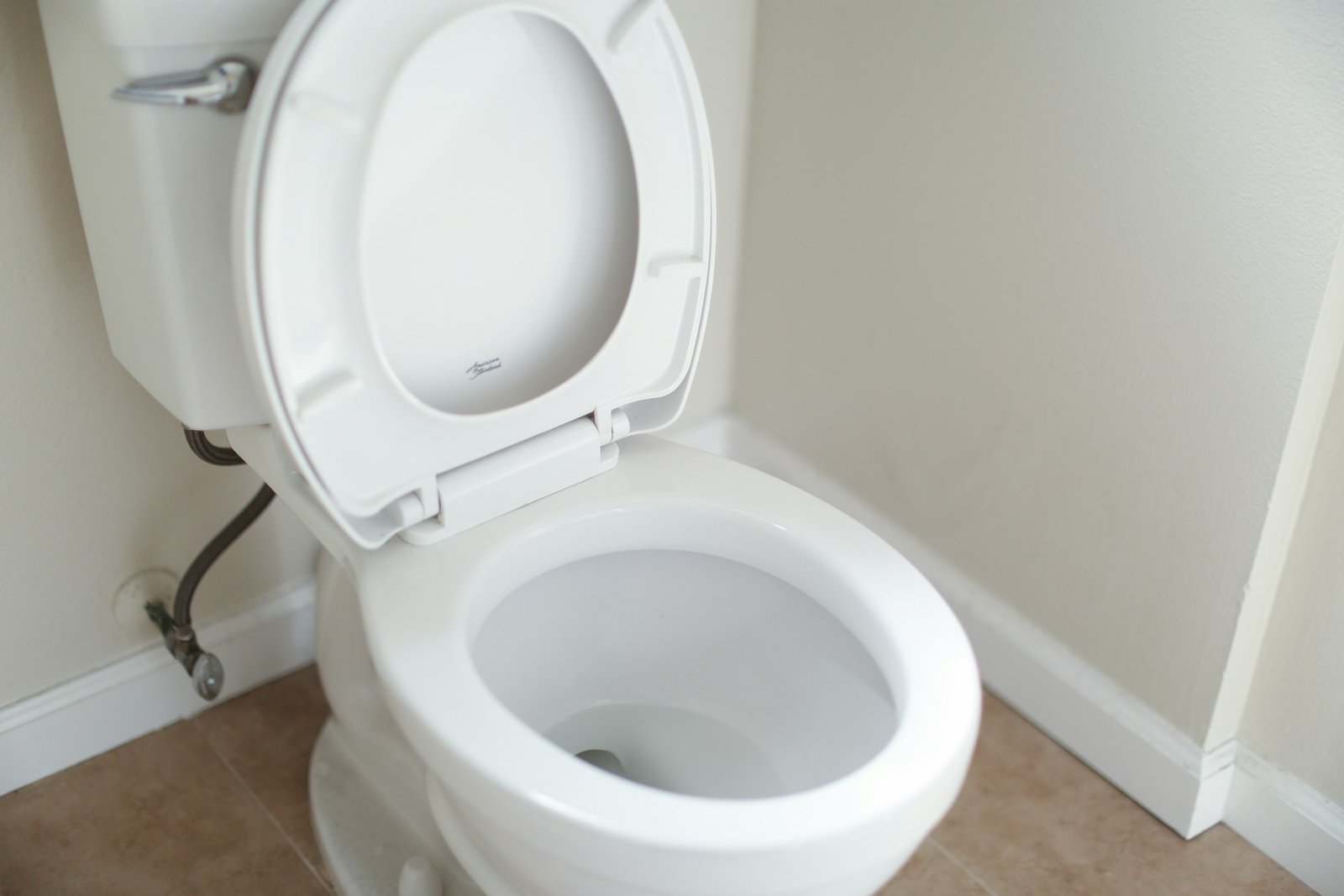
- Click the new seat onto the vertical hinge pins and slide the base plates until the rim aligns with the bowl.
- Lift the seat off the pins carefully, then tighten both mounting screws fully until the rubber grommets expand snugly below.
- Snap the decorative trim caps over the metal plates and push the seat onto the pins until you hear an audible click.
How to know it worked

The seat will sit completely flat against the bowl rim without wobbling when you shift your weight side to side. Push sideways against the front rim with one hand using moderate pressure; the hinge bases must not twist or slide across the porcelain surface. Lift the lid and release it; slow-close models should glide down over a period of 5 to 8 seconds without slamming. Look at the edge gap around the bowl contour: the plastic edge must follow the china rim within roughly 1/8 inch around the entire circumference. If the base shifts, remove the trim caps and tighten each bolt two more turns.
If something goes wrong
| What happened | Why | What to do |
|---|---|---|
| Seat slides sideways | Bolts are under-tightened | Tighten top bolts firmly |
| Rubber plug won’t push in | Hole diameter is narrow | Coat plug with water |
| Screw spins without gripping | Internal nut fell off | Replace with toggle bolt |
| Caps refuse to snap | Base plates are crooked | Align plate edges straight |
| Lid hits the tank | Hinge posts set backwards | Reverse mounting bracket directions |
How often to do this
Most households swap toilet seats every 3 to 5 years as hardware stretches and plastic finishes wear out. If your bathroom has high humidity or gets heavy daily use by a large family, hinges can work loose more frequently instead. The two biggest factors that shorten the seat’s life are aggressive chemical cleaners that rot the rubber anchor grommets, and overtightening bolts during installation, which strips plastic threads. Check the top hinge bolts regularly; if the seat shifts by more than a couple of millimeters, simply snug the screws down.
Frequently asked questions
Can you replace a toilet seat without bottom access?
Yes, you can do this by using top-fixing expanding rubber plugs or toggle anchors designed specifically for fully skirted toilet pans. These fittings drop directly into the bowl holes from above and expand tightly against the hidden interior porcelain walls as you turn the top screws.
Why does my hidden bolt toilet seat keep sliding?
Loose rubber grommets cause this when they don’t grip the glazed porcelain inside the hole firmly enough. You’ll need to remove the beauty caps and tighten the top screws until the lower rubber sleeves swell outward, locking the hinge bases securely to the flat ceramic deck.
How long does a top-fixing toilet seat last?
About 4 to 6 years under normal household use before the soft-close dampers or plastic anchor sleeves wear down. You’ll know it’s time for a replacement if the lid slams shut quickly or the mounting posts remain loose even after you have fully tightened the metal bolts.
Is it safe to use WD-40 on toilet seat bolts?
Yes, using a light drop of penetrating oil on rusted metal threads helps break them free without snapping older fittings. Just be sure to wipe any excess fluid off the porcelain immediately, because lingering petroleum oils can discolor bathroom caulk and eat away at fresh rubber grommets.
What happens if the anchor falls inside the toilet base?
The dropped nut simply stays harmlessly inside the hollow porcelain cavity beneath the skirted bowl walls. You can’t retrieve parts from sealed pans, so you must purchase a universal blind-hole expansion kit at a local hardware store to complete your installation with new hardware.
Does bowl shape matter for hidden bolt seats?
Yes, because round seats are roughly 16.5 inches long while elongated seats measure approximately 18.5 inches from the mounting holes. Always measure your toilet bowl length before purchasing a replacement kit, or the front edge won’t line up correctly with the ceramic rim underneath.
Final Thoughts
Once you’ve tightened the hinges and snapped the covers into place, your bathroom will feel refreshed and tidy. It’s a simple upgrade that makes a big difference in your daily routine. If you’re feeling handy, you might want to tackle a leaky faucet next—it’s just as satisfying to fix.
Related guides
- How to Replace a Toilet Tank: A Simple Step-by-Step Guide
- How to Replace a Shower Cartridge: A Step-by-Step Guide