Finding the best mirrors for a close shave without fog your ultimate guide means picking between heated water-chamber designs or chemically coated acrylic units with at least 1x to 3x magnification. This guide details mounting mechanics, thermal equalization physics, and maintenance habits that prevent hard-water destruction.
Table of Contents
How these mirrors keep your shave fog-free
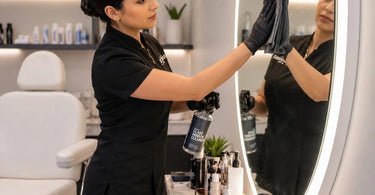
A fogless shower mirror prevents warm moisture from turning into tiny droplets across the reflective pane. When humid shower air hits a cold surface, it reaches its dew point and condenses into a cloudy film that ruins your shaving line. These tools solve that problem using two real mechanisms: thermal equalization or hydrophilic surface treatments.
Thermal equalization mirrors use a built-in reservoir behind the glass. You fill this chamber with hot shower water right before shaving. By warming the mirror material to match the surrounding air temperature, condensation can’t physically form on the front face. Hydrophilic acrylic mirrors use a molecular coating that forces water droplets to flatten out into a continuous, clear sheet rather than beaded fog.
A frequent misconception is that these products generate their own heat like an electric car defroster. Most shower units are entirely non-electric for safety. If an acrylic unit feels lighter than expected, remember that shatterproof safety acrylic is standard because falling bathroom glass causes severe cuts.
The basic method
- Clean the shower tile with 2 ounces of isopropyl alcohol and a lint-free cloth to strip away soap film, oils, and mineral buildup.
- Turn on your shower, set your water temperature to your normal washing heat, and let the room fill with steam for 2 minutes.
- Unhook the mirror bracket, submerge the water chamber directly under the hot shower stream for 5 to 10 seconds until filled, and remount the unit.
- Apply 1 nickel-sized dollop of shaving cream or gel directly to your wet skin, keeping the mirror face completely free of lather.
- Tilt the mirror hinge to a 15-degree downward angle so overhead shower spray can’t splash soapy water onto the viewing surface.
- Shave in slow, 2-inch strokes, checking your neck lines under the fog-free reflection.
- Empty the rear chamber completely after you finish your shave so stagnant moisture doesn’t harbor mold inside the frame.
The single judgement call that separates a good shave from a bad one is balancing surface temperature before you make the first pass with your blade. If this happens, re-submerge the mirror under hot water for another 5 seconds to reset the thermal balance. For complex bathroom wiring or hardwired heated mirror pads, don’t attempt home electrical work; hire a licensed electrician to avoid lethal shock hazards around wet plumbing.
Key numbers and settings at a glance
Here is how different anti-fog mirror styles perform across common bathroom conditions.
| Situation | What to use | How long | What to watch for |
|---|---|---|---|
| Travel or temporary lodging | Suction-cup travel mirror with silicone border | Clears in 3 seconds under hot tap water | Suction cups release from textured hotel tile |
What separates good results from bad ones
Temperature control and placement
Experienced wet-shavers place their mirrors outside the direct water stream but well within arm’s reach. Sticking the mirror directly into the primary shower spray washes away your anti-fog coating and spatters soap scum across the optics. Instead, mount the bracket at nose height, roughly 12 to 18 inches away from the showerhead plume. This positioning keeps the glass accessible for thermal refills while shielding the viewing area from high-pressure stray droplets.
Surface care during the shave
Keep your bare fingers off the active viewing area. Skin oils transfer instantly to the surface, breaking the surface tension that keeps moisture flat. If you get shave cream on the face, flush it gently with a cup of warm water rather than wiping it with a washcloth. Wiping an acrylic surface with a dry towel creates micro-scratches that trap lime deposits and permanently cloud your view.
Common problems and quick fixes

When your mirror clouds or falls, identify the direct physical failure before trying to adjust your routine.
| What you notice | What it usually means | What to do first |
|---|---|---|
| Fog spreads from outside edges | Rear chamber water has cooled down | Refill the reservoir with hot shower water |
| Suction cup slides down the wall | Air pocket formed behind the silicone seal | Clean wall with alcohol and remount on dry tile |
| Water beads up into a white haze | Factory hydrophilic coating has worn away | Spray surface with commercial anti-fog drop solution |
| Image appears warped or wavy | Acrylic flexed under pressure or heat | Loosen the mounting bracket screws half a turn |
Bathroom Safety and Moisture Standards
Water and smooth bathroom materials present real slip and fall hazards during morning routines. The Consumer Product Safety Commission mirror safety guidelines outline the impact standards for bathroom fixtures, showing why shatter-resistant polymer or bonded acrylic is mandatory in wet shower enclosures instead of standard float glass. Standard vanity mirrors crack easily when dropped onto hard fiberglass or porcelain tubs, creating razor-sharp shards that cause severe lacerations.
If you choose a hardwired electric defogging mirror pad outside the shower stall, the National Electrical Code requires installation on a Ground Fault Circuit Interrupter (GFCI) circuit. Water conducts electricity rapidly across wet tile floors. If you lack experience with wet-area residential wiring, hire a licensed electrician to pull the permits and run the line safely.
Maintaining the Clear Coating
Hard water is the primary enemy of anti-fog hardware. Calcium and magnesium dissolved in domestic tap water leave chalky white rings when drops evaporate against acrylic. Once mineral scale binds to a factory coating, removing the scale strips the chemical layer entirely.
To preserve the surface, rinse the front pane with clear water for 3 seconds after every shave. Shake off the excess droplets and hang it to dry naturally. Wipe down the shower tiles around the bracket weekly to keep mildew from weakening the suction base. If the factory anti-fog treatment stops sheeting water, apply 2 drops of specialized anti-fog surfactant or basic baby shampoo to the lens, buff it gently with a wet microfiber cloth, and rinse. This simple reset restores surface tension without scratching the optics.
When to use a different approach
Anti-fog shower mirrors aren’t for men who prefer electric rotary dry-shaving, because hair clippings turn into thick paste against wet shower skin. If you have sensitive facial skin that reacts poorly to steam, shave at a dry bathroom sink with cold water instead; cold water reduces blood flow to the skin surface and cuts down on razor burn. Furthermore, this tool is the wrong choice if your bathroom walls consist of unsealed natural slate, porous stone, or rough grout. Suction cups will fail on uneven surfaces every time. Instead, buy a freestanding, rustproof pedestal mirror that sits flat on an adjacent vanity shelf.
Frequently asked questions

Can you use shaving cream to defog a regular shower mirror?
Yes. Rub a pea-sized drop of traditional shaving foam over clean glass and wipe it clean with a dry microfiber rag. The residual surfactants leave a short-term film that stops moisture droplets from beading. This homemade fix lasts for 1 to 2 showers before shower steam flushes it off.
Why does my suction cup keep falling off the shower tile?
Suction cups fail when microscopic air channels exist between the mount and your wall. Porous tile, textured stone, and cracked grout let air enter the vacuum chamber within hours. If you have smooth ceramic tile, clean it with rubbing alcohol and install the cup against a clean surface.
Is acrylic better than glass for a shower mirror?
Yes, because safety acrylic won’t shatter into dangerous shards if it falls onto a hard tub floor. Acrylic is also much lighter, which allows silicone mounts and suction cups to hold it securely. However, acrylic scratches more easily than real glass, so never scrub it with abrasive sponges.
How long does a factory anti-fog coating last?
Between 1 and 6 months, depending entirely on water hardness and cleaning habits. Using harsh ammoniated glass cleaners strips the chemical coating in a single wipe. If you only rinse the mirror with warm water, the original hydrophilic factory surface holds up for months before requiring a drop of refresher spray.
Does cold water stop an anti-fog mirror from working?
Yes. If you fill a heated chamber mirror with cold water, it will fog up immediately. The unit works on the principle of thermal equalization, meaning the mirror face must match or exceed the air temperature of the warm bathroom to stop moisture condensation. Fill the reservoir with your hottest shower water.
Final Thoughts
Choosing the right mirror shouldn’t feel like a chore, so take a moment to measure your shower space before you buy. Once you’ve installed your fog-free upgrade, you’ll see exactly what you’ve been missing. You’re going to love how much smoother your morning routine feels when you can finally see clearly.