
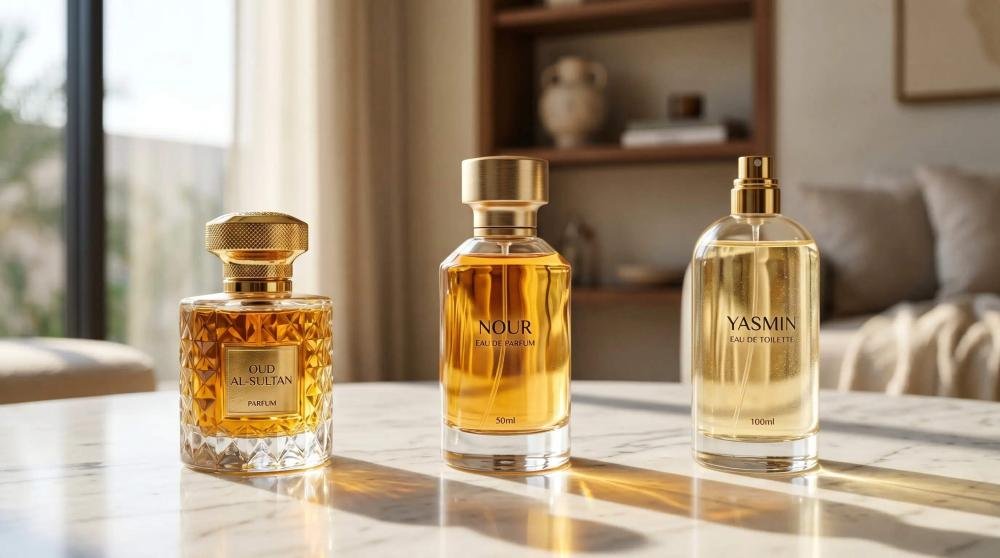
The difference between toilet water and perfume is determined by fragrance oil concentration, as toilet water contains less pure oil than perfume.
Table of Contents
The main difference between toilet water and perfume
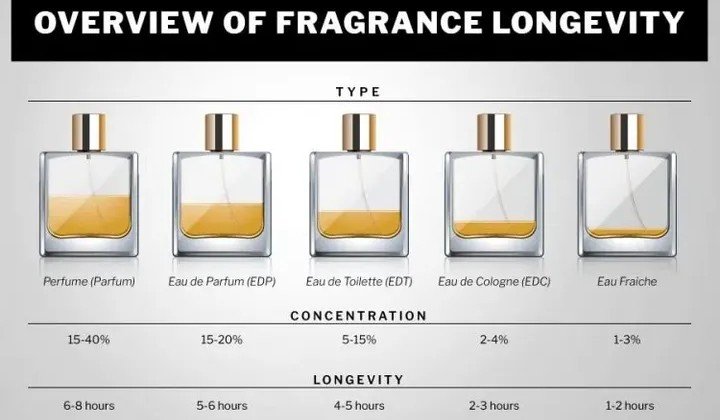
- Pure perfume lasts roughly 8 to 24 hours on skin, while toilet water fades within 3 to 6 hours under normal indoor humidity.
- Toilet water projects stronger off your skin during the first hour because its higher alcohol volume evaporates faster.
- Perfume sits closer to your skin after drying, releasing base notes throughout the whole day without needing a second spray.
- Check the concentration type printed on the bottom sticker or carton: EDT means toilet water, while EDP or Parfum means perfume.
- If you work in a closed office, wear toilet water; if you attend an evening event outside, wear perfume.
Why oil concentration changes how scent behaves
Alcohol evaporates into the air much faster than fragrance oils do. A bottle of toilet water contains mostly ethanol and water, with only a small portion of aromatic compounds. When you spray it, the large amount of alcohol carries the light top notes across the room right away. This gives toilet water a sharp, bright opening that people notice immediately. The trade-off is longevity: once that alcohol evaporates, very few oil molecules remain behind on your skin, so the scent disappears before dinnertime.
True perfume works the opposite way because it contains far more heavy botanical oils and aromatic chemicals. The FDA cosmetics labeling guide requires cosmetic makers to declare ingredients accurately, though trade-secret scent formulas remain grouped under the word “fragrance.” These rich base notes—like vanilla, cedar, amber, and musk—don’t evaporate quickly. They bind to the natural sebum on human skin. This heavy layer creates a slow release that stays noticeable for an entire shift. Perfume doesn’t fill a whole room quickly, but it remains detectable up close long after toilet water has vanished.
When the answer is different
Skin temperature, dry air, and base ingredients change how both formulas perform.
| Situation | What changes | What to do instead |
|---|---|---|
| Very dry winter skin | Toilet water vanishes in an hour | Apply unscented lotion first to trap oil |
| Hot summer afternoon | Perfume turns cloying and heavy | Switch to toilet water with citrus notes |
| Synthetic fixative formula | Cheap EDT outlasts costly EDP | Read user notes on base longevity |
| Heavy fabric application | Toilet water stays trapped in weave | Spray clothing instead of warm skin |
| Pure parfum extrait format | Oil leaves greasy marks on fabric | Apply droplets solely behind your ears |
How to do it properly
- Wash your neck and wrists with warm water and soap so body oils don’t block the fragrance molecules.
- Rub a dime-sized amount of unscented petroleum jelly or moisturizer onto your pulse points to give the fragrance oils a surface to stick to.
- Hold the spray nozzle roughly 5 to 7 inches away from your dry skin before pressing down completely.
- Spray exactly 3 to 4 pumps if you use toilet water, focusing on your collarbones, inner wrists, and the back of your neck.
- Limit yourself to 1 or 2 pumps if you use perfume, because higher oil levels create an overwhelming cloud when overapplied.
- Let the wet liquid dry naturally on your body for 3 minutes without touching it with your fingers.
- Sniff your wrist after 4 hours; if the scent is completely gone, your skin type needs an extra pulse point spray.
The mistakes that ruin it
- Rubbing your wrists together after spraying, which heats the top notes and destroys the delicate opening scent in seconds.
- Storing glass bottles on a sunlit bathroom counter, where steam and UV rays break down delicate aromatic oils within six months.
- Spraying pure perfume directly onto white silk or light linen, which leaves stubborn yellow oil stains that cost money at dry cleaners.
- Expecting a light citrus perfume to last as long as a woodsy toilet water, ignoring that raw materials dictate evaporation speed.
Frequently asked questions
Can toilet water be used as an everyday scent?
Yes, toilet water works well for regular day-to-day use. Its lower oil concentration makes it light and fresh. You won’t overwhelm coworkers or classmates in small rooms, and it costs less per bottle than concentrated perfume.
Why is it called toilet water?
The term comes from the French phrase eau de toilette. It refers to the historical morning routine of washing and grooming at a small dressing table, which was called a toilette. It has no connection to modern bathroom toilets.
How long does perfume stay good in the bottle?
Between 3 and 5 years if stored in a cool, dark drawer. Heat, oxygen, and direct sunlight oxidize the fragrance oils over time. You’ll know it turned bad when the liquid darkens or smells sour, like vinegar.
What happens if you spray too much perfume?
You trigger headaches and nasal irritation for yourself and the people around you. Heavy perfume oils linger in indoor air for hours. If you sprayed too much, rub rubbing alcohol on your skin using a cotton ball to dissolve the excess oils.
Does skin type change how long toilet water lasts?
Yes, dry skin absorbs the alcohol quickly and lets the light fragrance escape within 2 hours. Oily skin holds onto scent compounds much longer. If your skin runs dry, a layer of plain balm creates a moisture barrier that extends wear time.
Is perfume always higher quality than toilet water?
No, concentration describes the ratio of oil to alcohol, not the quality of the raw ingredients. An eau de toilette made with premium natural extracts will smell richer than an eau de parfum packed with cheap synthetic musks. This varies by model — check the label.
Who is heavy perfume NOT for?
Heavy perfume isn’t for people with fragrance-triggered asthma, skin allergies, or jobs in medical clinics. Many hospitals enforce scent-free policies because concentrated airborne perfume oils cause respiratory distress in vulnerable patients.
Final Thoughts
Choosing the right scent really depends on how long you want your fragrance to last throughout the day. Next time you’re shopping, don’t just sniff the bottle; spray a little on your wrist and wear it for an hour. You’ll see how it changes, and you’ll find the perfect one for you.
Related guides
- What Is the Difference Between Toilet and Restroom Explained
- Difference Between Toilet and Lavatory: Definitions Explained
- Difference Between Toilet and Latrine: Waste Disposal Explained






