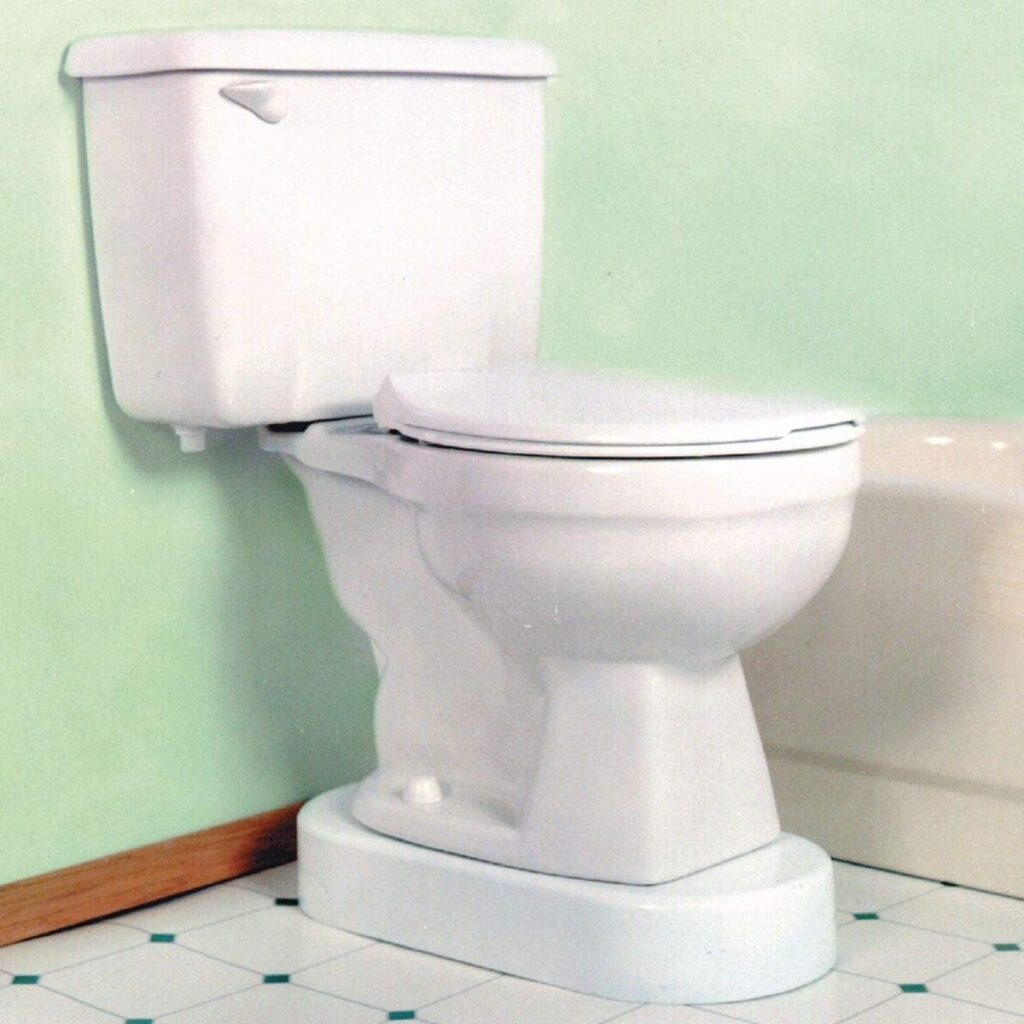
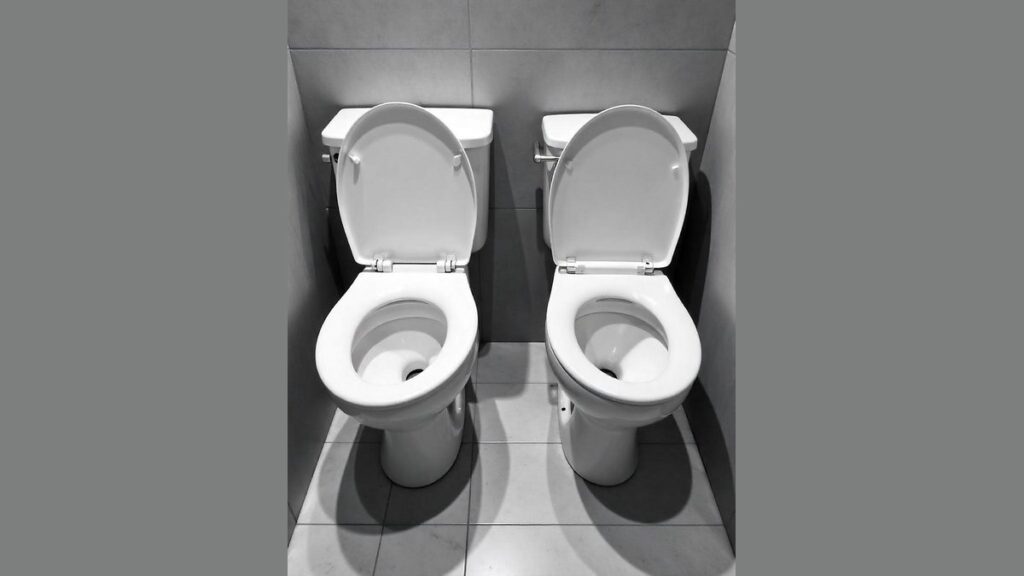
An elongated bowl gives better adult comfort because the oval shape supports your thighs, making it the better choice for most standard homes.
Table of Contents
The options compared
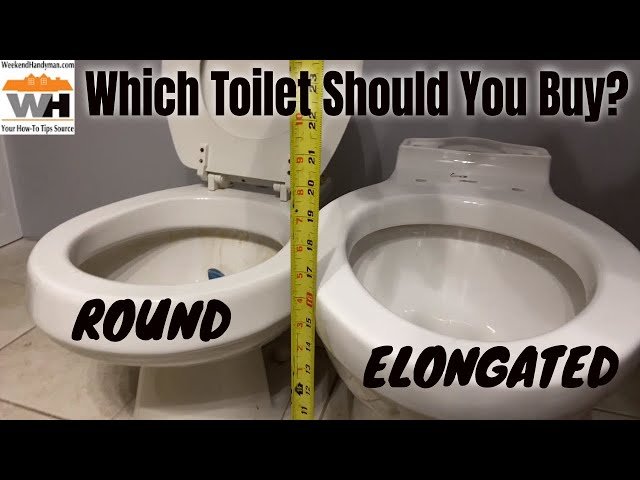
Here is how the main bowl styles compare for everyday home bathrooms:
| Method | How long | Effort | Cost | Best for |
|---|---|---|---|---|
| Elongated bowl | 1 to 2 hours to fit | Low | Medium | Everyday adult comfort |
| Round-front bowl | 1 to 2 hours to fit | Low | Low | Powder rooms and small spaces |
| Compact elongated bowl | 2 to 3 hours to fit | Medium | High | Small baths wanting full comfort |
Fitting an elongated bowl
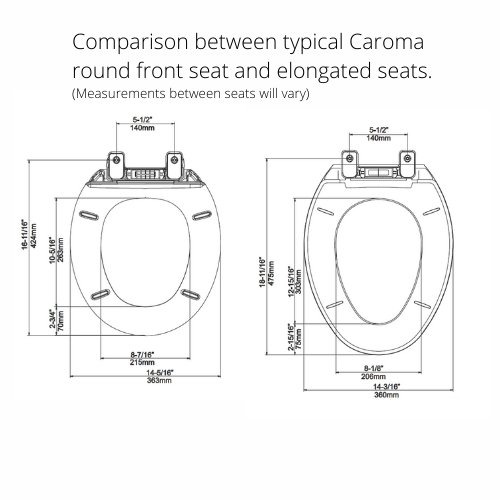
An elongated toilet measures roughly 18.5 inches from the seat hinge bolts to the front tip. Here is the process for installing one:
- Measure out from your finished wall to the floor bolts to verify a 12-inch standard rough-in space.
- Bolt the bowl over a fresh wax ring on the floor flange with 2 nylon washers and brass nuts, tightening each side evenly until snug.
- Attach the matching oval seat using the supplied plastic mounting bolts, turning them clockwise with a flat-head screwdriver until firm.
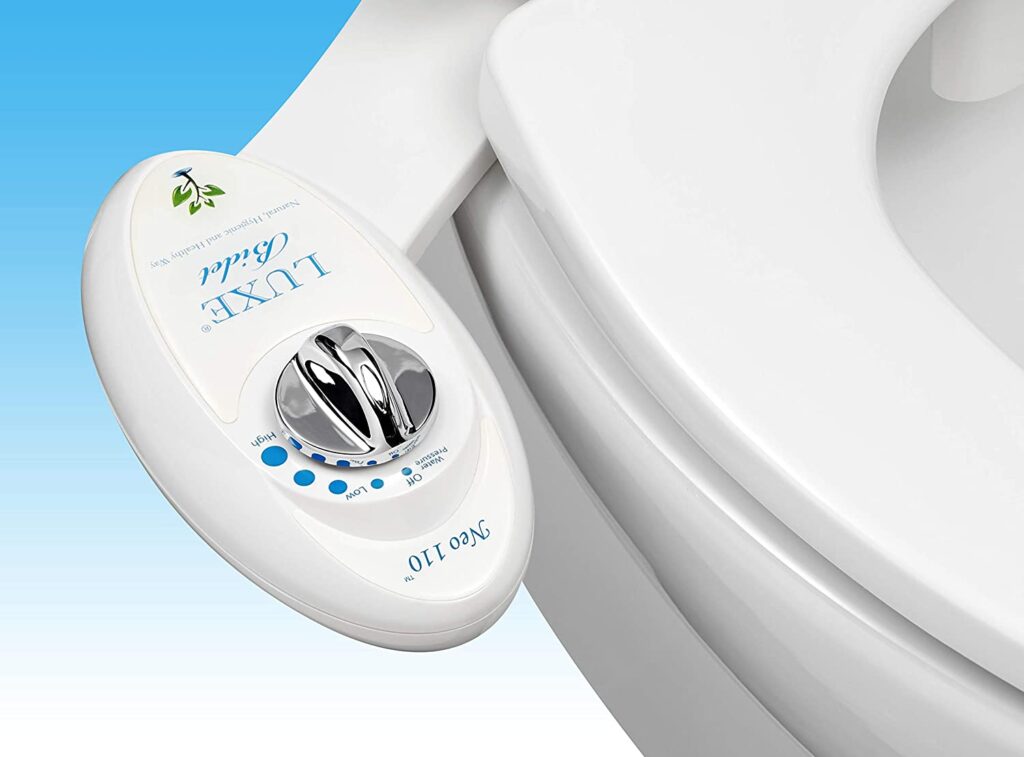
This shape offers extra thigh support and a larger water surface that cuts down on interior bowl streaks. It also fits modern bidet attachments easily. The main weakness is length; it extends about 2 inches further into the room than a circular model. This model isn’t for people with tiny powder rooms where swinging doors will hit the porcelain. A plumber must step in if your floor flange is cracked or rotted beneath the old base.
Installing a round-front bowl
A round-front bowl measures roughly 16.5 inches from the mounting holes to the front edge. Follow these setup steps:
- Clear a 21-inch clearance path in front of the toilet footprint to meet basic residential building codes.
- Set the round bowl directly onto the floor bolts, pressing down with your full body weight to flatten the wax gasket.
- Fasten the circular seat onto the porcelain deck using a standard wrench, checking that the rim aligns with the bowl edge.
Round bowls save roughly 2 inches of walkway space, making tight powder rooms feel significantly more open. They also keep smaller children closer to the front rim so they feel secure. The major drawback is seating space; adult legs hang off the sides, which feels cramped during daily use. If your plumbing drain sits unusually close to side walls, check local plumbing codes before securing the base.
Setting up a compact elongated toilet
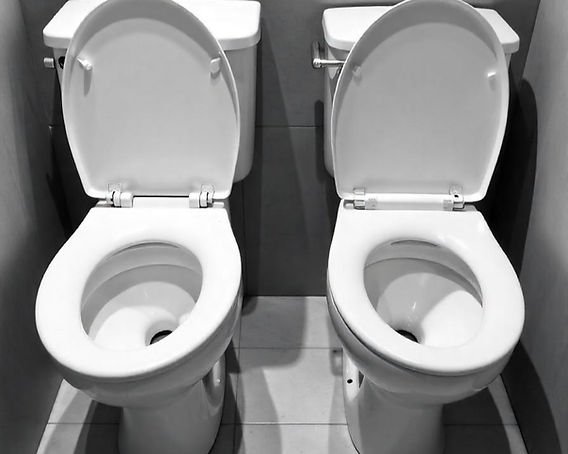
A compact elongated toilet puts an oval bowl onto an engineered, slim tank design. Here is how you set one up:
- Confirm your drain alignment matches the manufacturer’s rough-in template before taking the unit out of its box.
- Secure the concealed trapway bracket to the floor using a drill and 2 masonry screws.
- Slide the compact bowl over the mounting bracket and connect the internal water line before tightening the side bolts.
These designs provide the comfort of an oval seat while taking up the floor footprint of a round fixture. Their main weakness is price and complex mounting hardware. A fourth option is the wall-hung toilet, which saves the most room by putting the water tank inside the studs. It costs significantly more and requires professional framing changes behind your drywall.
Which one should you use?
If you’re in a hurry, buy a standard round-front toilet because it fits nearly every standard bathroom without clearance headaches.
If you’re doing this for the first time, pick a traditional two-piece elongated model. It leaves plenty of hand room around the tank bolts, making installation simple.
If you want the best possible result whatever it takes, choose a compact elongated toilet. You get total seated comfort without giving up floor area, though you must pay more for the specialized tank design.
Your trade-off comes down to room space versus daily comfort: round saves walking area, while elongated supports your body better every time you sit down.
The rules that apply whichever way you choose
Always measure your rough-in distance before buying any bowl style. Take a tape measure from the finished wall behind the tank to the center of the floor closet bolts; 12 inches is the standard, but older homes might measure 10 or 14 inches. Check that you leave at least 15 inches from the bowl centerline to any side wall or vanity, as stated by the International Code Council building standards.
During installation, never over-tighten your floor bolts; turning metal nuts too hard will snap the porcelain base immediately. Once the bowl rests on the wax ring, keep it level and avoid rocking it. At the end, fill the tank and flush twice to verify there are zero water leaks around the base. If you discover a damaged subfloor or need to relocate a soil pipe, hire a licensed plumber.
Frequently asked questions
Can you put an elongated seat on a round toilet?
No, an elongated seat won’t fit properly on a round bowl. The oval seat overhangs the front porcelain rim by roughly two inches. This exposes the underside of the plastic, looks messy, and puts uneven stress on the hinge bolts until they break.
Why do public restrooms use elongated toilets?
Public restrooms use elongated toilets because commercial plumbing codes require open-front elongated seats for hygiene. The larger opening leaves more target area and reduces body contact with the rim. It also gives easier access for personal wiping without touching the porcelain surface.
Is a round toilet cheaper than an elongated one?
Yes, a round toilet is usually cheaper to buy than an elongated model of the same brand line. Manufacturers use less raw ceramic clay to mold the shorter bowl. Replacement round seats also tend to cost slightly less than contoured elongated seat options in hardware stores.
How much space do you save with a round toilet?
You save about two inches of front-to-back floor space with a round toilet. While two inches seems small on paper, that distance varies by model — check the label. It often makes the difference between a bathroom door swinging open freely or slamming into the bowl rim.
What happens if you pick the wrong rough-in size?
Your toilet won’t mount to the floor flange if you buy the wrong rough-in size. A 12-inch toilet can’t fit onto a 10-inch drain opening because the tank hits the back wall first. Returning a heavy porcelain bowl wastes time and requires hiring help.
Are elongated toilets harder to clean?
No, elongated toilets are usually easier to keep clean inside the bowl. The wider opening gives you better visibility and easier brush access under the flush rim. The larger internal water spot also catches waste better, which stops debris from drying onto the bare side walls.
Final Thoughts
If you’re still unsure, head to a local showroom and sit on a few display models to see what feels right. It’s a simple test, but it’ll help you feel confident in your decision. You won’t regret taking a moment to choose the perfect fit for your family’s daily comfort.