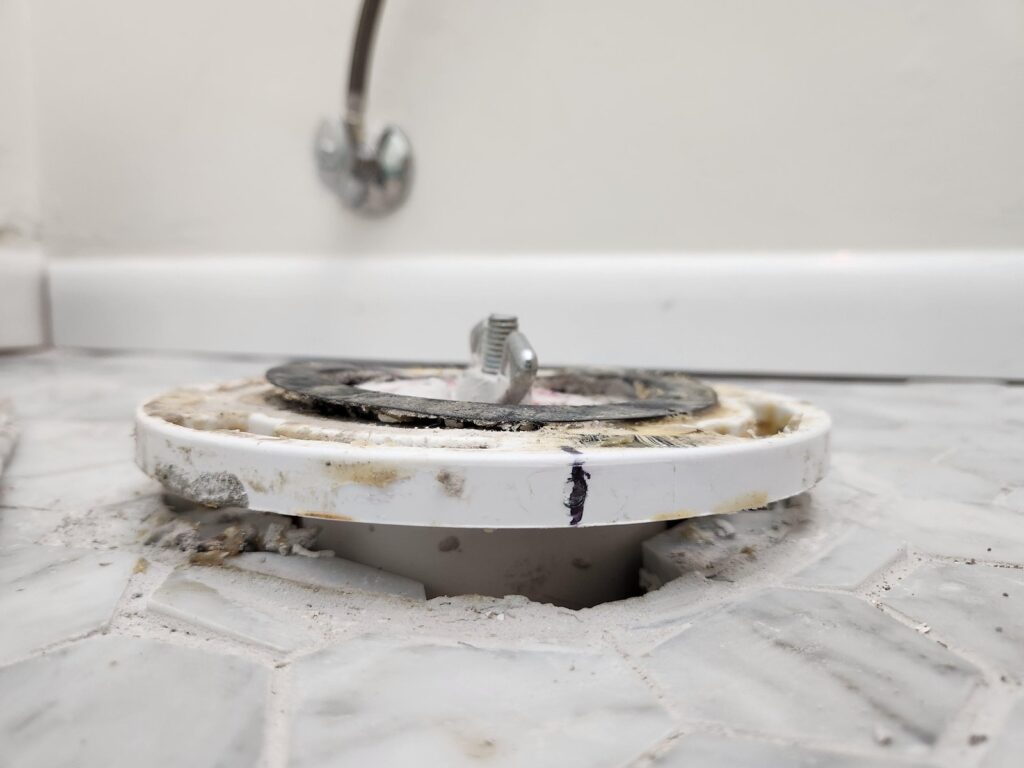
What to do when a toilet flange is too high depends on the gap: you can raise the toilet base with shims, install a finished subfloor platform, or cut the waste pipe lower. A rough-in pipe glued above finished floor height is the most common cause, leaving the toilet rocking with a broken wax seal.
Table of Contents
Why the toilet flange sits too high

A flange sits too high when someone installs new flooring that’s thinner than the old layer, or when a rough-in pipe was glued without checking the final floor level. Standard building practice, outlined in the International Code Council’s International Plumbing Code, requires plumbing fixtures to set level and secure against the finished surface.
Another reason is stacking. Homeowners often place an aftermarket repair ring or an extra spacer over an existing flange during a renovation, not realizing the extra quarter-inch prevents the toilet horn from clearing the pipe. Finally, older cast-iron lines don’t settle when subfloors shift. When surrounding wood sags over decades, the rigid drain pipe remains standing, which forces the flange to stick out higher than the surrounding tile.
Level the base with solid shims
This fix is for gaps under 1/4 inch where the flange sits slightly proud. Dry-fit the bowl without wax first. Slide plastic toilet shims directly beneath the porcelain rim on both sides until the bowl stops rocking completely.
Mark the shim edges with a pencil, pull them out, and apply a thin line of silicone on each side before sliding them back into place. Set your wax ring, lower the toilet, and tighten the closet bolts until snug. This varies by model — check the label on your bowl for torque limits, because over-tightening cracks porcelain instantly. If the gap exceeds 1/4 inch, don’t use shims alone; the exposed wax ring will blow out. Trim the sticking shim ends with a utility knife and apply tub-and-tile caulk around the front and sides of the base.
Build a water-resistant subfloor platform
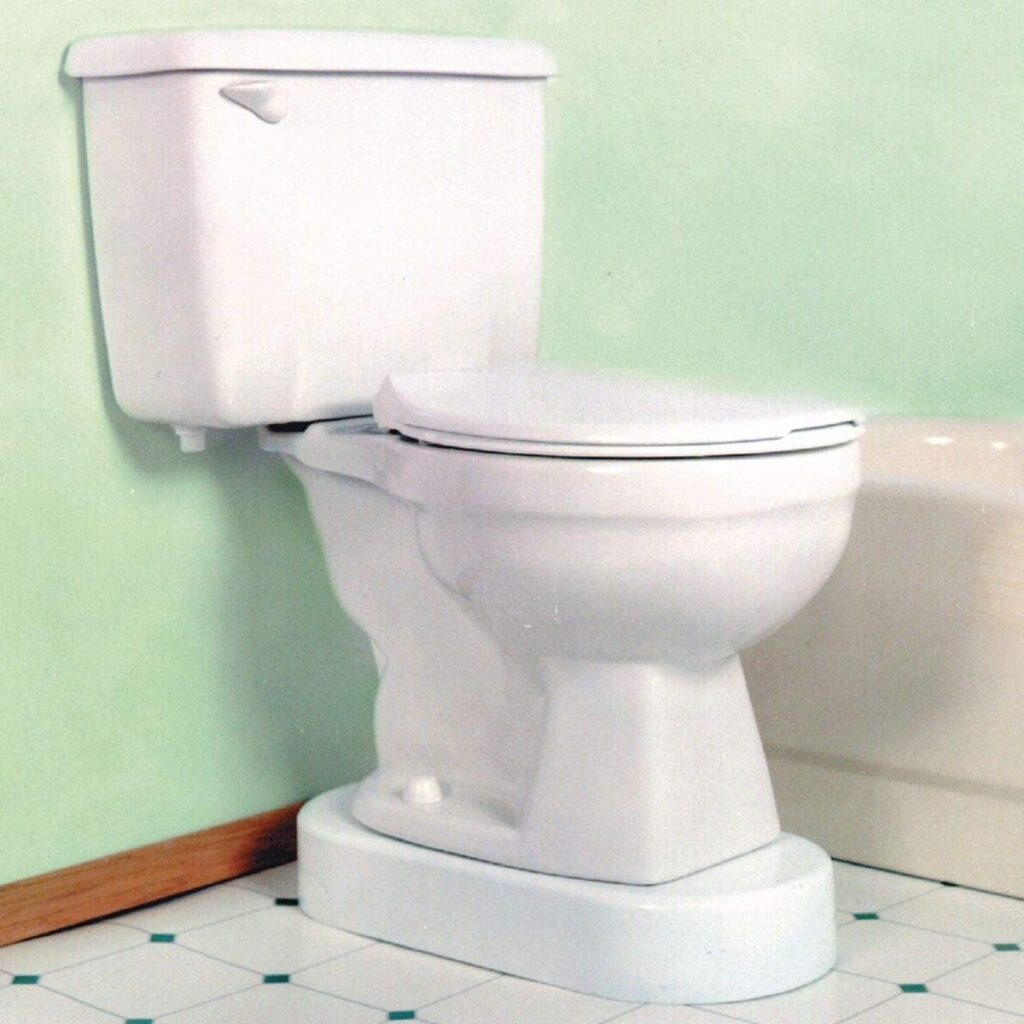
This method works best for gaps between 1/4 inch and 1/2 inch when you don’t want to cut existing drain lines. Trace the toilet footprint onto a sheet of 3/8-inch or 1/2-inch cellular PVC board. Cut the profile using a jigsaw, then cut a 4-inch hole in the center to fit neatly over the pipe collar.
Fasten this waterproof platform to your subfloor using counter-sunk wood screws. Set the toilet on top of this raised deck. The trade-off is clear: you preserve your plumbing lines without cutting, but the toilet seat sits noticeably higher, which looks unusual in small powder rooms. You’ll know it worked when the underside of the porcelain rests flat across the entire PVC surface without touching the raised metal flange edge. Wipe away any excess construction adhesive before it cures along the edges.
Cut the pipe from the inside
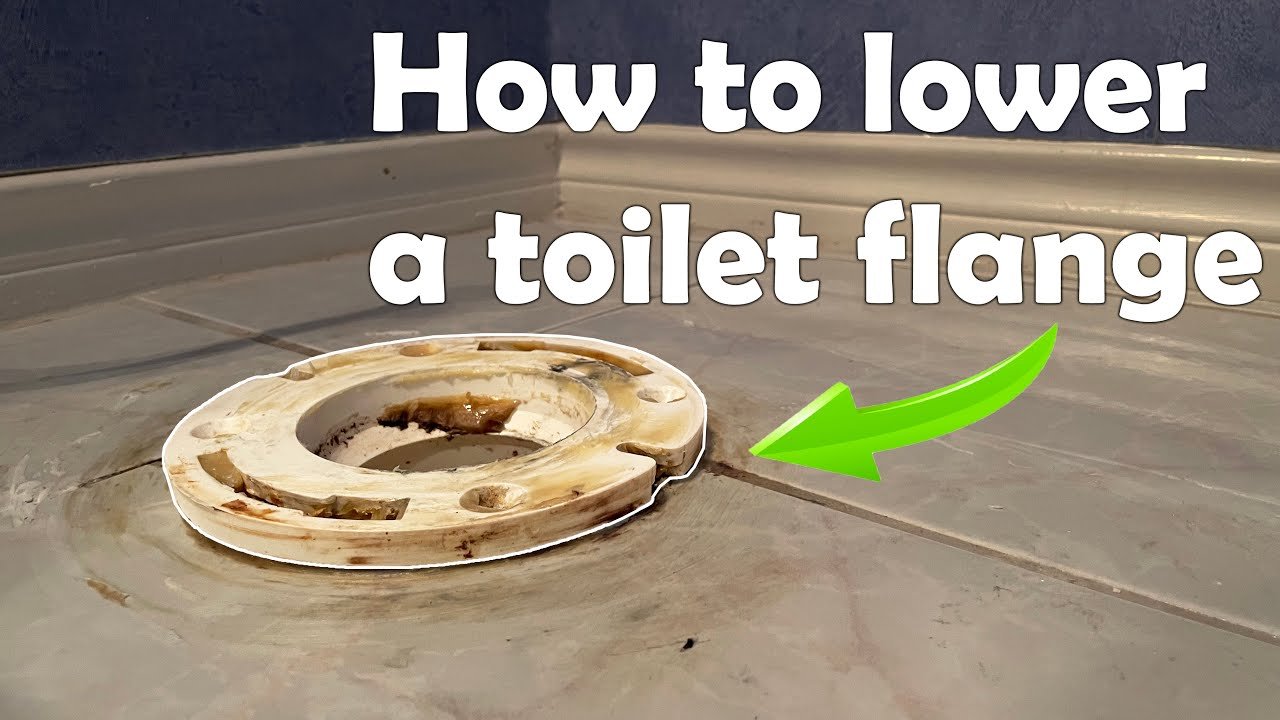
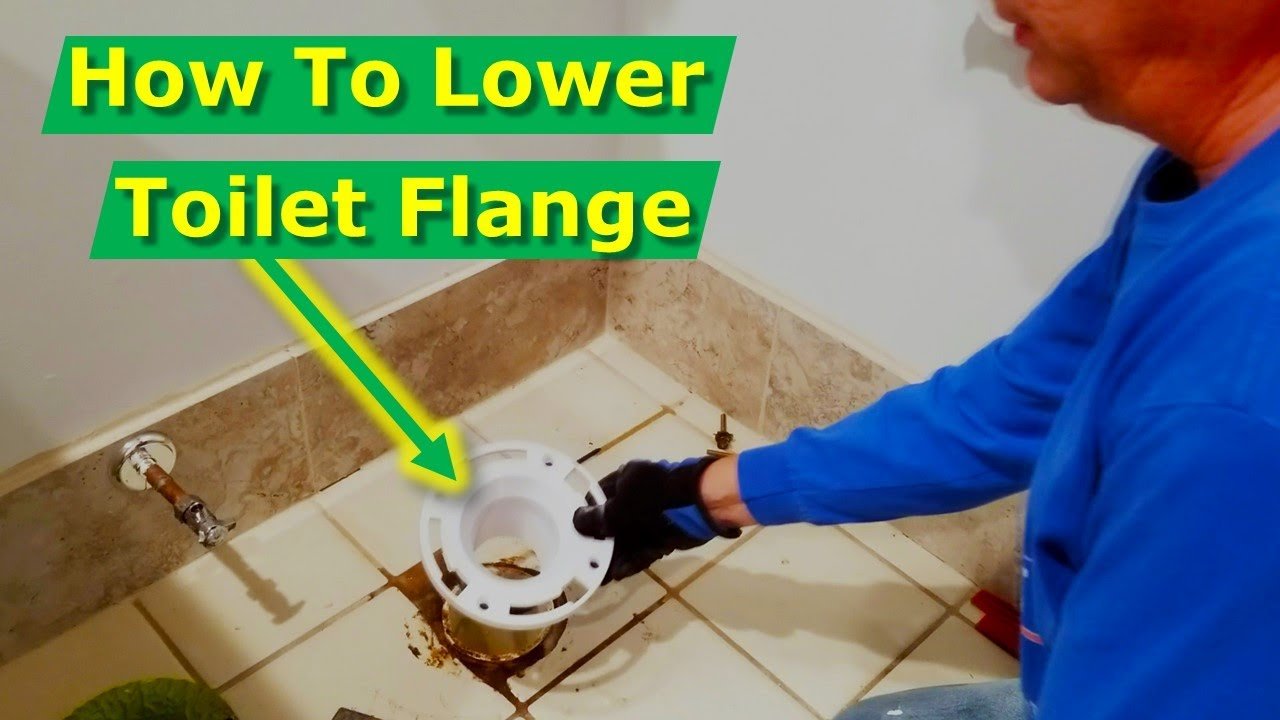
This fix is for flanges standing more than 1/2 inch above the tile, but this is NOT for homeowners who lack an electric drill or feel nervous around drain pipes. Buy an internal PVC pipe cutter, which is a small metal wheel that chucks into a standard drill.
Insert the bit down into the throat of the drain. Set your cutting depth just below the finished floor line. Run the drill at high speed and move around the inner perimeter until the top collar separates. Clear all plastic shavings with a shop vacuum so they don’t clog your trap. Glue a new, flush-fitting inside-mount flange into the fresh opening using PVC primer and cement. If you have cast-iron pipes, stop here; you must hire a licensed plumber to cut and adapt cast metal safely.
What not to do
- Never tighten closet bolts with extra force to bend the porcelain bowl down to the floor, as uneven tension snaps the ceramic foot.
- Don’t stack two thick wax rings to fill a wide air gap under the rim, because the soft wax blows out under water pressure during the first toilet clog.
- Never use soft wooden shims or cardboard scraps to level the base, since trapped floor moisture rots the material and brings back the wobble.
- Don’t leave the toilet base uncaulked along the front edge, as urine and mop water seep under the void and damage the subfloor below.
How to stop it happening again
Careful planning during your flooring remodel prevents high flange problems from returning.
| If you’re doing this | Do this instead | Why |
|---|---|---|
| Tearing out thick tile | Measure the new floor thickness before setting the drain | Thin luxury vinyl leaves old flanges standing too tall |
| Roughing in new PVC lines | Leave drain pipes uncapped and cut them only after tile cures | You get an exact, flush measurement against finished floor |
| Repairing a rusted metal ring | Use a low-profile split ring that hugs the floor | Thick universal repair plates raise the toilet mounting height |
| Replacing an old subfloor | Check the floor joists with a 4-foot level | Sagging joists make plumbing stacks sit higher than the floor |
Frequently asked questions
Can a toilet sit directly on a high flange?
No, the toilet must rest firmly on the finished floor. If the bowl hangs on the flange, your body weight concentrates entirely on the plastic collar. The bowl will rock, the wax seal breaks, and sewer gas leaks into the room.
How much space should be between the flange and the floor?
The bottom of the flange ring should sit flat on top of the finished floor. That places the upper rim about 1/4 inch above the tile surface. This spacing gives standard wax gaskets the right amount of squeeze without lifting the bowl.
What happens if I overtighten toilet bolts on a high flange?
The porcelain base breaks. Snapping the base ruins the entire toilet, costing hundreds of dollars for a new bowl. If the toilet rocks on a high pipe, tighten the nuts only finger-tight before testing for stability.
Is it safe to grind down a cast-iron flange?
No, grinding cast iron creates intense heat and toxic dust in small bathrooms. Hitting old iron with an angle grinder often cracks the pipe below the floor, creating an expensive repair job inside the ceiling below.
Why does my toilet rock after installing a new wax ring?
The flange is taller than the recess cavity beneath your toilet bowl. When porcelain can’t touch the floor, the wax ring compresses completely and the porcelain teeters on the plastic pipe. You must lower the pipe or raise the floor.
Final Thoughts
Once your toilet is bolted down, check for any wobbling before you apply a bead of caulk around the base. It’s a good idea to let the sealant cure for at least twenty-four hours before you use the fixture. You’ll have peace of mind knowing your bathroom is leak-free and secure.
Related guides