
If you find a rat in your toilet, shut the lid immediately and weight it down. Don’t use the toilet, and don’t try to grab the animal with your hands. Look at the water line under the rim to confirm the rat is trapped inside the bowl, then pour in liquid dish soap to stop it from treading water before you flush it back down the main pipe.
Table of Contents
How to find a rat in your toilet
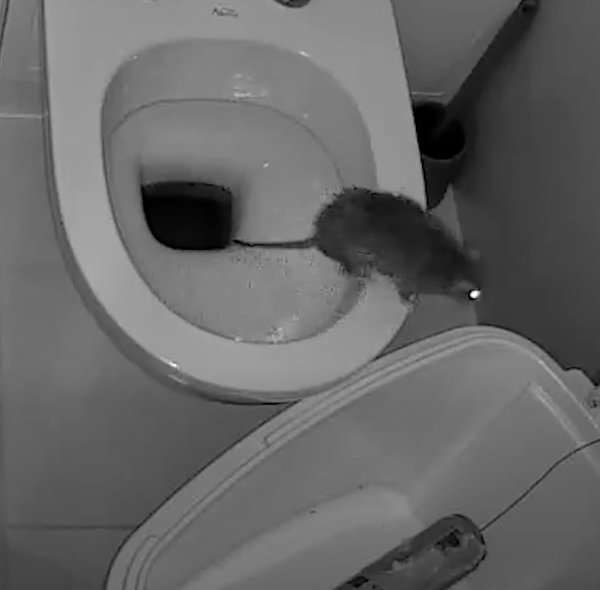
Here is how to read the situation inside your bathroom right now.
| What you notice | What it usually means | What to do first |
|---|---|---|
| Rat swimming in the bowl | Rodent swam through sewer trap | Shut lid and place heavy book on top |
| Scratching noise inside toilet porcelain | Rat trapped inside hollow rim | Keep lid shut and clear the room |
| Droppings behind the toilet base | Rat climbed out across floor | Check wall baseboards for open holes |
| Toilet water level dropped low | Broken sewer pipe lost pressure | Call licensed plumber to inspect pipe |
| Wet rat tracks on seat | Rat left bowl and returned | Shut the bathroom door immediately |
| Gnaw marks on wax ring | Rat chewed into drain base | Place mechanical trap on the floor |
Rats swimming up sewer lines
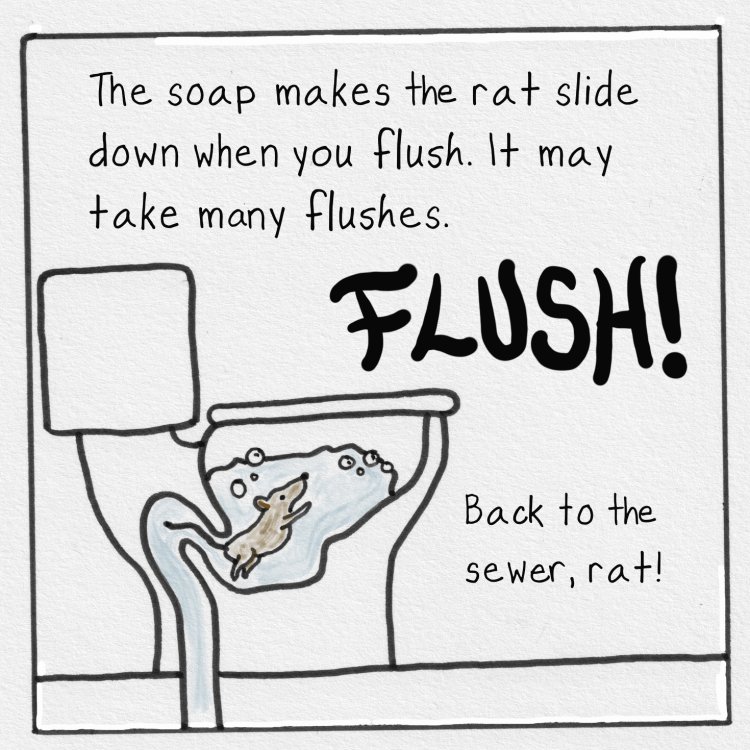
Norway rats enter homes through city sewer mains because they swim through water pipes with ease. You can confirm this path by checking your bathroom walls; if the drywall has no holes, the animal came up the drain. Pour three generous tablespoons of standard liquid dish soap into the bowl water from a cracked lid, wait 10 minutes to break the surface tension, then flush the toilet twice. You’ll know it worked when the water clears, the bowl stays empty, and no splashing sounds come from the pipe.
If you have a modern dual-flush valve, use the heavy flush setting; if you have an older low-flow toilet, hold the handle down for five seconds to release the full tank. The trade-off is simple: using soap and flushing resolves the emergency fast, but it risks the rat turning around and swimming back up the same drain later that day.
Entry through a broken vent pipe
Roof plumbing vents let air into sewer lines, but a cracked pipe allows rats to drop inside and slide into the toilet bowl. This cause is different from sewer swimming because the rat falls from above rather than paddling through waste lines from the street. You can tell this apart from a sewer swimmer because the rat will often be dry or panicking violently after a long fall. Confirm this by checking your roof vent screen from the ground; an open pipe top without a wire cap confirms the route.
Shut the bathroom door, roll a towel against the bottom gap, and place a wire cage trap loaded with peanut butter on the floor. Never try to push a dry, active rat down the drain with a toilet brush. This method isn’t for people with open ceiling crawlspaces where escaped rats can easily vanish. People often make the mistake of leaving the bathroom window open hoping the rat jumps out, which costs them hundreds of dollars when the rodent hides inside wall cavities instead. A cleared trap with a caught rodent confirms you solved the intrusion.
Rats entering through floor gaps
Rats can enter the bathroom through gaps around the plumbing base, climb the porcelain exterior, and fall into the water while seeking a drink. You can tell this cause apart from the first two because you’ll find black rub marks or dry droppings along the baseboard behind the tank. Confirm it in under a minute by shining a flashlight directly behind the toilet base to spot any gap wider than half an inch.
Cover the bowl with the lid and put a heavy brick on top. Seal the baseboard opening using steel wool and silicone caulk to block the crawlspace passage. This mechanical barrier keeps outdoor rodents outside, though this varies by home age—check the flooring around older cast-iron fixtures carefully. The fix worked when your baseboard remains intact, the bowl stays clean, and no fresh droppings appear over the next 48 hours.
When to stop and get help
Stop handling this problem yourself if you see any of these warning signs:
- Rat bites or scratches you through gloves, which requires immediate hospital care for rabies and infection risks.
- The rat climbs out and disappears behind a fixed bathtub panel where you can’t reach it safely.
- You hear scurrying inside multiple walls across your home, pointing to a wider sewer colony invasion.
- Toilet water bubbles continuously after flushing, indicating a fully collapsed underground waste pipe.
Call a licensed pest controller or municipal water technician when the rat won’t flush down or you suspect a cracked pipe under the foundation. The Centers for Disease Control and Prevention guidance on rodent control warns that rodents spread diseases through direct bites and contaminated water, so hire an expert if you can’t safely isolate the animal.
Frequently asked questions
Can a rat climb out of a closed toilet?
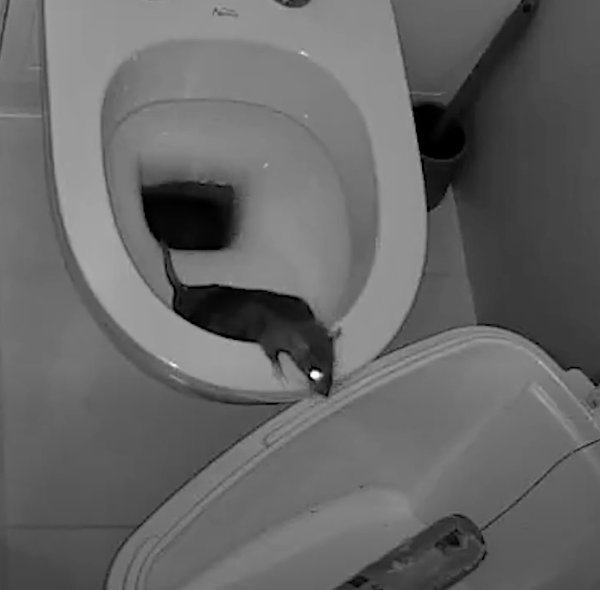
No, a rat can’t lift a closed, weighted toilet lid. Rats have strong hind legs, but a standard lid with a small object weighing at least five pounds on top provides enough downward pressure to keep the animal fully trapped inside the porcelain bowl.
Why do rats come up through toilets?
Rats seek food scraps and freshwater trapped inside sewer systems. When street pipes flood during heavy rainfall, rats swim upward through the water-filled S-bend trap of your household toilet looking for dry ground, air pockets, and accessible living areas.
How long can a rat hold its breath underwater?
About three minutes under normal conditions.
Is it safe to flush a live rat down the toilet?
Yes, flushing is the safest contactless way to remove a sewer rat. Flushing is the safest contactless way to remove a sewer rat, though it isn’t guaranteed to be successful.
What happens if you pour bleach on a rat in the toilet?
No, never pour bleach into the toilet water with a live animal. Bleach produces toxic chlorine fumes when mixed with sewer ammonia, creating an immediate breathing hazard for you while failing to kill or subdue the thrashing rat quickly.
Does bleach keep rats away from plumbing pipes?
No, regular household bleach washes away immediately with the next flush. Rats navigate running chemical waste inside municipal sewers constantly, so thin surface bleach films inside your home pipes won’t stop them from swimming upward into your plumbing fixtures.
Final Thoughts
Once the bowl is clear, it’s a good idea to call a professional plumber to inspect your pipes for gaps. They’ll help you install a one-way valve or a specialized guard to keep unwanted visitors out for good. You shouldn’t have to worry about this happening ever again.