If you see blood in the toilet, the right choice is to call a healthcare provider promptly to schedule an evaluation. The single condition that decides urgency is whether you also have severe symptoms like fainting, confusion, or heavy bleeding. The worst realistic outcome of ignoring the problem is letting an active internal hemorrhage or an early-stage malignancy progress without medical care.
Table of Contents
When to worry about blood in the toilet
| Situation | Safe? | Why |
|---|---|---|
| Bright red streaks after hard stool | With care | Often piles, but still needs a doctor visit. |
| Feeling dizzy or weak | No | Signals significant blood loss needing urgent help. |
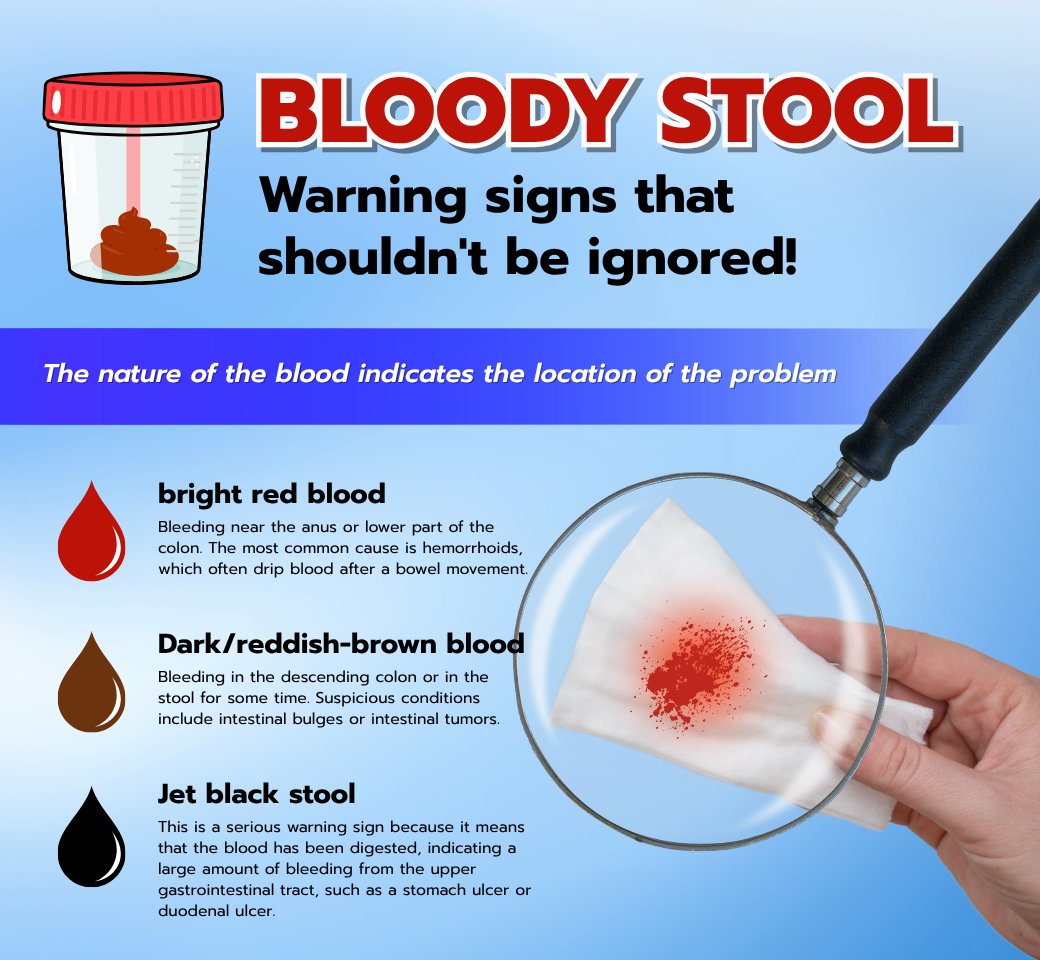
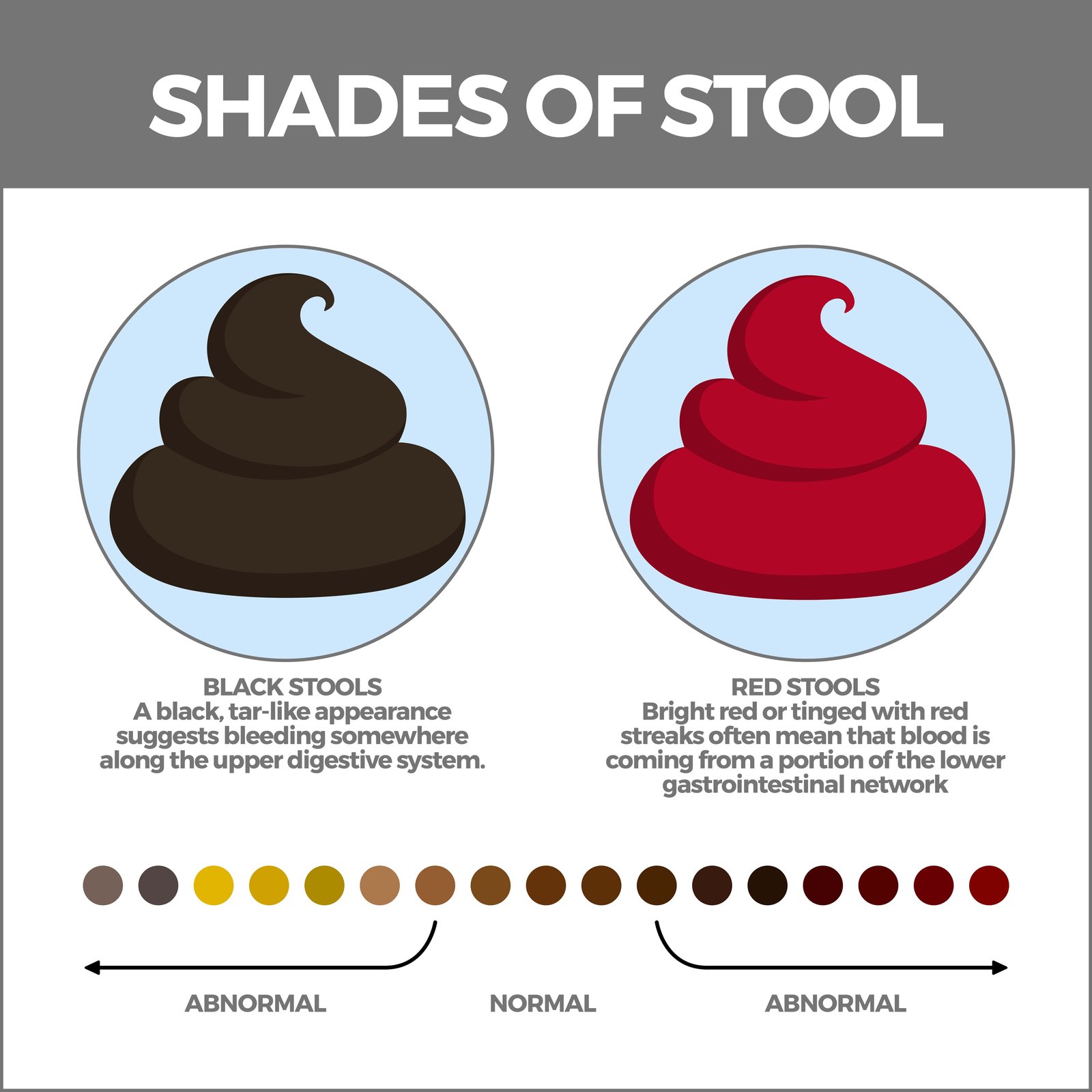
| Black, tar-like sticky stool | No | Suggests bleeding higher up in digestive tract. |
| Passing large maroon clots | No | Indicates rapid, heavy lower intestinal bleeding. |
| Mild spot on paper after wiping | With care | May be minor fissure, check with your clinic. |
| Eating red beets yesterday | Yes | Food dyes change stool color without real blood. |
What the risk actually is
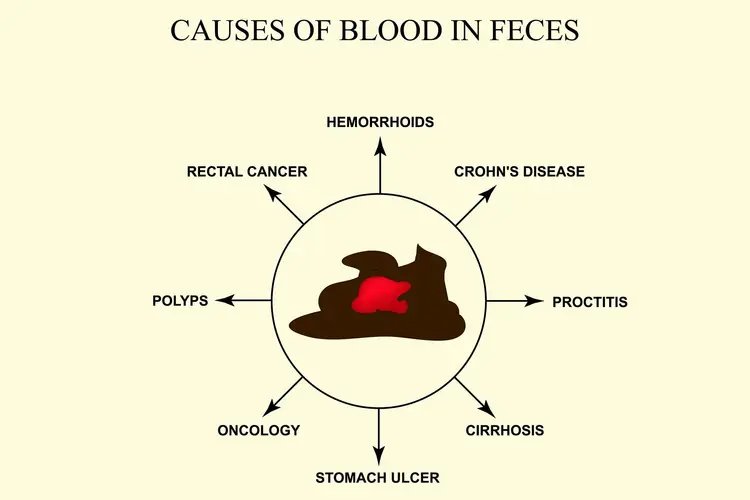
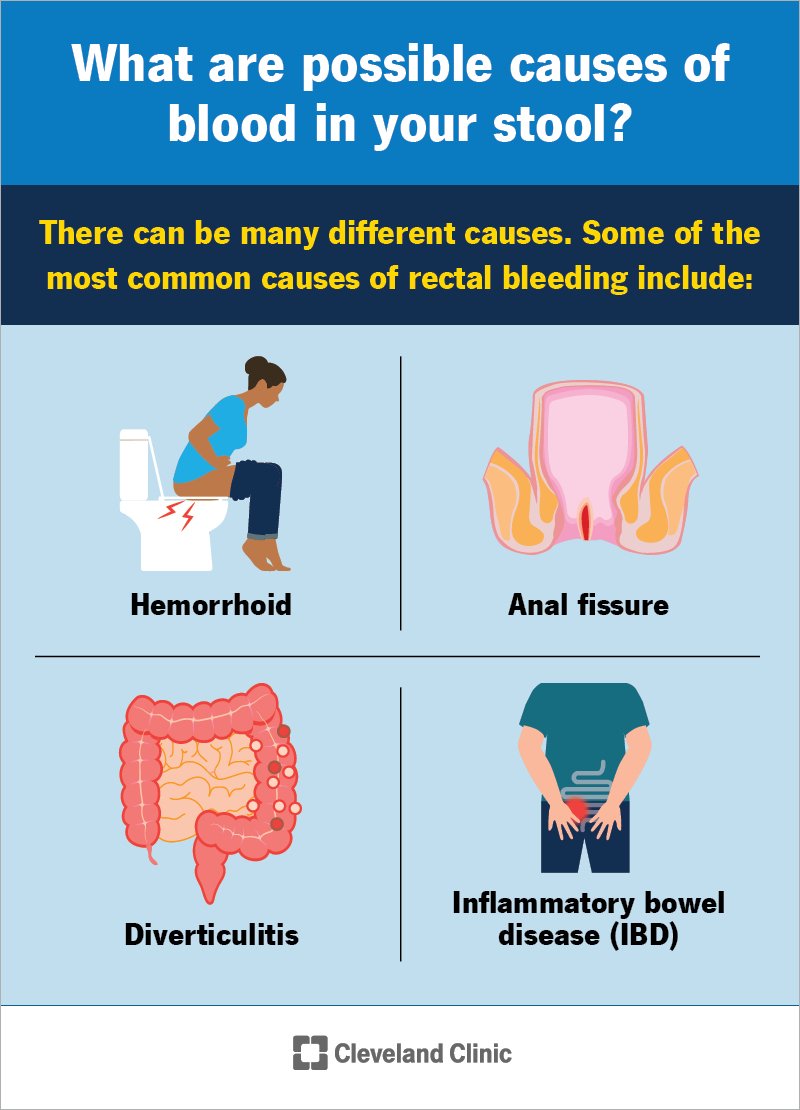
Bleeding into the bowl ranges from minor surface tears to life-threatening internal blood loss. Small amounts of bright red blood often stem from swollen hemorrhoidal veins or an anal fissure caused by constipation. However, internal bleeding can also signal ulcers, inflammatory bowel disease, or colorectal tumors. The National Institute of Diabetes and Digestive and Kidney Diseases explains that gastrointestinal bleeding is a symptom of a disorder rather than a disease itself.
A major mistake people make is assuming bright blood is always just a harmless hemorrhoid; this assumption delays cancer detection, which costs valuable treatment time. If bleeding happens higher in the digestive tract, stomach acid turns the blood dark brown or pitch black. This type of bleeding carries a severe risk of anemia, sudden drops in blood pressure, and shock. While fatal outcomes from minor rectal tears don’t happen, untreated major vascular lesions or advanced growths can become fatal quickly. This advice isn’t for people recovering from recent rectal surgery, who must follow their discharge sheet directly.
The signs to stop immediately
- Large jelly-like clots in the water show heavy vessel bleeding.
- Black, sticky stools indicate partially digested blood from higher up.
- Cold, clammy skin signals a dangerous drop in blood pressure.
- Sudden dizziness or confusion means your brain lacks adequate blood flow.
- A racing heartbeat while resting shows your heart is working too hard.
Stop monitoring this at home; call an emergency ambulance right away if any of these signs appear, because this requires hospital care.
The safer way to do it
- Check the bowl under bright bathroom lighting for 5 to 10 seconds to note if the water is pale pink or deep red.
- Inspect the toilet paper after one wipe to confirm whether the red color came from the rectum or your urine stream.
- Write down if the blood sits on top of the stool or mixes completely through the waste before you flush the toilet once.
- If your stool is soft, do nothing to force it; if stool is hard, drink 8 ounces of plain water to avoid further tearing.
- Take your pulse for 60 seconds using a watch; if it stays above 100 beats per minute at rest, stop and seek urgent care.
- Check your prescription bottles for blood thinners or aspirin, as these medications turn minor irritation into prolonged bleeding.
- Call your primary doctor’s office within 24 hours to describe the color, volume, and stool consistency you observed.
If it has already happened
Look at the toilet water right away, note the color, and check if you feel faint. Sit down on the floor for 2 minutes if your head spins, because fainting on hard tile causes head injuries. If you feel steady, clean yourself gently with warm water rather than rubbing dry paper over broken skin. You face a trade-off between the convenience of waiting at home and the certainty of a clinic visit, but a professional check remains essential. Note that bleeding triggers vary by person; always check the warning label on your pain relief pills. Once bleeding fills the bowl with pure red liquid or dizziness begins, self-care stops and hospital emergency teams must take over.
Frequently asked questions
Can hemorrhoids cause blood in the toilet?
Yes, swollen veins near the anus frequently bleed during bowel movements. They usually leave bright red streaks on the paper or drops in the water. While very common, you shouldn’t assume it’s just piles without an exam.
Why is my stool black and tarry?
Because digested blood turns dark as stomach acids break down hemoglobin. This condition, called melena, points to bleeding in your stomach or small intestine. It requires a doctor’s immediate attention to find the source.
How long does rectal bleeding last?
Healing times depend on your overall digestive health.
Is it safe to wait and see?
No, leaving visible blood unchecked carries real health risks. While a single small drop might resolve quickly, only a trained professional can rule out serious conditions. Call your doctor’s office for clear guidance.
What happens if you ignore blood in stool?
You risk letting hidden conditions worsen, ranging from chronic iron-deficiency anemia to undiagnosed intestinal growths. Early treatment prevents severe blood loss and catches dangerous diseases when they’re easiest to treat successfully.
Does red food dye look like blood?
Yes, eating large amounts of red beets, cranberries, or artificial food dyes turns stool red. However, food dyes won’t cause dizziness or leave bright blood streaks on tissue. If you aren’t certain, consult a doctor.
Final Thoughts
While it’s natural to feel anxious, remember that many causes are treatable and shouldn’t be ignored. Don’t let fear keep you from getting answers. Reach out to your doctor this week to discuss your concerns; you’ll feel much better once you’ve taken that first step toward peace of mind.
Related guides
- Is It Safe to Use Toilet During Thunderstorm: Expert Advice
- What Happens If a Person Eats Toilet Paper: Risks and Advice
- How to Remove Urine Scale from Toilet Bowls Quickly