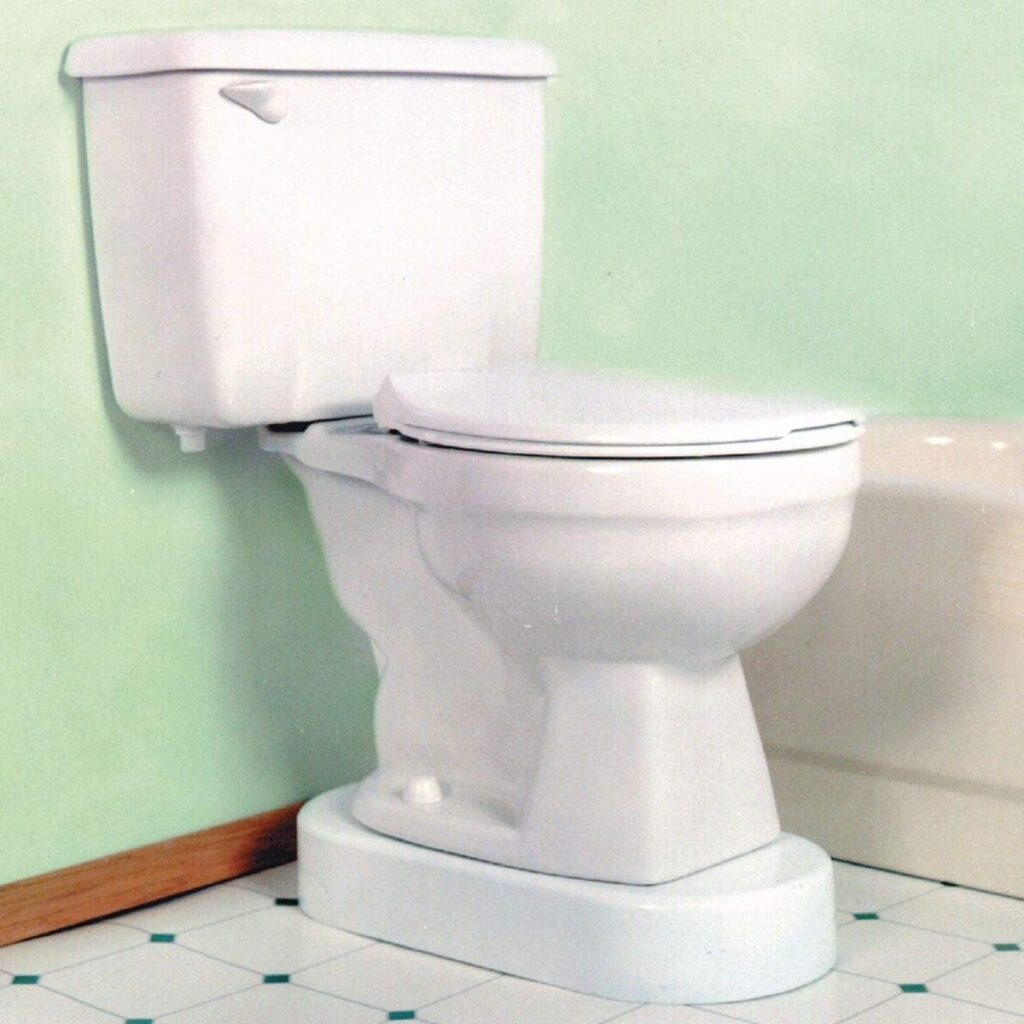
A pressure-assisted unit uses trapped air to blast waste down the drain with great force; these systems are ideal for large households and commercial spaces with repeated clog issues. Water enters an airtight inner tank, compressing air like a squeezed balloon. When you push the handle, that trapped air forces the water into the bowl instantly, clearing everything in one loud, powerful push.
Table of Contents
How a high pressure flush toilet works

| Part or input | What it does | What you notice when it goes wrong |
|---|---|---|
| Pressure vessel | Holds trapped air and water under line pressure | Weak flush or water leaking into tank |
| Cartridge valve | Releases the pressurized water charge into bowl | Water runs continuously into the toilet bowl |
| Supply line | Delivers pressurized water from home plumbing system | Tank fills very slowly or stays empty |
| Flush actuator | Trips the cartridge valve when handle pushes | Handle feels loose and nothing flushes |
| Bowl jet | Directs high-velocity stream straight toward trapway | Waste swirls around instead of pushing out |
What happens, step by step
- Household water enters the sealed inner plastic vessel through the supply inlet at 25 to 60 pounds per square inch of line pressure, taking 60 to 90 seconds to fill.
- Incoming water rises inside the sealed chamber, compressing the pocket of trapped air at the top into roughly one-third of its original volume until pressure balances the supply line.
- You depress the trip lever, which lifts the internal cartridge valve stem about a quarter of an inch, opening a wide pathway down toward the bowl.
- The compressed air expands instantly, driving roughly 1.0 to 1.6 gallons of water through the discharge manifold in under two seconds.
- High-velocity water enters the rim holes and the bottom jet, blasting waste and water outward through the trapway at roughly three times the flow rate of standard gravity drainage.
- The cartridge valve snaps shut over the vessel opening as water empties, sealing the chamber so fresh air can enter through the small regulator valve.
- Fresh water begins entering the inner tank again, refilling the chamber while a small bypass tube directs water into the bowl to restore the protective sewer gas trap seal.
Why this matters when something goes wrong

A pressure-assisted toilet clears waste using force rather than water weight. When a standard toilet fails, people reach for a plunger because low velocity caused a pipe clog. With a pressure vessel, a weak flush usually means your home’s water supply pressure dropped below 25 pounds per square inch, leaving the vessel unable to compress its air pocket fully.
A common mistake is buying standard flapper parts at the store to fix running water, which costs money because pressure vessels don’t use flappers at all. Replacing the wrong seals won’t stop the leak. You must test the internal cartridge instead. The trade-off for this massive clearing power is sound: the sudden release of pressurized air creates a loud whoosh that echoes through quiet hallways.
Who this isn’t for: light sleepers, basement bathrooms with old fragile cast iron pipes, or homes with low well pressure. If water trickles constantly into your bowl, the cartridge valve needs replacement. If the tank makes no sound after flushing, your incoming line pressure is too low. If you have older plumbing, the sudden surge can stress weak pipe joints.
What you can change, and what you cannot
What you can control
- Adjust the incoming water shutoff valve to ensure full flow into the vessel.
- Replace the flush cartridge assembly using a simple wrench when water runs continuously.
- Set the handle linkage clearance so the lever doesn’t pull the cartridge partially open.
What is fixed by design
- The loud whoosh sound during discharge can’t be muffled or silenced.
- The volume of the internal pressure tank is factory-sealed and non-adjustable.
- The flush duration stays under two seconds because compressed air empties the chamber instantly.
This varies by model—check the label inside the porcelain tank. If your home water line delivers less than 20 pounds per square inch, stop work and consult a licensed plumber to test your pressure regulator.
Getting more out of it
If your household experiences frequent clogs, switch to single-ply paper or install a pressure unit to prevent back-ups; if your pipes are old galvanized steel, keep a standard gravity toilet instead. Check your home’s water line pressure with a cheap gauge on an outside spigot; it must stay above 25 pounds per square inch for the chamber to recharge.
Never drop chemical bleach tablets inside the porcelain tank, as chlorine vapors degrade external plastic nuts and supply hoses over time. Many models meet the strict water efficiency limits outlined by the EPA WaterSense program, saving thousands of gallons yearly. Check the cartridge seal annually for grit by turning off the water, unscrewing the central valve, and rinsing it under a faucet.
Frequently asked questions

Can a pressure flush toilet explode?
No, modern pressure vessels feature built-in relief valves that vent excess air safely. Older models made in the 1990s suffered rare structural failures, but current designs use reinforced composite vessels that comfortably handle household water surges without splitting or bursting.
Why is my high pressure toilet so loud?
The loud noise happens because trapped air forces water out in less than two seconds. That rapid release creates an acoustic whoosh through the bowl, unlike a gravity toilet that lets water fall silently down an open drain over several seconds.
How long do pressure assist cartridges last?
About five to eight years under normal household use. Hard water minerals can shorten this timeline by scratching internal rubber O-rings, while clean municipal water helps the internal moving seals survive past a decade before needing a replacement cartridge.
Is it safe to use a plunger on one?
Yes, but you’ll rarely need one because the water jet clears waste easily. If a mechanical blockage occurs, plunge gently so you don’t push sudden backpressure through the bowl jet and against the internal discharge seal.
What happens if my home loses water pressure?
The toilet won’t flush properly once water pressure drops below 20 pounds per square inch. Without incoming line pressure, the vessel can’t compress air, leaving you with only a sluggish, half-empty trickle until main pressure returns.
Does it matter what toilet paper I buy?
No, the concentrated air-driven flush breaks apart and propels any brand of toilet paper easily. You don’t need to buy thin, rapid-dissolving rolls because the high-speed jet forces thick paper straight through the trapway without snagging.
Final Thoughts
If you’re tired of reaching for the plunger, upgrading to this technology is a smart move for your home. It’ll save you plenty of frustration in the long run. Talk to a local plumber today to see if your current pipes can handle the extra power before you make the switch.
Related guides