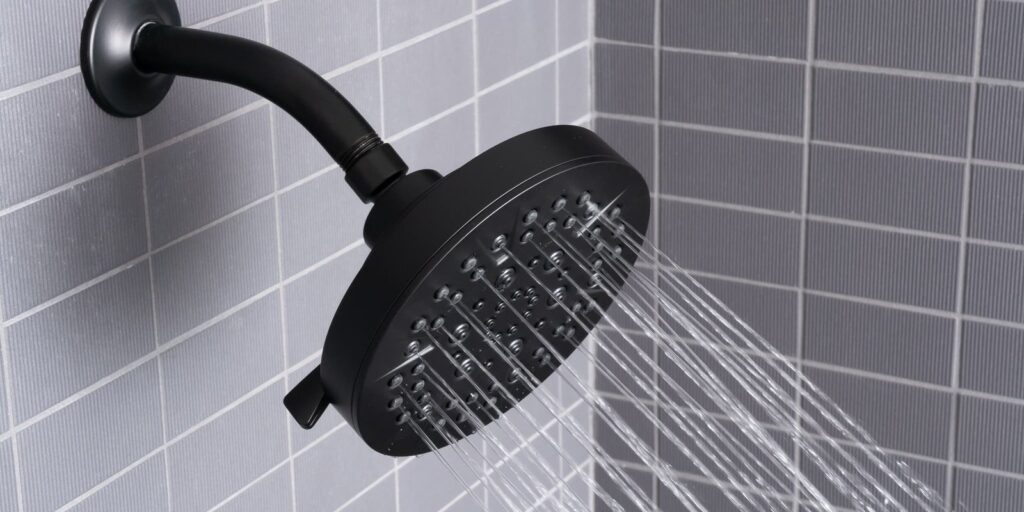
The best option for weak water lines is a compact single-spray brass nozzle because its narrow chamber forces low flow into a dense, hard stream. In this small shower head high pressure my complete review, the concentrated single-spray model beats wide multi-setting units every time, unless you need a wide rinse area for bathing children or pets.
Table of Contents
Comparing small high pressure shower heads

Choosing the right design depends on your home water volume, how much spray width you want, and how quickly you need it set up.
| Method | How long | Effort | Cost | Best for |
|---|---|---|---|---|
| Compact brass nozzle | 10 minutes | Low | Medium | Weakest household water lines |
| Air-induction head | 10 minutes | Low | Medium | Wider coverage with punchy droplets |
| In-line booster pump | 2 to 3 hours | High | High | Whole-house plumbing restrictions |
Compact Solid Brass Jet
A dense single-spray nozzle fixes weak flow by squeezing the stream through fewer, smaller holes.
- Turn off your shower tap and wrap standard 1/2-inch plumbing threads with 3 clockwise wraps of white thread seal tape.
- Thread the compact brass nozzle onto the shower arm by hand until it feels firm.
- Tighten it another half-turn using an adjustable wrench padded with a cloth to protect the finish.
- Run the water for 30 seconds to confirm the joints don’t drip.
This setup builds intense velocity from trickle lines because it cuts the spray face down to about 1 to 2 inches wide. It will last for decades since solid brass resists cracking and lime buildup far better than plated plastic. The main trade-off is coverage: you trade a wide, gentle rain pattern for a tight, piercing jet that only hits one spot at a time. This design isn’t for anyone who hates a narrow stream.
Air-Injection Compact Spray Head
Air-injection units mix ambient air into the water chamber to expand droplet size without needing extra water volume.
- Unscrew your current fixture and scrub the pipe threads clean with an old toothbrush.
- Apply 3 layers of thread tape over the pipe threads to prevent side spraying.
- Screw the air-induction head onto your shower pipe by hand until snug.
- Turn the shower on to high heat for 1 minute to clear trapped air pockets from the faceplate.
These models give you a wider, softer rinse that still feels firm on your skin. They feel like a standard full-size shower head while fitting into tiny stalls. However, pulling room-temperature air into the stream drops the water temperature slightly before it hits your skin, meaning you’ll need to turn your hot tap a little higher than usual.
Inline Booster Pump Installation

When the issue is low pressure throughout the home rather than a clogged fixture, an electric inline booster pump increases overall line velocity.
- Shut off the main water shutoff valve to the bathroom or the whole house.
- Cut into the cold or hot supply line feeding the bathroom using an appropriate pipe cutter.
- Mount the brass pump housing using the supplied copper compression fittings and tighten with two wrenches.
- Plug the unit into a dedicated GFCI electrical outlet and turn your water supply back on to test line seals.
This approach gives you genuine, measured water force across every fixture rather than simply faking it with narrow pinholes. The weakness is the work required. If plumbing cuts and electrical hookups sound difficult, hire a licensed plumber so you don’t flood your subfloor or void local building permits.
A fourth alternative is drilling out the internal plastic flow limiter in a cheap fixture, but this often ruins internal seals, wastes hot water, and yields noisy, uneven streams.
Which one should you use?
If you’re in a hurry, grab a compact solid brass nozzle because you can screw it on in ten minutes using just basic hand tools.
If you’re doing this for the first time, install a compact air-injection head because it screws on easily and keeps a familiar shower spray shape without stinging your skin.
If you want the best possible result whatever it takes, plumb an inline booster pump directly into the supply pipe to raise line force across the entire room.
Your basic trade-off comes down to spray width versus force: tiny nozzles make water hit hard by narrowing the spray pattern, while mechanical pumps boost velocity across any fixture style you want.
The rules that apply whichever way you choose
Always check your local flow rules before buying. In the United States, shower fixtures must follow federal energy standards verified under the EPA WaterSense program specification, which caps output at 2.0 gallons per minute (or 1.8 gpm in states like California).
Before you install anything, clear the shower pipe. Run the bare arm for 15 seconds to flush rust flakes out of the wall. When tightening metal threads, never twist past hand-tight plus one half-turn; over-tightening cracks plastic housings and distorts internal rubber washers, causing slow hidden leaks inside the wall. If you notice leaks behind your tile or hear pipe knocking, call a licensed plumber to inspect the pressure regulator valve on your main supply.
Frequently asked questions

Can a small shower head increase low water pressure?
No, a shower head can’t raise actual plumbing pressure. It only increases the exit speed of the water. By forcing the same volume through tiny holes, the stream leaves the faceplate faster, which makes weak household lines feel much firmer against your skin.
Why does my high-pressure shower head make a whistling sound?
A whistling sound happens when water rushes past a loose rubber gasket or through an air-intake vent. If your model uses air injection, some hissing is normal. If it’s a basic brass nozzle, take it off and reset the internal washer flat against the pipe.
What happens if you remove the flow restrictor?
Removing the flow restrictor increases the gallons per minute coming out of the head. Your water will feel slightly fuller, but your water heater tank will empty faster, potentially running out of hot water during your shower., and you might cause water leaks around older slip-joint pipes behind your bathroom wall.
Is a high-pressure shower head safe for old plumbing?
Yes, screw-on fixtures are completely safe for old pipes because they don’t change the standing pressure inside the wall. The backpressure against your plumbing stays well below municipal supply limits. If you install an electric booster pump, have a professional check pipe joints first.
How do you remove hard water build-up from small nozzles?
Soak the nozzle face in a bowl filled with standard white household vinegar for about 60 minutes. The mild acid dissolves calcium and lime crust without damaging the metal. Rinse it with warm water and scrub gently with a soft toothbrush before turning the shower back on.
Final Thoughts
If you’re tired of a weak, dribbling spray, switching to a compact brass model is the quickest way to upgrade your morning routine. Don’t settle for a frustrating rinse any longer. Just grab a wrench, swap out your old unit this weekend, and you’ll finally enjoy a powerful, refreshing shower.