
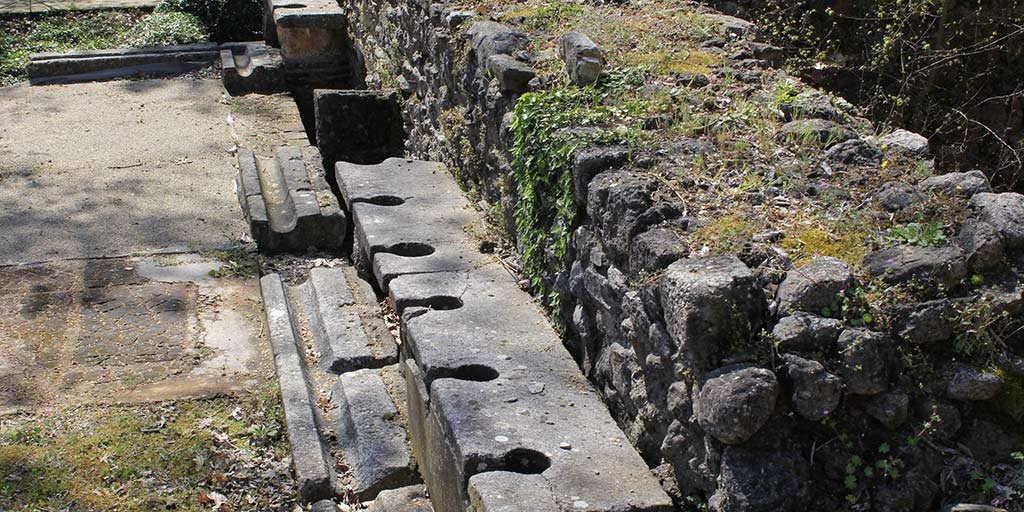
You can’t flush toilet paper in Greece because the plumbing pipes are roughly two inches wide and will clog almost instantly.
Table of Contents
Why you cant flush toilet paper
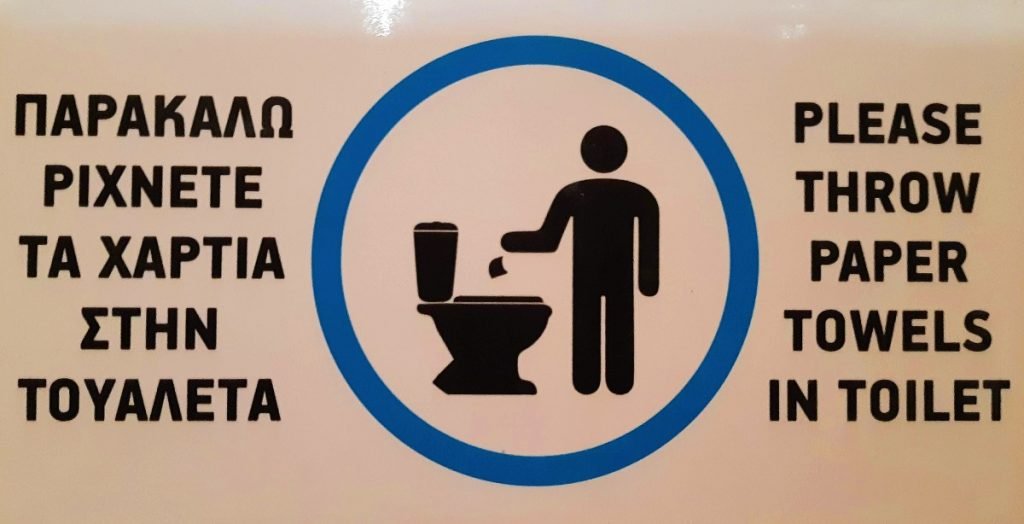
Greek sewer systems rely on narrow waste pipes, typically around 50 millimeters wide, compared to standard 100-millimeter pipes used across Northern Europe and the United States. Many municipal systems across the islands and historic mainland centers were installed decades ago without the gradient or water volume needed to break down solid pulp. Toilet paper doesn’t dissolve fast enough to clear these tight bends, especially when buildings rely on delicate private septic tanks that fill quickly. The European Environment Agency wastewater data shows that smaller, isolated coastal networks face unique infrastructure pressures during high-density travel periods. When paper snags on internal pipe joints, it traps subsequent solids behind it until dirty water overflows the bowl onto the bathroom floor.
Use the bathroom bin correctly
This method is for every traveler staying in hotels, villas, or public spaces throughout the country. Fold the paper so the clean side stays outward, step on the bin’s foot pedal to open the lid, drop the waste inside, and release the pedal to keep the lid shut. Most Greek accommodations provide small plastic bags inside these bins to keep things clean. You’ll know it worked because the bowl drains completely clear on the first flush and the room remains free of odors. This habit is an adjustment for many travelers, but the trade-off is avoiding an embarrassing plumbing mess in your room. If the bin lacks a liner, ask the host for spare trash bags immediately rather than using the bowl.
Clear an accidental shallow paper blockage
This fix is for an accidental flush of one or two sheets where water drains slowly but doesn’t spill over. Don’t flush a second time, as that fills the bowl to the brim. Fill a standard bathroom water pitcher or small waste bin with warm tap water—never boiling water, which can crack porcelain fixtures—and pour it from waist height directly into the drain hole. The added weight of the falling water helps push minor paper through the first bend. You’ll know it worked when the water level drops back to its normal resting point with a quiet gurgle. If water starts creeping toward the rim, stop immediately and locate the property manager.
Call maintenance for deep drain backups
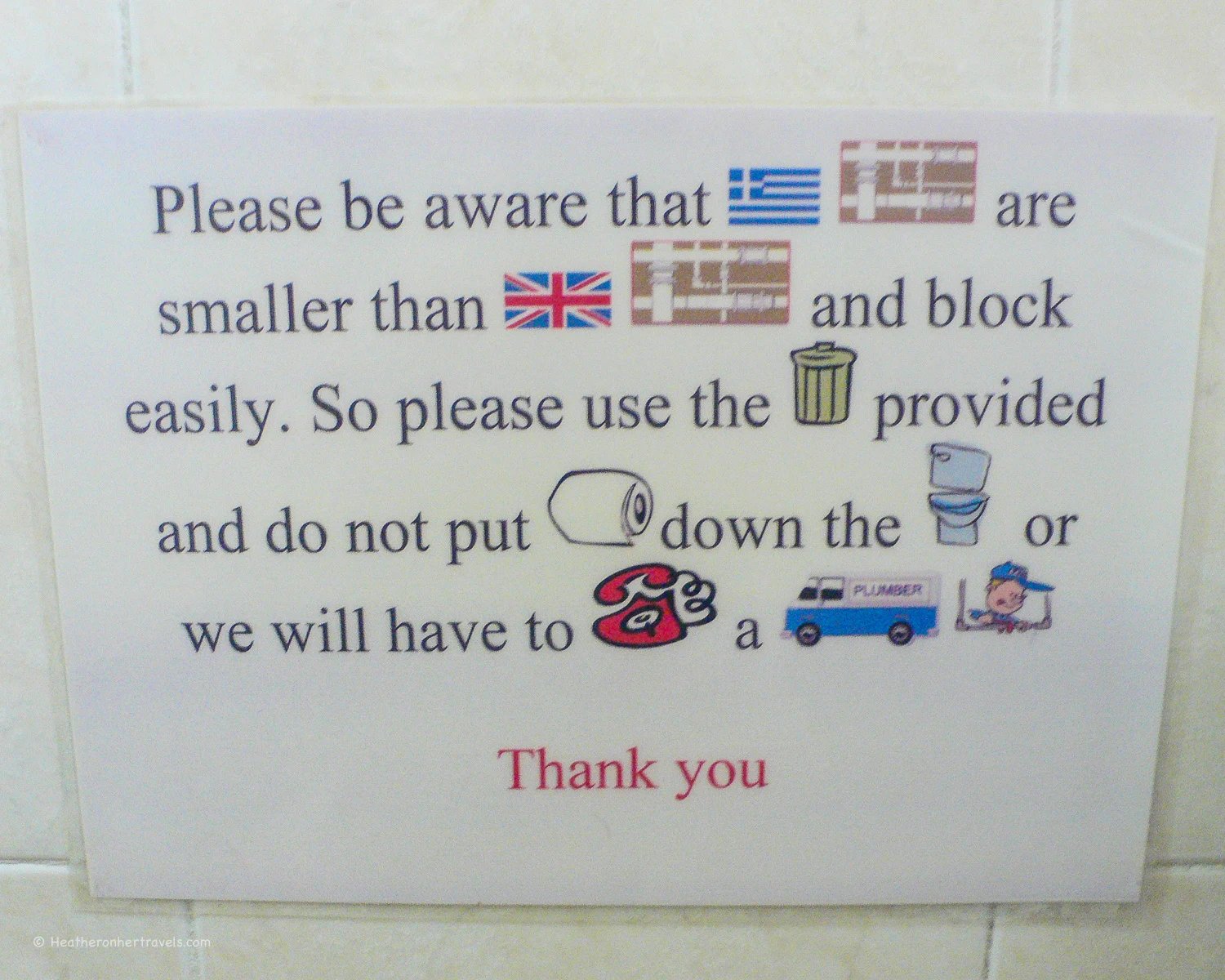
This step is for completely blocked pipes where dirty water sits stagnant or starts backing up into the shower drain. When a plunger fails to clear the water within three firm pushes, stop trying. Pushing harder can burst old joints behind the bathroom wall tiles. Dealing with main sewer line blockages requires a plumber’s drain snake or mechanical pump that visitors can’t safely operate. Inform the hotel desk or your host right away so they can send a licensed professional. Mistakes like trying to snake narrow pipes with wire hangers cost people their security deposits when older plastic joints crack under pressure.
What not to do
- Don’t flush wet wipes, tampons, or facial tissues under any circumstances, because non-woven fabrics don’t break down in water and create solid obstructions instantly.
- Don’t keep pressing the flush handle when the water level rises, which causes sewage to flood over the rim onto the floor.
- Don’t pour chemical drain cleaners down the toilet without landlord approval, since harsh chemicals corrode older plastic pipes and ruin private septic bacteria.
- Don’t hide used paper behind fixtures or in standard room bins that lack tight-fitting lids.
How to stop it happening again
Adapting to local waste rules takes a day or two of conscious habit-building.
| If you’re doing this | Do this instead | Why |
|---|---|---|
| Dropping paper in the bowl out of habit | Place paper straight into the lidded pedal bin | Narrow Greek drainpipes clog on tiny paper loads |
| Packing heavy wet wipes for travel | Pack water-soluble wipes or use the handheld bidet sprayer | Synthetic fibers bind to grease and never dissolve in septic tanks |
| Worrying about bad odors in the room | Tie off full bin liners daily and leave them for housekeeping | Trapped air in sealed bags stops smells from escaping |
| Visiting remote island tavernas | Keep a pocket pack of tissues and a spare disposal bag | Remote village pipes block faster than modern urban networks |
This routine isn’t for travelers who refuse to use pedal bins, who should seek out modern international resort chains that advertise upgraded plumbing stacks. Keep in mind that system tolerances vary by building age—check the bathroom wall sign before flushing anything.
Frequently asked questions
Can you flush toilet paper anywhere in Greece?
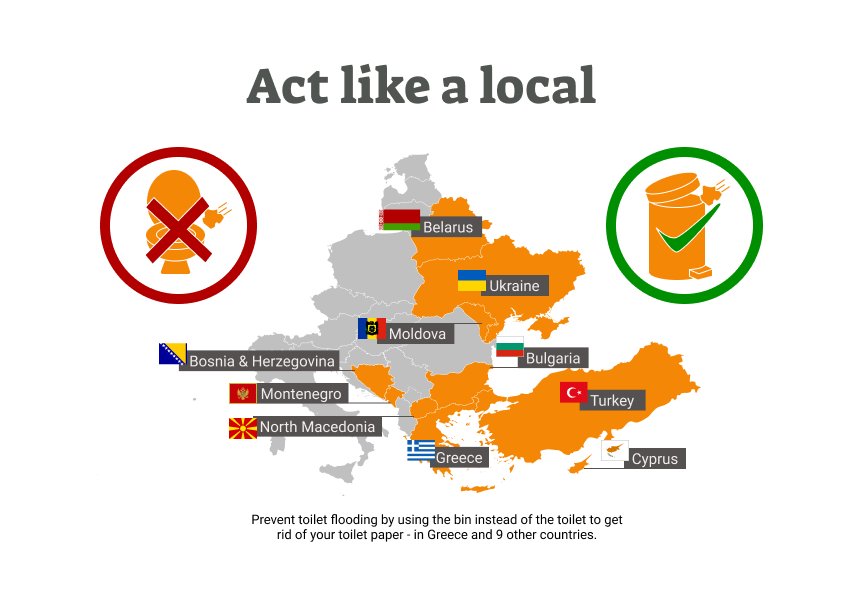
No, you can’t flush paper in the vast majority of Greek restrooms. While a few ultra-modern luxury resorts build their own heavy-duty private treatment systems, almost every standard hotel, restaurant, and apartment building requires you to use the provided pedal bin instead of the toilet.
What happens if you accidentally flush toilet paper in Greece?
Nothing bad will happen if it’s only a single sheet, as it usually washes through the immediate bend. If you flushed a large wad, watch the bowl closely; if the water rises without draining, report the clog to staff before it causes an overflow.
Why do Greek pipes clog so easily?
Greek pipes clog easily because their standard diameter is only 50 millimeters, which is half the width of typical Western drains. These narrow lines can’t handle expanded paper pulp, especially with low-flow flush systems that lack the water volume to push solid waste through long, shallow runs.
How do you dispose of sanitary products in Greece?
Wrap sanitary pads or tampons securely in toilet paper or a dedicated disposal pouch, then place them directly into the bathroom trash bin. You should never flush feminine hygiene products in any country, but in Greece, doing so guarantees an immediate, expensive blockage in the building’s drainage stack.
Does Athens have the same toilet paper rules as the Greek islands?
Yes, most neighborhoods in Athens follow the exact same paper-in-bin rule as the islands. Although Athens operates modern municipal wastewater plants, the individual apartment buildings connecting to those city sewers still feature older, narrow pipes that easily trap paper before waste reaches the main street line.
Final Thoughts
It’s a simple adjustment that’ll quickly become second nature during your travels. Just remember to use the provided bin next to the toilet for your paper. Once you’re in the habit, you won’t even have to think about it, and you’ll keep the local pipes flowing smoothly for everyone else.
Related guides
- What to Do When You Dont Have Any Toilet Paper: 3 Easy Fixes
- What Is a High Pressure Flush Toilet and Who Should Use One
- What Happens If Everyone Flushed the Toilet at the Same Time






