
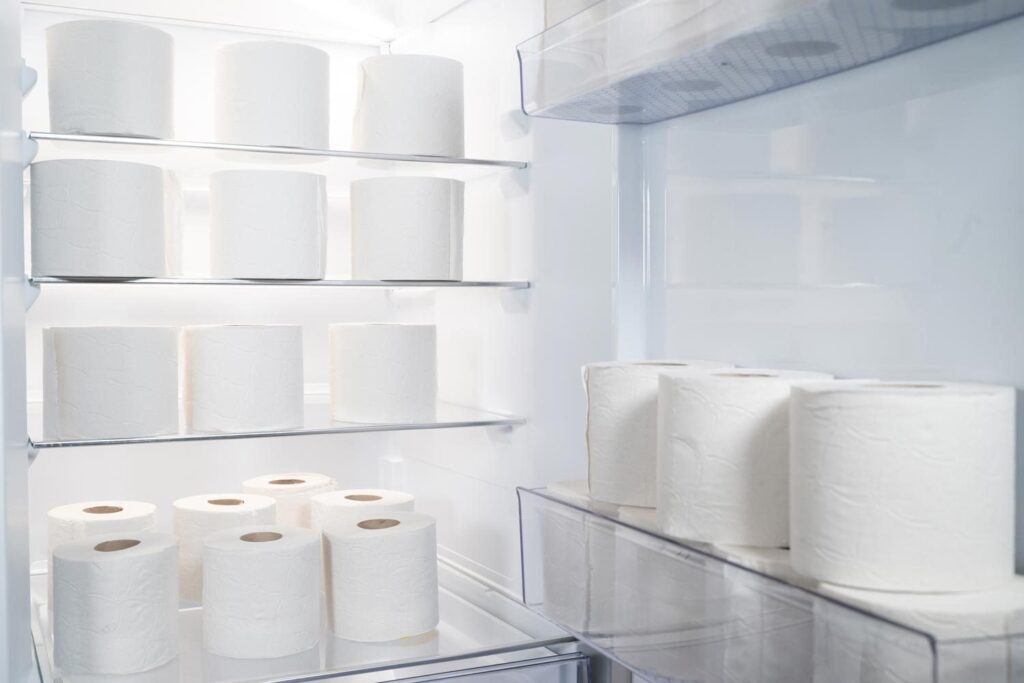
Why do people put toilet paper in the refrigerator? It’s a viral trick for absorbing lingering odors and excess moisture. Porous cellulose fibers pull damp air and food smells inside the roll. However, it’s an inefficient fix that wastes a paper product and fails if your appliance has a mechanical defect or spoiled food.
Table of Contents
Why people put toilet paper in the refrigerator
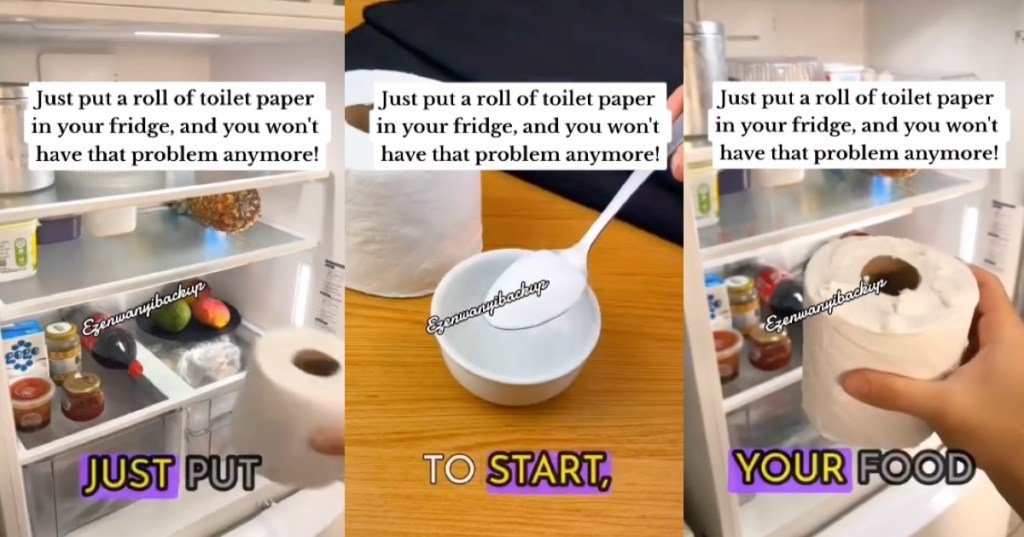
- Cellulose paper fibers pull in airborne humidity and light food smells, but only while the paper stays dry.
- Leaving damp paper inside your appliance attracts mold spores over time instead of fixing the root problem.
- Baking soda costs less, takes up less shelf room, and neutralizes odors chemically rather than simply trapping them.
- If spoiled food caused the smell, clear out the shelves and sanitize them with warm water and mild soap.
- Persistent foul odors paired with warm temperatures point to a failed seal or a broken mechanical part.
Safety: Inside a mains-powered machine, the parts behind the outer cover can hold a dangerous electrical charge even after it has been unplugged — that’s why they sit behind a cover. Opening the housing, or testing or replacing anything behind it, is a job for a qualified technician, never a home repair.
Why cellulose fibers trap refrigerator humidity
Porosity explains the viral trend. Toilet paper consists of short cellulose fibers woven together loosely to ensure softness and fast breakdown in water. This open weave gives the roll a massive interior surface area. In a chilled, enclosed space, water molecules and volatile airborne odor compounds naturally settle onto porous materials. The paper pulls in excess moisture, which helps dry out humid air where smells linger.
It acts like a sponge, but it doesn’t neutralize acidic or alkaline odor molecules. It only holds them physically within its fibers. The trade-off is clear: you lose an entire roll of paper to gain minor moisture control, and the roll becomes unusable for hygiene once exposed to raw food storage. For real safety, safe food storage requires proper temperature control rather than paper hacks. According to the USDA refrigerator food storage guidelines, keeping your refrigerator at or below 40°F stops bacterial growth that causes bad odors in the first place. This trick isn’t for people dealing with rotten meat leaks or chemical smells; those require deep cleaning or appliance repairs.
When the answer is different
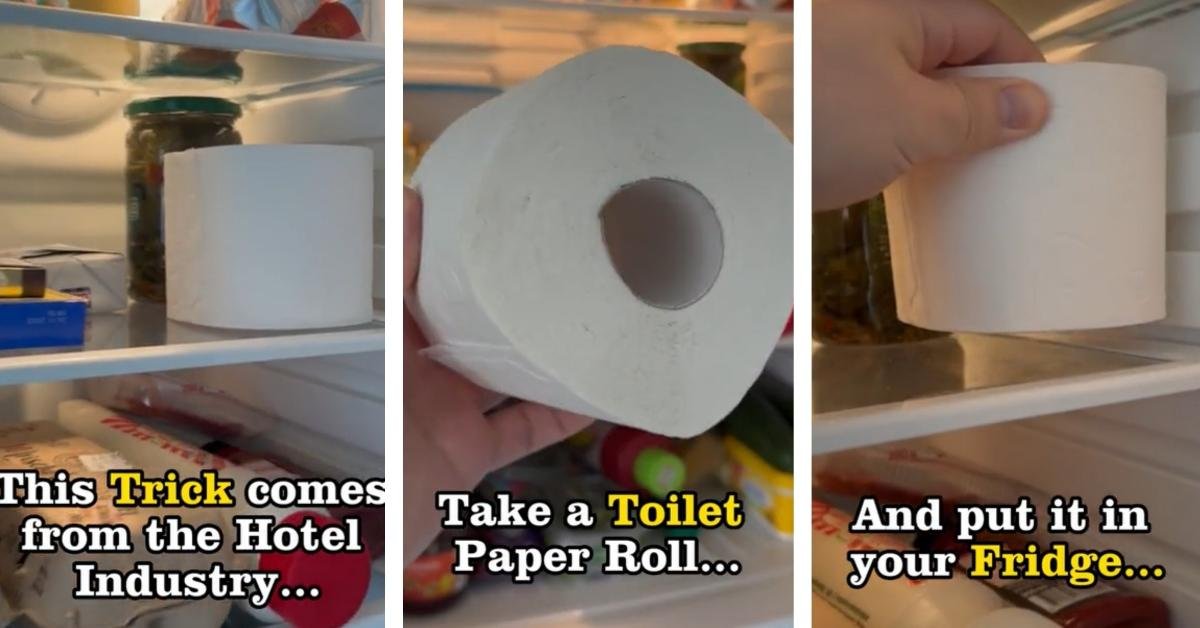
The quick paper trick fails under many common household conditions.
| Situation | What changes | What to do instead |
|---|---|---|
| Rotten meat spill | Bacteria soaked into plastic | Wash bins using warm soapy water |
| Damaged door gasket | Warm air enters constantly | Replace the rubber door seal |
| High mold growth | Paper roll collects spores | Wipe walls down with vinegar |
| Chemical burning smell | Electrical component is failing | Unplug unit and call a technician |
| Clogged defrost drain | Standing water pools underneath | Flush drain line using warm water |
| Long-term odor control | Paper saturates within weeks | Keep an open baking soda box |
How to do it properly
- Check the cabinet temperature with an appliance thermometer to ensure it stays between 35°F and 38°F before treating smells.
- Inspect every shelf, bin, and drawer, throwing out any expired produce, dairy, or spoiled leftovers immediately.
- Remove plastic storage bins and wash them in the sink with warm water and two tablespoons of mild dish soap.
- Wipe the interior plastic walls using a clean microfiber cloth dipped in equal parts warm water and white distilled vinegar.
- If you choose to use toilet paper, place one fresh, unscented roll upright on the middle shelf away from walls.
- Check the roll regularly; if the paper feels soft or damp to the touch, throw it into the trash.
- Swap the paper roll for an open 8-ounce box of baking soda placed in the back corner for long-lasting odor control.
The mistakes that ruin it
- Using scented toilet paper transfers artificial floral chemicals directly into unsealed butter, milk, and cheese.
- Putting a roll directly against the back interior wall causes it to freeze solid, which costs you airflow and ruins absorption.
- Leaving a damp roll on a shelf for months creates a breeding ground for mold, resulting in wasted food and extra cleaning.
- Relying on paper to mask a foul smell ignores spoiled food, which risks foodborne illness.
Frequently asked questions
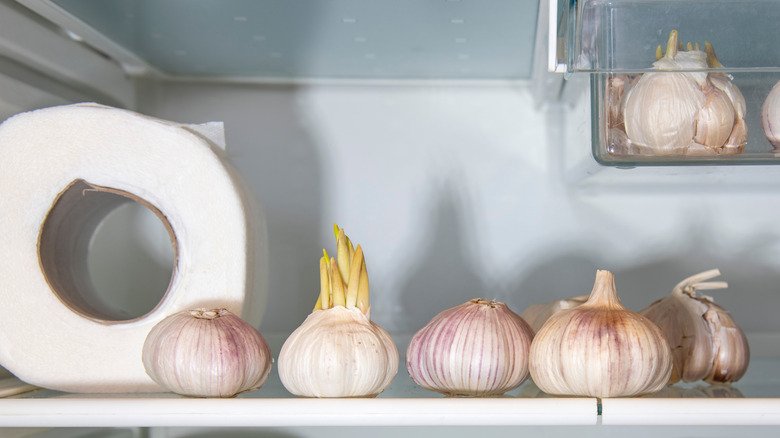
Can toilet paper absorb odors in the fridge?
Yes, toilet paper absorbs light odors by drawing in smelly moisture from the air. The loose cellulose fibers act like a mechanical trap for airborne dampness. However, it doesn’t neutralize strong odors chemically, so it stops working once the fibers get fully saturated with moisture.
How long does a roll of toilet paper last in the fridge?
If your refrigerator has poor airflow or high humidity, the roll will become soft and damp in less than two weeks. Once the outer sheets feel limp, the paper can’t hold any more moisture and you must throw it out.
Is it safe to put toilet paper in the refrigerator?
Yes, it’s safe as long as the paper is clean, plain, and completely unscented. Keep it away from raw meat and dripping containers to prevent cross-contamination. Never use scented or lotion-treated toilet paper, because those synthetic fragrances quickly absorb into exposed dairy products, eggs, and leftover food.
What happens if the toilet paper gets wet?
It stops absorbing smells and can start growing mold spores. Wet paper in a dark, cool space breaks down slowly and creates musty smells instead of eliminating them. If a roll gets wet from a spill or heavy condensation, throw it away immediately and wipe down the shelf.
Does baking soda work better than toilet paper?
Yes, baking soda works much better because it chemically neutralizes both acidic and basic odor particles. Toilet paper only traps moisture physically. A single open box of baking soda also takes up far less shelf space and remains effective without getting soggy.
Why does my fridge smell even with toilet paper inside?
The smell continues because the real source hasn’t been cleaned out. Toilet paper can’t hide smells from spoiled food, rotten produce trapped in crisper drawers, or bacteria growing in the drip tray. This varies by model — check the label or manual to locate and clean your defrost drain.
Final Thoughts
Instead of relying on paper rolls, it’s better to keep your fridge clean by tossing out old leftovers regularly. You shouldn’t count on quick hacks to fix a smelly appliance. If odors persist, try placing an open box of baking soda on a shelf; it’s a much more reliable way to freshen things up.






