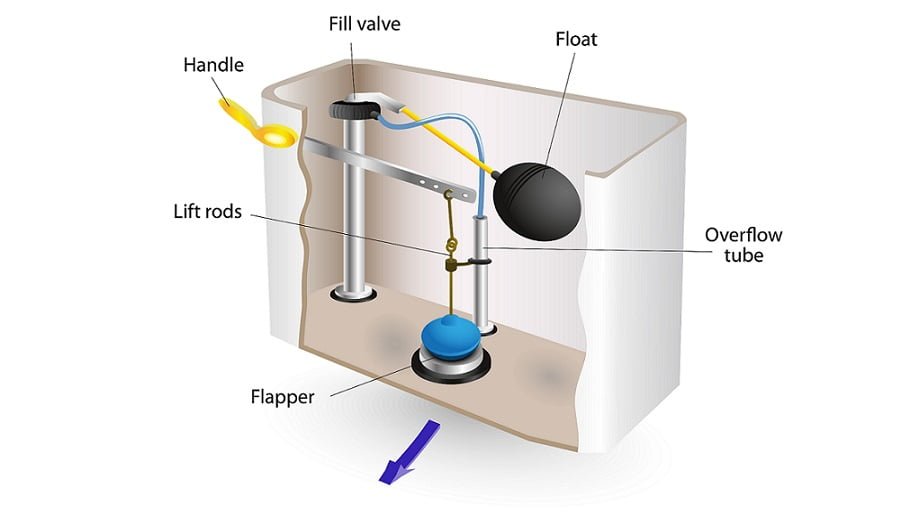
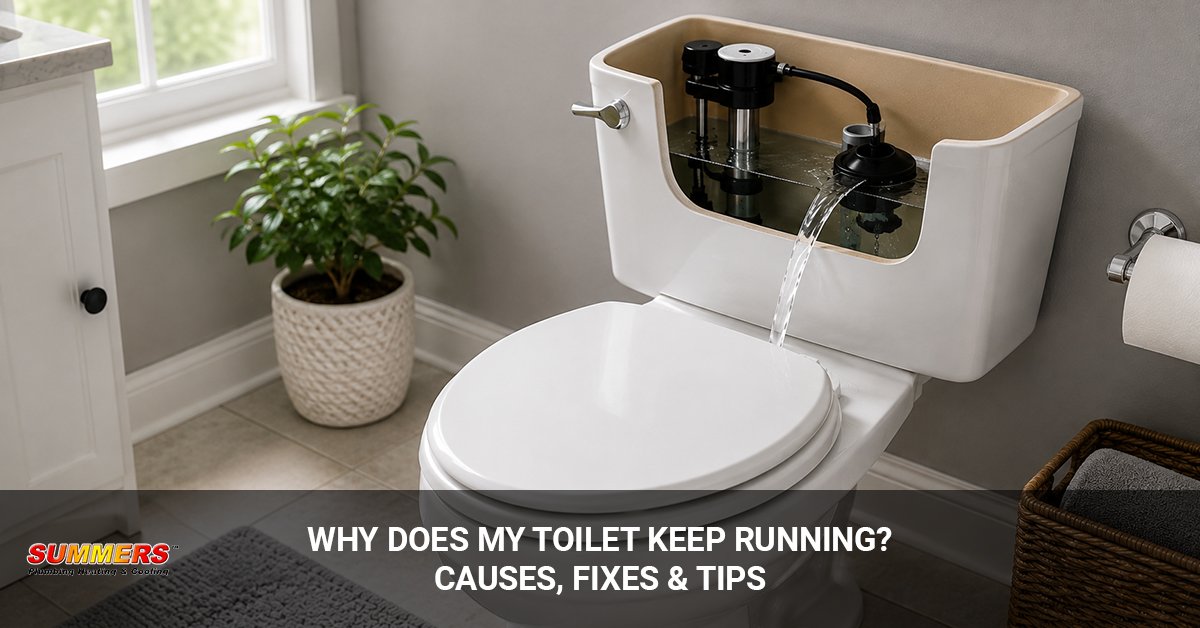
To solve a toilet that keeps running after flushing, reseat the rubber flapper over the tank drain hole or lower the float height. The primary reason this happens is an imperfect seal at the bottom of your tank, which allows water to trickle down into the bowl continuously while the fill valve stays open.
Table of Contents
Reasons your toilet keeps running after flushing
A running toilet usually comes down to three physical parts inside the tank. First, the rubber flapper gets warped, stiff, or coated in mineral scale over time. When it can’t lay flat against the drain seat, water leaks into the bowl. Second, the float valve is set too high. If the float rises past the top of the overflow tube, incoming water spills into the hollow pipe forever. Third, the fill valve assembly can wear out internally so it never shuts off the incoming supply, even when the float reaches its peak. According to the EPA WaterSense guide on fixing leaks, silent toilet leaks can waste thousands of gallons of clean water in a single home over an average year.
Check and adjust the rubber flapper
This fix is for toilets where you hear water trickling into the bowl every few seconds. Take the lid off the tank and look down at the bottom. You’ll see a rubber flap attached to a small chain. If the chain is too tight, it holds the flap open; if the chain is tangled, loosen it so it has about a half-inch of slack. If debris or mineral grit covers the rubber, wipe the rim clean with a damp cloth. You know it worked when you flush the toilet, the flap drops firmly over the opening, and the bowl stops rippling. However, this isn’t for people with cracked porcelain or hidden in-wall tank systems. Those setups require special access tools, so contact a certified plumber instead.
Lower the tank water fill level
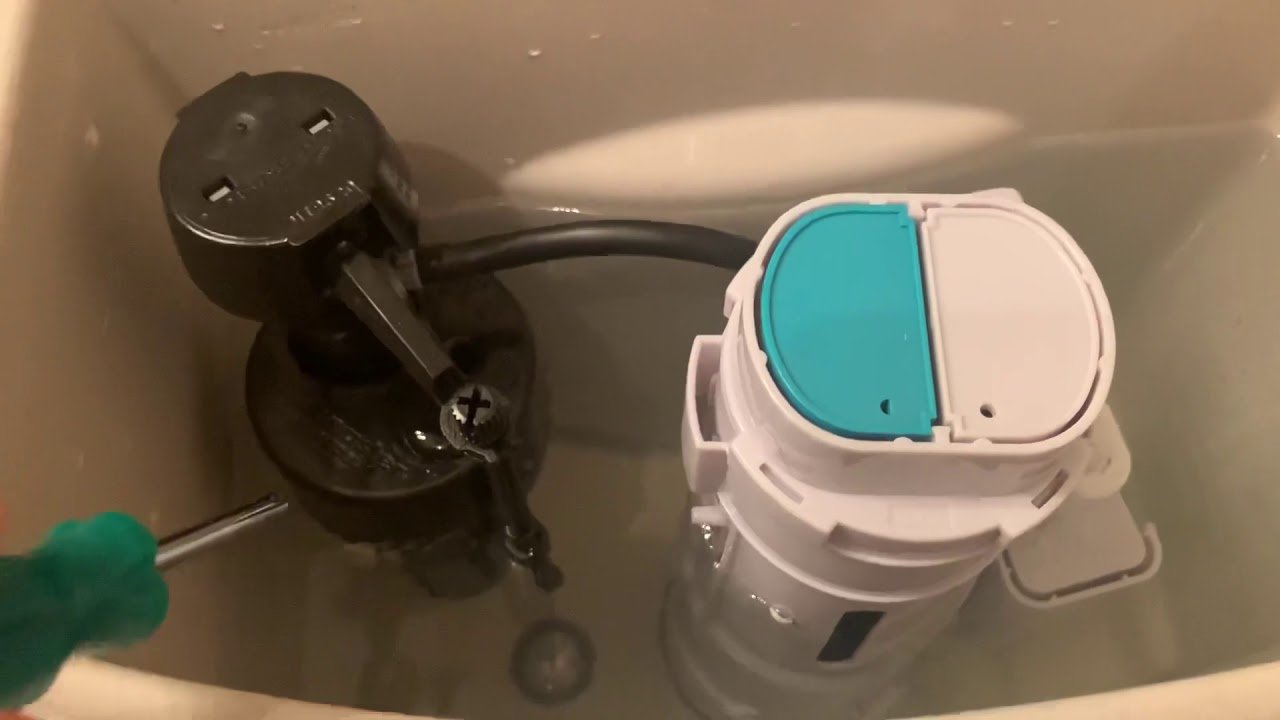
This step is for tanks where water continuously spills into the open top of the tall overflow tube. Look for the float mechanism, which is either a floating cylinder on the vertical valve body or an older hollow ball on a metal arm. Find the plastic adjustment screw on top of the valve mechanism. Use a flathead screwdriver to turn this screw clockwise one full turn, which forces the float to stop lower down. The trade-off is simple: lowering the water saves water and stops the run, but lowering it too far weakens flush power. Your target water line should rest roughly one inch below the top of that open overflow tube. This varies by model — check the label or stamp inside your tank wall.
Replace the entire toilet fill valve
This fix is for older toilets where the valve hisses constantly and adjusting the float doesn’t shut off incoming water. Turn the shutoff valve clockwise near the wall to stop water delivery, flush the tank to empty it, and sponge out the remaining water. You’ll unthread the mounting nut under the tank exterior, lift out the worn valve, and press in a standard universal replacement. It’s worth the hour of effort if adjusting the float fails entirely, but it’s not worth doing if your shutoff valve at the wall is corroded, seized, or dripping. Forcing a stuck water shutoff valve risks snapping your home’s water pipe; call a licensed plumber immediately if that valve won’t budge.
What not to do
- Don’t drop chemical drop-in bleach tablets directly into your tank. The concentrated bleach degrades flexible rubber flappers and silicone seals within months.
- Don’t bend the brass float rod sharply with pliers. Bending the metal arm can crack the plastic threads holding the assembly together.
- Don’t yank or twist the flapper chain to force it shut. Pulling too hard snaps the fragile plastic flush lever arm inside the handle.
- Don’t ignore a slow leak because it seems quiet. A running leak can add unexpected figures to your monthly utility statement over several billing cycles.
How to stop it happening again

Proper tank care keeps internal parts working smoothly and prevents worn seals.
| If you’re doing this | Do this instead | Why |
|---|---|---|
| Using chemical tank tablets | Clean only with a brush inside the bowl | Strong chemicals rot the rubber flapper quickly |
| Letting hard water scale build up | Wipe the drain seal periodically with vinegar | Mineral crust stops rubber from lying flat |
| Leaving long slack on the chain | Adjust chain to leave a small amount of slack | Loose links slip underneath the sealing edge |
| Ignoring hissing sounds | Test the tank using food coloring drops | Silent leaks waste water long before you hear them |
Can a running toilet increase my water bill?
Yes, a running toilet can substantially increase your utility bill. A leaky flapper or misaligned overflow pipe runs water day and night without stopping. Check your municipal water bill or inspect your home water meter while all faucets are off to confirm if your plumbing is wasting water.
Why does my toilet run every few minutes?
Your toilet runs intermittently because water is slowly leaking out of the tank into the bowl. This problem is called “phantom flushing.” Once the water level drops low enough, the float trigger activates the fill valve for a few seconds to top off the lost volume.
Is it safe to leave a running toilet overnight?
Yes, it’s generally physically safe because excess water empties down the overflow pipe directly into your household drain line. Your tank won’t overflow onto the bathroom floor unless the bowl drain is fully blocked. However, shutting off the water valve overnight prevents wasting gallons.
How long do toilet flappers usually last?
Toilet flappers usually remain flexible for several seasons depending on the chemical content and mineral hardness of your municipal tap supply. Water treated with high chlorine or harsh drop-in cleaning pucks degrades the rubber much faster. Inspect the flapper whenever you notice the toilet running after a flush.
What happens if the fill valve breaks completely?
If the fill valve breaks completely, water either runs non-stop into the overflow pipe or the tank refuses to fill with water at all. When the internal diaphragm tears, mechanical water shutoff fails. At that point, you must turn off the main wall valve and install a replacement valve.
Final Thoughts
If these simple adjustments don’t stop the sound, you might need to replace the entire flapper or fill valve assembly. These parts are inexpensive and don’t require professional help to swap out. Taking care of this leak today will save you plenty of money on your next water bill.