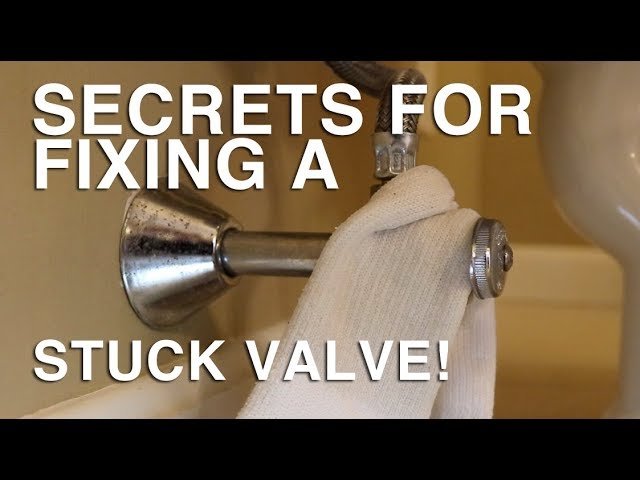
A broken shut-off valve stem is usually the problem when you turned off water to toilet wont come back on, accounting for most cases after home repairs. The quickest way to check this involves turning the handle counterclockwise; if it spins freely without resistance, the internal stem has snapped. You won’t hear water hiss into the tank, even though the handle feels loose.
Table of Contents
Why the toilet water wont turn back on
| Cause | How common | How to confirm it | Fix it yourself? |
|---|---|---|---|
| Broken shut-off valve stem | Most common | Handle spins without resistance | Yes with care |
| Stuck fill valve float | Common | Arm stays stuck at top | Yes |
| Mineral clog in supply line | Moderate | Pipe feels dry when unhooked | Yes |
| Clogged fill valve screen | Moderate | Water flows to hose only | Yes |
| Frozen supply pipe | Rare | Pipe feels ice cold | No |
| Main house valve closed | Rare | All bathroom taps run dry | Yes |
Broken shutoff valve stem
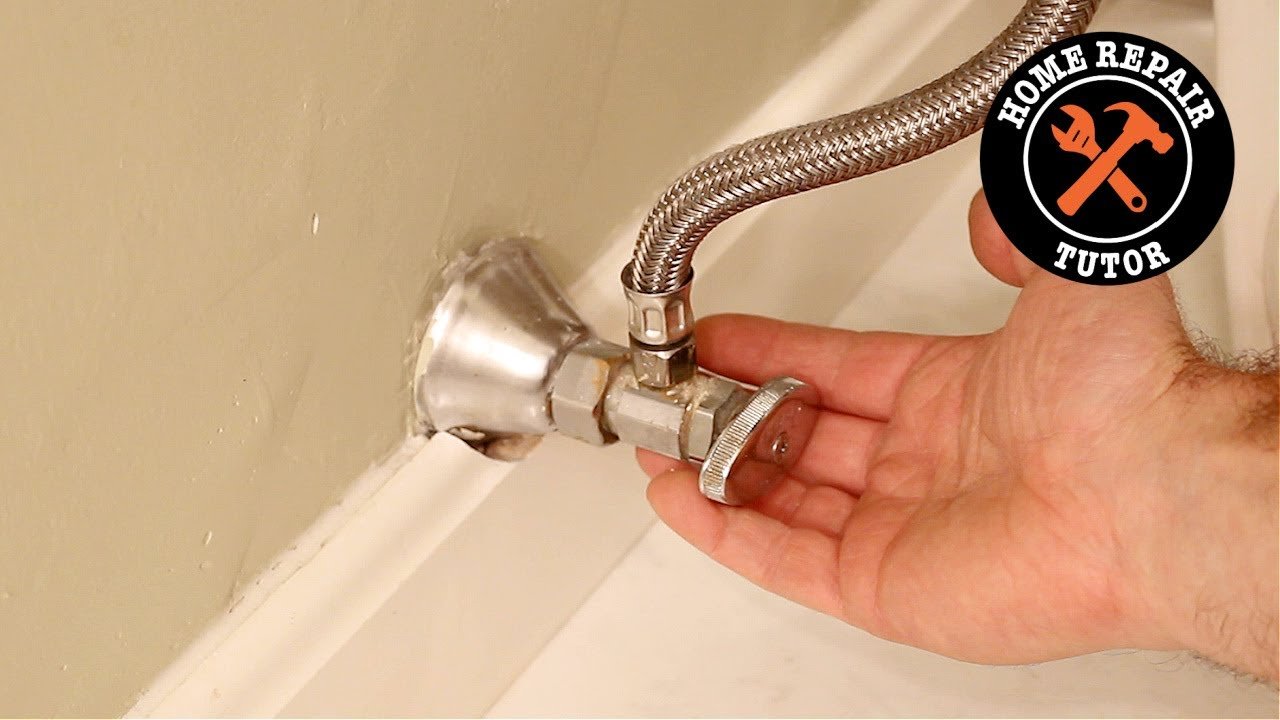
A failed shut-off valve happens when the internal metal rod snaps away from the rubber washer inside the valve body. Multi-turn valves sit in one position for years, allowing mineral deposits to accumulate on the threads. When you crank the handle shut, the force shears the internal stem. You open the oval handle all the way back up, but the loose washer stays pressed flat against the water inlet seat.
To confirm this, turn the handle to the left while feeling for standard mechanical resistance. If it turns smoothly without coming to a firm stop after two to three complete rotations, the stem is stripped.
If the handle spins freely, replace the entire shut-off valve; if it resists turning completely, don’t force it with pliers. Forcing a frozen metal handle can snap the copper pipe inside your wall, causing flood damage that costs hundreds of dollars in drywall repairs. Replacing the valve takes about 45 minutes using two adjustable wrenches. This fix isn’t for people with old, heavily corroded galvanized pipes behind the wall. The repair costs just a few dollars for a standard quarter-turn ball valve.
Stuck fill valve float mechanism
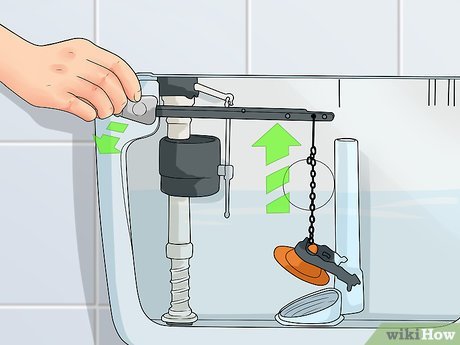
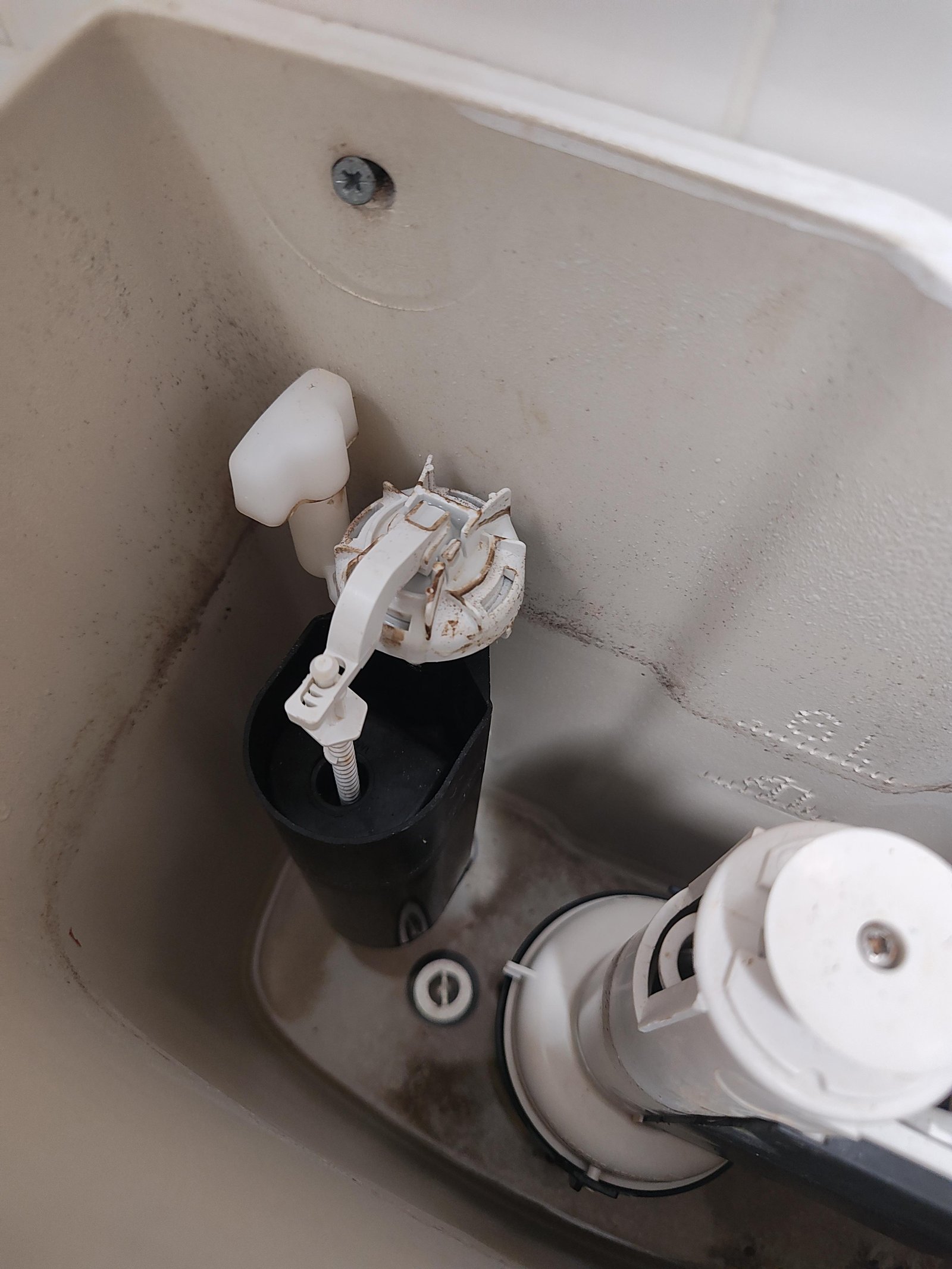
A stuck float mechanism occurs when the plastic arm or float cup catches on the vertical fill tube inside your toilet tank. When you drain the tank to do a repair, the float drops to its lowest point. As dirt or hard water scale dries during your work, it jams the sliding collar in place. Even after you turn the water supply back on, the valve thinks the tank is full because the shutoff lever can’t drop down to open the water seal.
You can tell this apart from a broken shut-off valve because water pressure will still reach the flexible supply hose under the tank. The tank remains silent, but the valve behind the toilet is open.
Reach inside the tank and gently push down on the float cup or lift the float arm with your hand. If the float immediately drops and water rushes into the tank, scale buildup was holding it up. This takes two minutes to test. A replacement fill valve requires no plumbing tools and costs only a fraction of a plumber visit.
Mineral clog in the supply line
Mineral debris breaks loose inside household plumbing whenever water lines lose pressure and refill quickly. Old iron or copper pipes shed flakes of rust and calcium carbonate when you turn the valve. This loose debris rushes forward and jams tightly into the narrow inlet opening at the bottom of the toilet tank. The valve is open, but physical sediment blocks the water flow.
To confirm a clog, place a standard two-gallon bucket under the flexible hose. Unscrew the top coupling nut from the toilet tank shank using your fingers or slip-joint pliers. Point the open hose straight into your bucket and slowly turn the shut-off handle counterclockwise. If water blasts out with full force, the supply line is fine and the clog sits higher up inside the fill valve shank.
According to the EPA WaterSense guide to bathroom leaks, keeping clean plumbing connections prevents quiet water waste and fixture damage. Clearing a line clog takes roughly 15 minutes. The trade-off of clearing old lines yourself is the mess: you get a cheap fix, but you must clean up water spills on the floor.
The less likely causes
- A clogged fill valve filter screen stops flow at the base of the tank, which you can spot if water sprays from the hose but stops inside the plastic toilet shank.
- A partially closed main house shut-off valve limits pressure everywhere, evidenced by weak flow at your bathroom sink and shower faucets.
- Winter pipe freezing blocks water before it reaches the bathroom, indicated by frost on exposed pipes or no water in any fixtures along an exterior wall.
- A blocked pressure-reducing valve chokes incoming municipal supply, which requires a licensed plumber because servicing main water regulators involves high line pressures.
What a fix usually involves
Fixing this problem usually demands simple hand tools: an adjustable wrench, a bucket, and a small pair of slip-joint pliers. If the shut-off valve broke, you’ll need a new quarter-turn brass valve, which costs a tiny fraction of a new toilet. Swapping a stuck fill valve takes about 30 minutes and a basic universal replacement kit from any hardware store.
Costs stay very low when you swap these small parts yourself. However, hiring a licensed plumber raises the total bill significantly due to standard trip fees and hourly labor minimums. Plumber rates vary by region—check local company sites for their standard dispatch fees. If your shut-off valve is soldered directly to copper rather than threaded, hire a professional to avoid heat damage to your walls.
Frequently asked questions
Can I leave the toilet supply valve open if no water flows?
No, you shouldn’t leave the valve open while troubleshooting the line. A loose mineral clog can break free suddenly while you’re away from home. If your fill valve is cracked, full water pressure will spill onto the floor and cause water damage. Keep the valve closed until you finish checking the tank.
Why won’t my toilet fill after turning the valve back on?
A detached internal valve stem is the most common reason the water stays off. The handle turns on the outside, but the internal gate remains frozen shut. A stuck float arm inside your tank can also keep the internal seal closed, which blocks the incoming water stream completely.
How long does a toilet shut-off valve usually last?
Common multi-turn valves with rubber packings have a limited lifespan as they age. Their lifespans vary by local water hardness—check the valve body for white mineral crust. Quarter-turn ball valves last much longer because their internal stainless steel ball doesn’t rely on degrading rubber washers to stop flow.
Is it safe to tap the valve with a hammer?
No, never hit a plumbing valve with a metal hammer. Tapping an old brass fitting can easily crack the supply pipe inside the wall or break brittle solder joints. If a valve won’t budge with normal hand pressure, spray penetrating lubricant on the stem threads and let it soak instead.
What happens if the shut-off valve handle keeps spinning?
The internal metal stem has sheared off completely from the threads inside the body. Water won’t turn back on because the internal stopper can’t lift off the seat. You must shut off your main home water supply and install a new quarter-turn valve on the copper pipe.
Does it matter if I open the valve only halfway?
Yes, multi-turn gate valves must be opened all the way until they stop. Turn the handle counterclockwise until it rests firmly against its stop to maintain a watertight seal around the stem.
Final Thoughts
If you can’t get the water flowing again, don’t worry—it’s a common issue that’s simple to fix. You’ll just need to replace the valve or call a local plumber to handle the swap. Once it’s replaced, you won’t have to deal with this headache anymore, and your bathroom will work perfectly.