You can improve the feel of your water stream by picking a unit with an aerator that shapes flow into a more concentrated jet. Water enters your wall pipes under set house pressure and passes through the faucet channels and aerator.
Table of Contents
How faucet parts boost water pressure
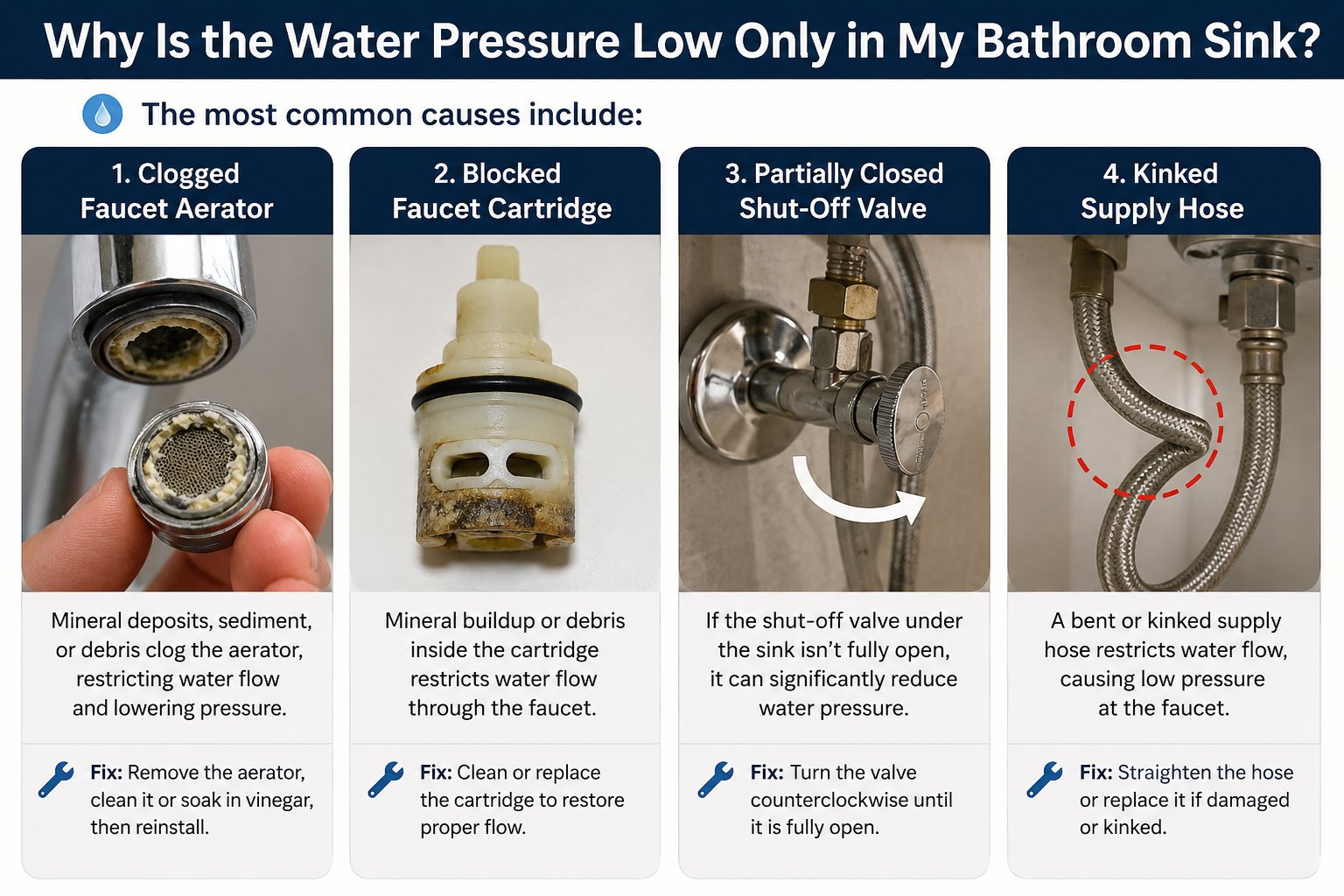
| Part or input | What it does | What you notice when it goes wrong |
|---|---|---|
| Supply stop valve | Feeds water from wall pipe to line | Flow drops if turned partly shut |
| Flexible supply hose | Carries water up to faucet body | Kinks cause a sudden weak trickle |
| Cartridge | Controls volume and hot-cold mix | Leaks around handle or poor flow |
| Faucet waterway | Narrow interior channel directing water | Mineral buildup blocks water path entirely |
| Aerator screen | Mixes air into water stream | Water sprays sideways or dribbles out |
| Flow restrictor | Caps maximum gallons delivered per minute | Stream feels too soft to rinse |
What happens, step by step
- You open the shutoff valve under the sink, letting pressurized pipe water fill the braided supply line in about two seconds.
- Water climbs the 3/8-inch flexible hose, moving upward toward the faucet base as long as the line stays free of tight kinks.
- Lifting the faucet handle slides the internal cartridge plates open, creating an internal channel for hot and cold streams within one second.
- The blended water moves into the faucet’s brass or stainless spout core.
- Liquid hits the flow restrictor disk, which limits standard bathroom output to a maximum rate set by design, usually taking under a second to stabilize.
- Water passes through fine mesh screens inside the tip, pulling ambient room air into the liquid stream across a fraction of a second.
- The aerated water exits the spout nozzle as a firm, straight column that feels powerful against your hands while using less volume overall.
Why this matters when something goes wrong
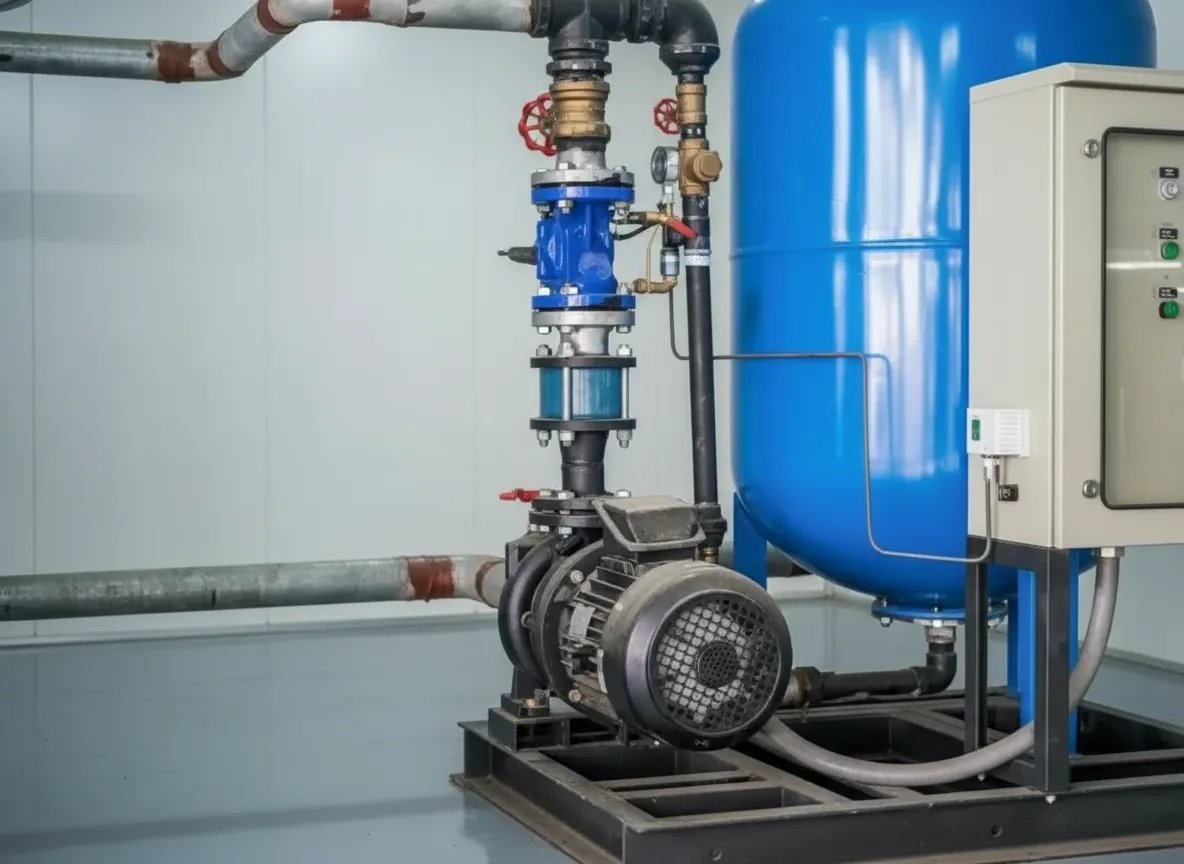
A weak stream doesn’t always mean your home has bad water pressure. If kitchen faucets run strong while your bathroom sink trickles, the restriction sits right at the sink itself. A classic mistake people make is buying an expensive booster pump when a five-dollar aerator is simply choked with grit.
Mineral scale gathers fastest at the narrowest point of exit. When dissolved calcium drops out of standing water, it cakes behind the aerator screen. That blockage cuts velocity, turning a firm spray into a messy dribble. If both hot and cold sides feel equally weak, unscrew the tip first. If only the hot side lacks force, the problem sits upstream in your cartridge or the water heater line.
Federal rules cap bathroom sink output. Under the EPA WaterSense specification, certified bathroom faucets must not exceed 1.5 gallons per minute at 60 pounds per square inch of test pressure. If you pick a model with wide open waterways and no pressure-compensating aerator, low street pressure will make the water spill out weakly.
What you can change, and what you cannot
What you control
- The style of aerator screwed onto the spout tip.
- How clean you keep the internal cartridge and mesh.
- The position of the dual supply valves under the sink basin.
- The diameter of flexible supply hoses feeding the unit.
- Choosing a compact faucet spout over an oversized waterfall design.
What is fixed by design
- The incoming municipal or well pump supply pressure at the street main.
- The internal metal casting dimensions inside the faucet body.
- Local plumbing code limits on maximum allowable fixture flow rates.
When lines show zero pressure or pipes thump violently inside the walls, stop working and call a licensed plumber to inspect your pressure-reducing valve.
Getting more out of it
If your house runs below 45 pounds per square inch, choose a standard aerated faucet; if you have normal 60-psi pressure, you can safely run a laminar-flow designer spout. Never install an open waterfall spout if you have low supply pressure, because spreading water across a wide lip destroys whatever stream velocity you have left.
Soak your aerator tip in plain white vinegar regularly to dissolve hidden calcium crust before it chokes your flow. You’ll get great rinse force by pairing a 1.2-gallon-per-minute pressure-compensating aerator with your faucet, but this trade-off means bucket filling takes longer. This setup isn’t for people filling deep wash basins or laundry tubs daily.
Frequently asked questions

Can a new faucet increase water pressure?
No, a faucet can’t raise actual pipe pressure, but it can boost exit velocity. It works by mixing air into the stream at the tip to improve the feel of the water. This creates a firmer, faster-moving jet that feels significantly stronger on your skin without changing house plumbing.
Why is my new bathroom faucet flowing slower than the old one?
Your new faucet likely contains a modern water-saving flow restrictor inside the base or spout. Older faucets often flowed at 2.2 gallons per minute or higher, while modern bathroom models cap output at 1.5 or 1.2 gallons per minute to meet current building and conservation codes.
How long does it take to clean a clogged aerator?
About 60 minutes from start to finish. You unscrew the round tip from the spout by hand, drop the small mesh pieces into a cup of warm household vinegar to dissolve hard minerals, rinse them thoroughly under clean tap water, and twist the housing back into place firmly.
Is it safe to remove the flow restrictor?
Yes, it’s physically safe, but it may violate local building codes or splash water over the counter. Removing that plastic disk lets more water through the spout, yet it can create a messy, unshaped spray if the internal waterway needs that specific part to balance backpressure.
What happens if the supply shutoff valve is half open?
The faucet delivers much less volume than it should. Leaving the oval valve handle partly turned chokes the incoming water stream right at the wall pipe, which starves the faucet cartridge and leaves your stream feeling limp regardless of which faucet model you have installed.
Does faucet spout height affect water force?
No, spout height changes drop distance, not water pressure. A tall vessel faucet doesn’t push water out any harder than a low-profile model. In fact, tall spouts tend to create more unwanted splashing when low-velocity water falls and strikes an empty porcelain sink basin.
Final Thoughts
Upgrading your hardware is a simple way to enjoy a more refreshing morning routine. If you’re still not seeing the results you’d like, it’s worth checking your home’s main shut-off valve to ensure it’s fully open. You’ll be surprised at how much a small adjustment can improve your daily comfort.