
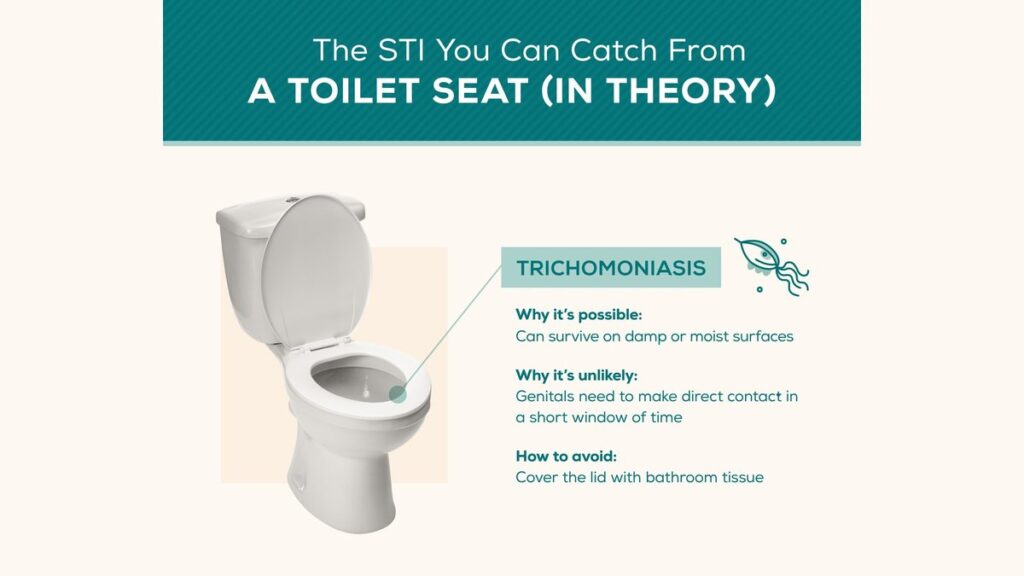
Yes, in most cases. People often ask whether a toilet infection can be transmitted sexually, and the clinical reality is that the conditions called “toilet infections” are almost always reproductive or urinary tract infections passed through sexual contact or natural bacterial imbalance. The only exception happens when the issue is an ordinary urinary tract infection, which stems from gut bacteria rather than intimacy. If you have itching, unusual discharge, or burning right now, pause all sexual contact until you receive a laboratory diagnosis.
Table of Contents
Can toilet infections be sexually transmitted
Your diagnosis determines whether you can pass this issue to a sexual partner.
| Your situation | Answer | Why |
|---|---|---|
| Trichomoniasis parasite | Yes | Parasite passes easily during intimate contact. |
| Bacterial vaginosis | Usually not | Internal bacterial imbalance, not classic contagion. |
| Yeast overgrowth (Candida) | Sometimes | Can irritate partner tissue during intercourse. |
| Urinary tract infection | No | Bladder issue caused by digestive bacteria. |
| Chlamydia or gonorrhea | Yes | Bacteria require mucosal contact to spread. |
| Pubic lice or scabies | Yes | Parasites transfer across shared bedding, direct touch. |
What decides it
The actual biological organism causing your discomfort decides whether it spreads between partners. In everyday conversation, people use “toilet infection” as an umbrella phrase for burning, pelvic pain, itching, or abnormal fluid. Hard surfaces like toilet seats don’t harbor the delicate organisms that cause these symptoms long enough to transmit them. Parasites and bacteria that infect the human reproductive tract need warm, moist mucosal environments to survive; they die within minutes of drying on cold plastic or porcelain.
Therefore, these symptoms stem from two distinct sources: internal imbalances or sexually transmitted pathogens. In contrast, conditions like yeast overgrowth happen when natural bodily defenses drop, though friction during intercourse can still irritate a partner’s skin. If the culprit is an internal flora shift like bacterial vaginosis, sexual transmission is uncommon; if the organism is a true pathogen like trichomoniasis or chlamydia, then sexual transmission happens very readily.
If you go ahead
Because the answer to transmission is yes for most matching conditions, you must follow clear alternatives to avoid passing the illness or re-infecting yourself.
- Get an accurate swab test from a clinic. Self-diagnosis based on visible discharge fails because different organisms produce identical symptoms, and this option isn’t for those without local clinic access who must rely on certified telemedicine services instead.
- Abstain from all sexual intercourse during your treatment window. Resuming intercourse before completing your medicine trades short-term relief for immediate partner reinfection; you must abstain from all sexual activity until treatment is complete.
- Have your partner treated at the exact same time. Treating only one person creates a ping-pong cycle where the infection continuously passes back and forth; all sexual partners must be treated simultaneously regardless of the relationship type.
The mistake people make

The single most common mistake is assuming that a dirty toilet seat caused your burning or discharge, leading people to self-medicate with over-the-counter washes instead of testing for sexually transmitted pathogens. This false belief costs patients hundreds of dollars in ineffective herbal remedies and allows hidden infections like chlamydia to cause permanent reproductive scar tissue. Testing accuracy varies by lab platform—check the kit label to ensure your test covers both bacterial and parasitic pathogens. A simple clinic urine or swab test avoids this costly delay entirely.
When to stop and get help
Stop self-care and consult a medical doctor immediately if you notice:
- Pelvic pain accompanied by a fever over 100.4°F, which indicates the infection reached your upper organs.
- Unexplained bleeding between menstrual cycles or directly after intercourse due to cervical irritation.
- Blisters, open sores, or painful swollen lymph nodes in your groin crease.
These symptoms mean you need prescription oral antibiotics or antivirals that require clinical diagnostic equipment.
Frequently asked questions
Can you get a sexually transmitted infection from a toilet seat?
No. The bacteria and viruses that cause reproductive infections dry out and die almost immediately on cold, hard surfaces. Transmission requires direct tissue-to-tissue contact or fluid exchange.
Why does it burn when I pee after using a public restroom?
A urinary tract infection caused by gut bacteria or contact with an irritant like harsh cleaning bleach usually causes this pain. It rarely links to sitting on the fixture itself.
How long can bacteria live on a toilet surface?
About a few hours to days for hardier bacteria like E. coli, but fragile organisms causing reproductive tract infections break down in under a minute without body heat and moisture.
Is it safe to have sex while treating a vaginal infection?
No. Intercourse creates friction that tears inflamed tissue, delays your recovery process, and regularly spreads organisms back and forth before medications fully kill the initial outbreak.
What happens if I treat an infection without testing first?
Taking random medications often kills healthy bacteria while leaving the actual pathogen untouched. This creates medication resistance and leaves you vulnerable to recurring, more aggressive flare-ups later on.
Does it matter if my partner doesn’t have any symptoms?
Yes. Many reproductive infections show zero outward signs in certain bodies, especially men. An asymptomatic partner still carries the living pathogen and will quickly pass it right back to you.
What to do next
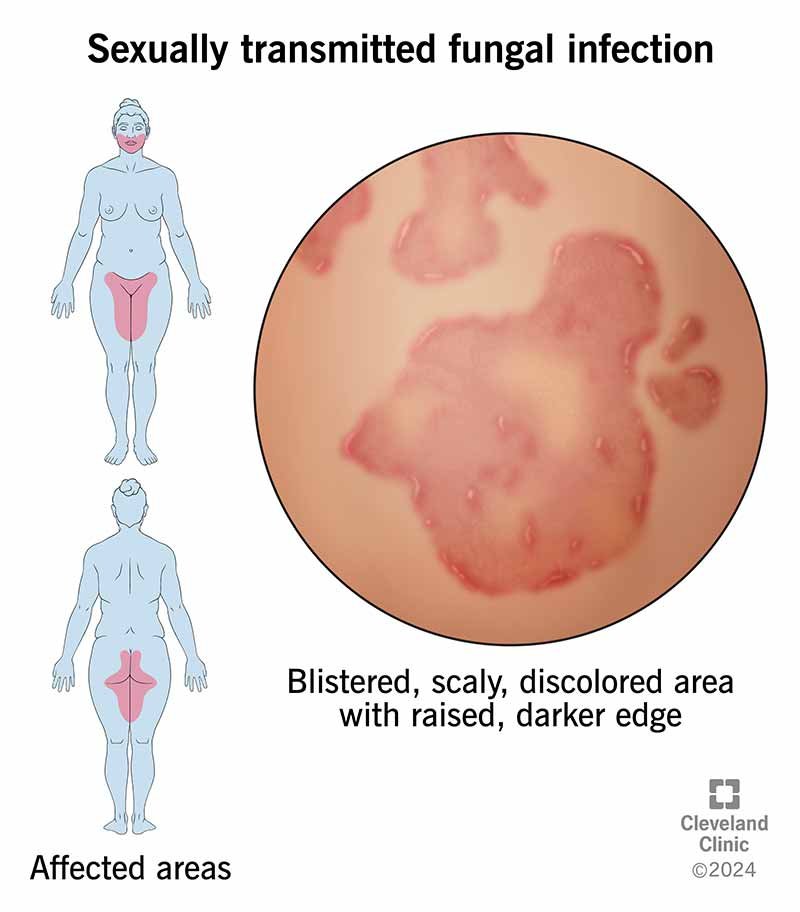
Book an in-person swab or urine panel at a local health clinic today to identify the exact cause of your symptoms. Follow your full antibiotic or antifungal prescription to completion, which shows success when burning and unusual discharge stop entirely. If you develop lower abdominal pain or a sudden fever, stop waiting and seek urgent emergency care.
Final Thoughts
Don’t let embarrassment keep you from getting the care you deserve. If you’re feeling uncomfortable, schedule an appointment with your doctor for a simple test. They’ll help you clear things up quickly so you can get back to feeling like yourself again. You don’t have to handle this on your own.
Related guides






