
Yes, they relieve mild muscle tightness by using mechanical water pulses, but whether massage shower heads really work depends entirely on your home’s water pressure. Pulsing streams boost local skin blood flow, yet they can’t match deep-tissue massage or fix chronic structural back pain.
Water pressure entering the fixture controls the entire effect. If your plumbing delivers under 40 pounds per square inch (psi), the pulsing jets feel weak and won’t knead stiff muscles at all.
The most frequent error is buying a pulsating unit without checking your existing home pressure. You end up with a trickling mist instead of a deep rhythm, which wastes your money and makes regular rinsing take twice as long.
Table of Contents
Setting up your massage shower head

- Unscrew the old shower fixture by turning the nut counterclockwise using an adjustable wrench.
- Clean the exposed pipe threads with a stiff brush and wrap exactly two clockwise turns of Teflon tape around them.
- Thread the new massage head onto the shower arm by hand until it feels snug. Tip: Stop turning once hand-tight; over-tightening with a wrench can crack the plastic fitting instantly.
- Turn on the main shower valve for 30 seconds to flush out trapped air before testing the modes.
- If your pressure is strong, keep the internal flow restrictor in place; if your pressure is weak, remove the restrictor to allow better jet force. In the United States, standard models adhere to the federal flow cap described in the EPA WaterSense showerhead specification. Tip: Never remove the rubber washer when checking the restrictor, or the connection will spray water behind the wall.
- Rotate the outer dial clockwise through each click until the narrow, high-velocity massage jet fires. If pipe rattling or water hammer occurs inside your wall during high-pulse mode, shut off the tap and call a licensed plumber to inspect your home’s water pressure regulator.
How long it takes
Swapping a unit takes under fifteen minutes, but the time required to feel muscle relief depends on spray intensity and heat.
| Situation | How long | What changes it | What to watch for |
|---|---|---|---|
| Handheld unit replacement | 10 to 15 minutes | Wrench clearance around pipe | Thread leaks behind the bracket |
| Fixed wall-mount swap | 5 to 10 minutes | Old mineral build-up on threads | Over-tightening plastic joints |
| Neck tension relief session | 5 to 8 minutes | Water temperature and jet narrowness | Skin redness from excessive heat |
| Lower back stiffness relief | 8 to 12 minutes | Distance held from the skin | Hot water tank running empty |
If muscle tightness feels unchanged after 12 minutes under the pulsing stream, step out; extending the session will only drain your hot water heater without adding extra physical benefit.
How to tell when it’s done
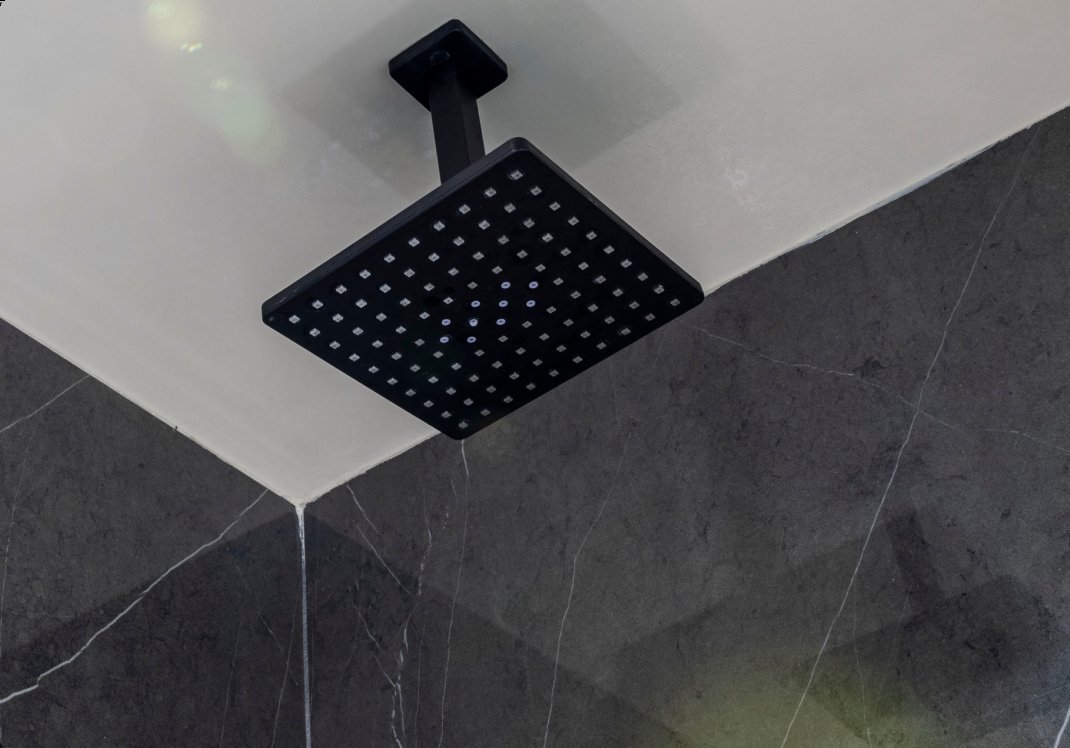
A proper installation shows zero moisture pooling around the neck joint after running for two full minutes. The massage mode is working correctly when the water rhythm produces distinct, thumping pulses you can feel from six inches away, rather than a continuous spray. When you step out, the treated skin should show mild pink flushing from increased blood circulation, but this varies by model — check the label for spray force ratings. The decisive test for a good seal is wiping a dry paper towel across the threaded joint while the water runs on high pulse; any dampness means you need more thread tape.
Mistakes that ruin it
- Using maximum pulse on sensitive skin: Strong focused jets can cause stinging or broken capillaries on thin skin. Keep the pulsating stream on dense muscle groups like your shoulders and switch to a broad spray for the rest of your body.
- Ignoring hard water build-up: Mineral deposits clog the tiny pulsing turbine chambers within weeks, making the rhythm stall. Soak the faceplate in white vinegar for three hours regularly to dissolve calcium scale.
- Expecting true medical rehabilitation: High-pressure water provides surface relaxation, but it won’t correct spinal misalignments or deep tears. Use the fixture to ease everyday soreness, and see a physical therapist if sharp pain persists.
Frequently asked questions
Can a massage shower head damage your skin?
Yes, holding a high-pressure jet against thin or sensitive skin for too long can cause irritation, itching, or broken capillaries. Keep the shower head at least six inches away from your body, limit targeted jet sessions to under ten minutes, and avoid pointing narrow pulse settings directly at your face.
Why does the massage pulse stop working after a few weeks?
Mineral scale from hard water settles inside the internal rotor and stops it from spinning freely. Unscrew the shower head, place it face-down in a bowl of warm white vinegar for two to three hours, and rinse it thoroughly with clean tap water to restore the rhythmic pulsing movement.
Is a massage shower head safe for children?
No, the concentrated pulse mode delivers too much force for a child’s sensitive skin and can cause pain or fear. If children share the bathroom, switch the dial to a wide, gentle rain setting before they bathe, or choose a unit with a low-impact mist setting.
How much water pressure do massage shower heads require?
They need at least 45 to 50 psi to deliver a satisfying, rhythmic thump. While they technically operate at 30 psi, the pulsing action feels weak and sluggish at that level. Check your home’s main water pressure regulator before purchasing if you live on an upper floor.
What happens if I drop a handheld massage shower head?
Dropping the head onto a hard tile floor can crack the internal plastic rotor that generates the pulse effect. The casing might look completely intact from the outside, but broken internal turbine gears will cause the stream to spray erratically without creating any pulsating massage rhythm.
Final Thoughts
If you’re still unsure, check your current shower head’s flow rate before buying a new one. It’s worth testing the pressure in your bathroom first to see if an upgrade will actually make a difference. You’ll find that a little research goes a long way toward creating a more relaxing daily routine.
Related guides
- Clean Shower Curtain Mold With Vinegar: A Simple Guide
- Bath Fitter Shower Prices: Cost and Value Comparison Guide
- 3 Handle Tub and Shower Faucet Guide for Bathroom Upgrades