
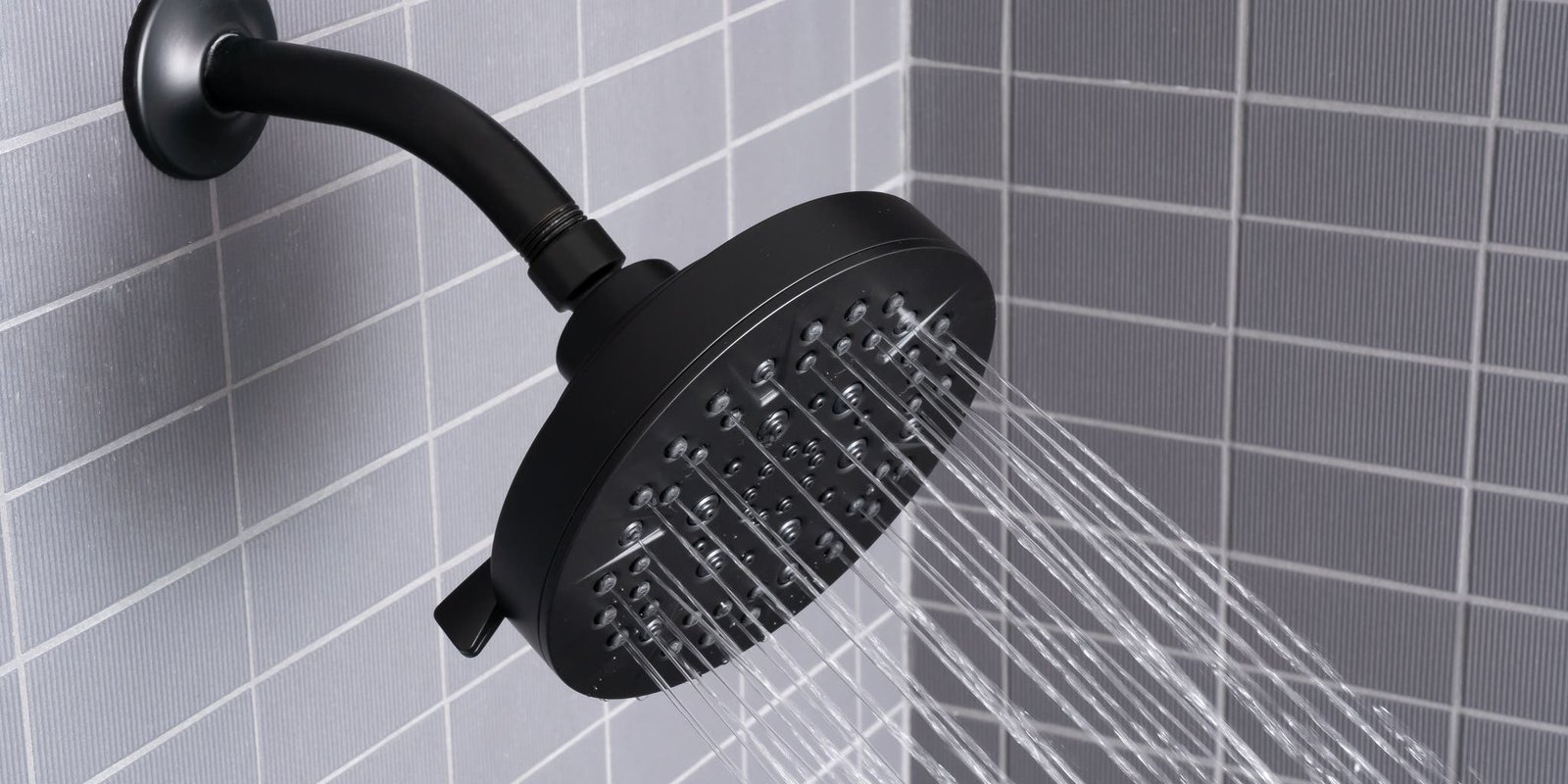
A flexible wand wins the debate on handheld vs fixed shower heads which one is better for families because it easily reaches small children, pets, and dirty tub corners. A stationary wall fixture only wins when your household consists entirely of adults who prefer a clean, minimal look without dangling hoses or loose hardware.
Table of Contents
Comparing handheld and fixed shower heads

Here is how the main bathroom fixture setups compare for a busy household:
| Method | How long | Effort | Cost | Best for |
|---|---|---|---|---|
| Handheld wand system | 20 to 30 mins | Low | Medium | Bathing toddlers and rinsing pets |
| Fixed wall-mount unit | 10 to 15 mins | Low | Low | Adults wanting simple, steady pressure |
| Dual fixture with diverter | 30 to 45 mins | Medium | High | Mixed households with diverse needs |
Installing a handheld wand
A handheld sprayer connects to your existing water supply arm using a flexible metal or plastic hose.
- Unscrew your current unit by turning it counterclockwise with an adjustable wrench, taking care not to twist the pipe hidden inside the wall.
- Clean off old gunk from the threads using a stiff brush, then wrap 3 layers of plumber’s tape clockwise around the pipe threads.
- Screw the hose mount onto the shower arm by hand until snug, then add a quarter turn with your wrench.
- Attach the 60-inch or 72-inch flexible hose to the mount bracket and screw the wand handle onto the other end.
This setup excels at directional rinsing and washing bath toys without splashing water everywhere. It lets you direct water right where you need it, which makes hair-washing days tear-free for young kids. The main weakness is hose clutter, which can tangle or crowd a compact stall.
Fitting a traditional wall-mount unit
A fixed unit screws straight onto your shower arm without extra hoses or mounting brackets.
- Remove the old fixture using pliers wrapped in a soft rag so you don’t scratch the finish.
- Check the pipe threads for cracks or heavy rust before wiping them clean with a dry cloth.
- Wind 3 flat layers of thread seal tape clockwise over the exposed male pipe threads.
- Thread the new fixture on clockwise by hand, tightening it until firm, then aim the spray face downward toward the drain.
This style provides stable, hands-free rinsing that never slips out of a bracket or drops to the floor. It holds its angle reliably, giving taller family members great overhead water coverage. However, it can’t direct water across the floor of the tub, making it nearly impossible to rinse shampoo off a seated child without a plastic rinse cup.
Adding a dual shower head system
A dual system combines a permanent overhead head with a detachable wand through a brass diverter valve.
- Twist the diverter valve directly onto your shower arm using thread tape on the pipe joints.
- Mount the fixed spray head onto the straight diverter outlet.
- Attach the wand hose to the angled secondary port on the diverter valve body.
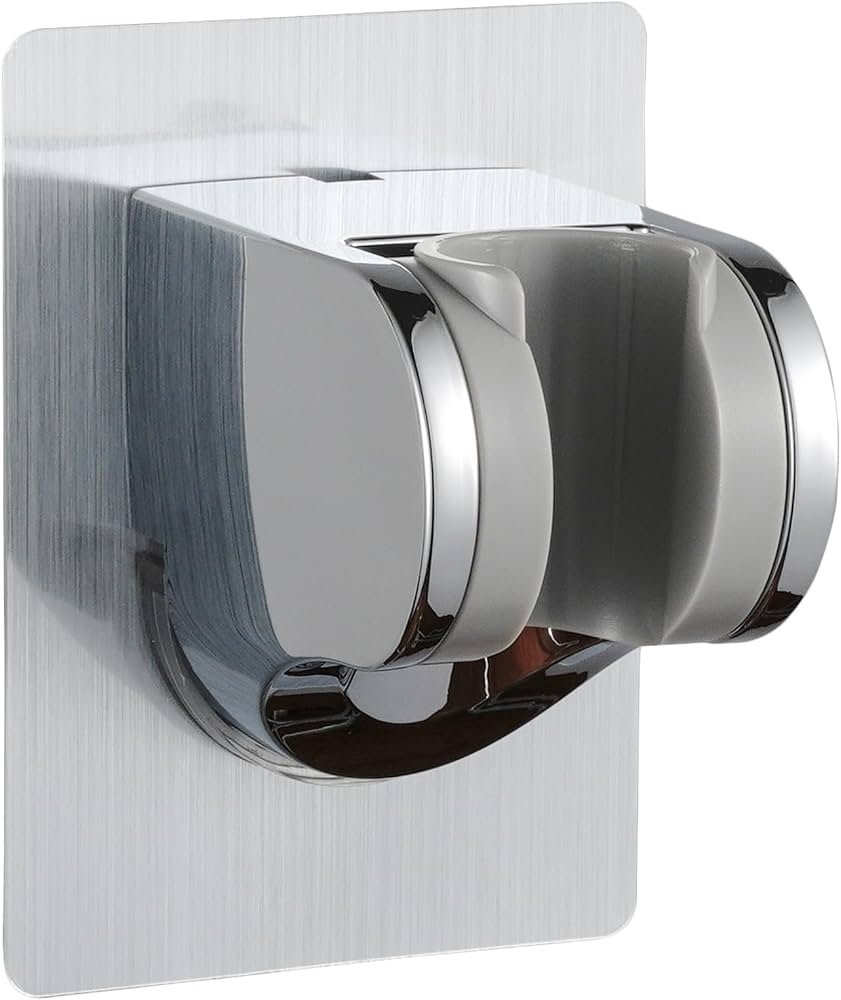
- Mount an adjustable slide bar or adhesive cradle on the tile wall at child height for the sprayer handle.
This arrangement provides the ultimate flexibility, letting parents take normal showers while keeping a low-reach hose ready for bath nights. The main downside is that running both heads simultaneously drops water pressure noticeably unless your home has unusually strong supply lines. For households on strict budgets, a simple slide-rail clip on a standard handheld wand is a cheaper alternative that avoids buying a secondary head entirely.
Which one should you use?
When you’re in a hurry, pick the fixed wall unit because it installs in under fifteen minutes with zero hoses to assemble.
When you’re doing this for the first time, choose the handheld wand system. It needs no special plumbing changes, fits standard half-inch pipes, and solves daily care tasks immediately.
When you want the best possible result whatever it takes, choose the dual fixture with a diverter. You trade a higher price and slightly trickier installation for a setup that adapts to every family member from toddler to grandparent. If your budget is tight, don’t buy the dual system; stick to a single wand instead.
The rules that apply whichever way you choose
Every standard home shower setup must follow water efficiency rules. In the United States, residential fixtures must meet federal limits verified through the EPA WaterSense program, which caps maximum flow rates at 2.0 gallons per minute at standard pressure. This limit varies by state; check your local plumbing codes before purchasing.
Before unscrewing anything, turn off the water supply valve or make sure the shower handle stays firmly off. Partway through the job, inspect your shower arm pipe where it enters the wall. If that pipe moves loosely or feels brittle, stop turning; you could snap it behind the tile, causing expensive water leaks inside the wall framing. If that pipe is corroded through, call a licensed plumber right away.
At the end, turn the water on and check every connection for slow drips. A common mistake is overtightening the plastic nuts, which cracks the internal rubber washers and causes immediate leaks.
Frequently asked questions
Can a handheld shower head be used as a fixed one?
Yes. A handheld unit rests directly inside an angled bracket mounted to your shower arm or wall. When you place it in the cradle, it works just like a standard fixed shower head, directing water outward at a set angle for normal hands-free washing.
Why does my new shower head have low pressure?
Most modern heads contain a removable flow restrictor designed to save water. If your home already has low water pressure, this restrictor cuts the flow too much. Mineral build-up or old galvanized pipes behind your bathroom wall will also choke normal water flow to the head.
Is a handheld shower head safe for small children?
Yes, as long as an adult checks the water temperature before directing the spray. You should always select a wand made of lightweight plastic rather than heavy brass. If a child accidentally drops a plastic wand, it won’t crack the bathtub or bruise their feet.
How long does a shower hose usually last?
Shower hoses generally last for several years under daily family use.
What happens if you don’t use plumber’s tape?
Water will seep along the spiral threads of the pipe joint and drip down your wall. Plumber’s tape fills microscopic gaps between the metal threads to create a watertight seal. Skipping this step usually results in a continuous drip whenever the shower valve is turned on.
Final Thoughts
Ultimately, the right choice depends on your daily routine and who shares the bathroom. If you’re still undecided, visit a local hardware store to feel the weight and spray settings of a few models. You’ll quickly see which design fits your home’s needs best, making your morning routine much smoother.