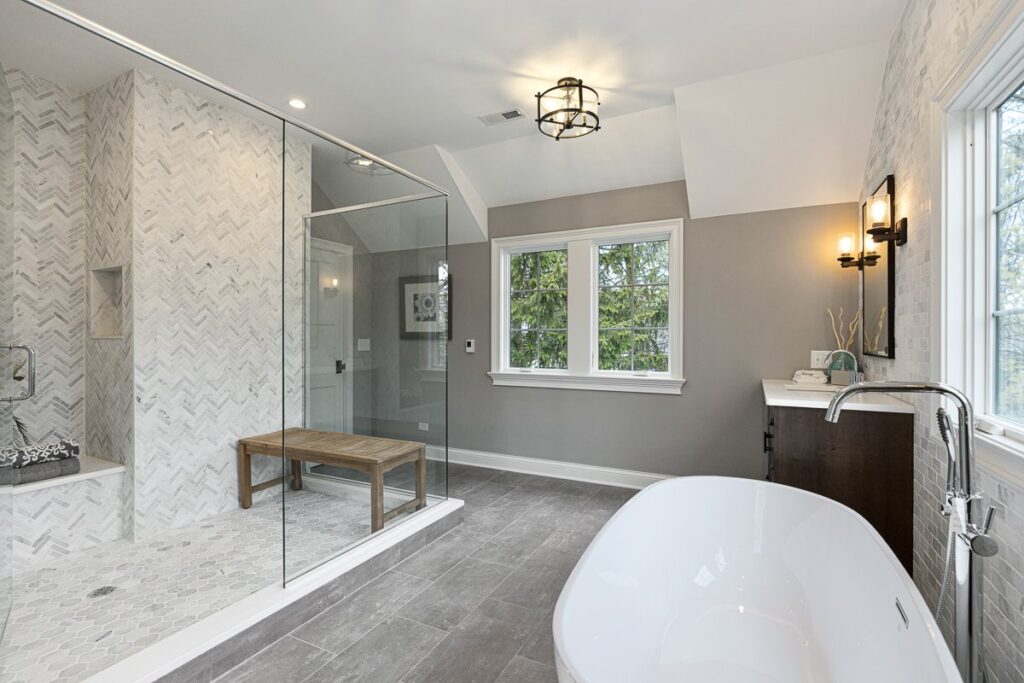
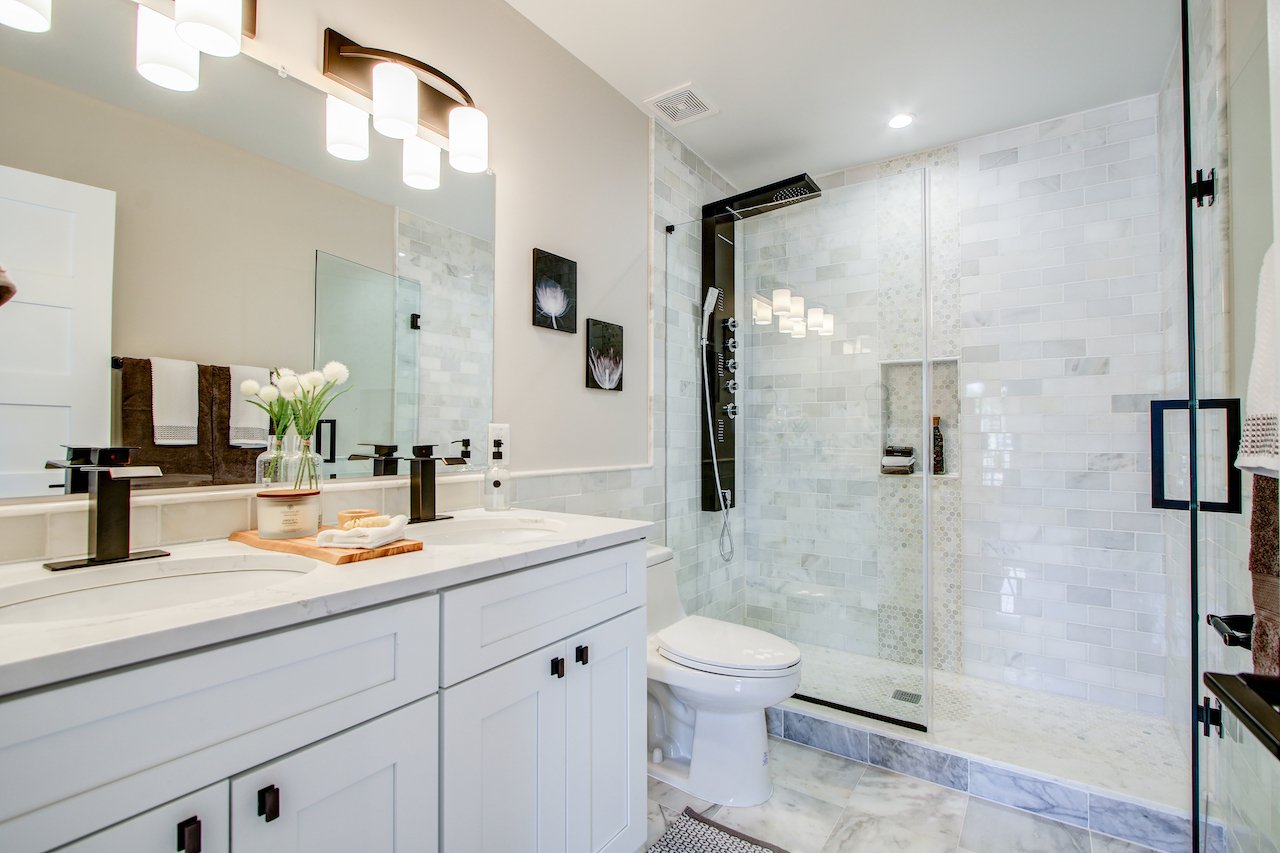
A typical small bathroom remodel for a space under 40 square feet takes three to four weeks of active work. If you order custom vanities or move plumbing pipes, plan for six to eight weeks instead. Total calendar time also depends on city permits.
Trade scheduling decides whether your project finishes on time or stalls. If you book contractors back-to-back without buffer days, one late plumber pushes every other trade back by a week.
Demolishing the space before all your materials arrive is the biggest mistake you can make. When a tile box arrives broken or a faucet is backordered, your bathroom sits unusable with open studs for weeks while you wait on shipping.
Table of Contents
Steps to schedule your small bathroom remodel
- Order every fixture, tile box, and valve at least four weeks before demo starts so everything sits on-site.
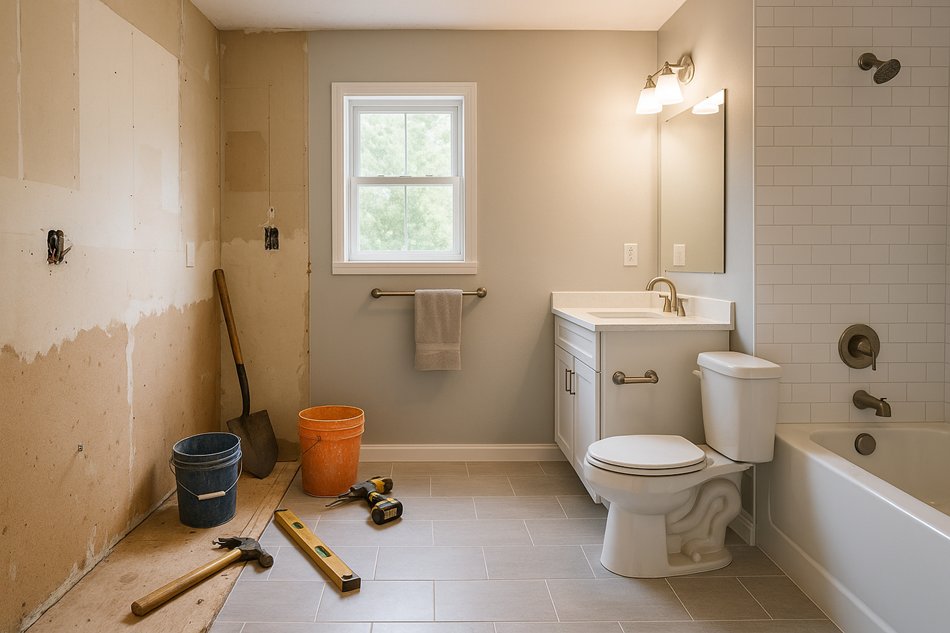
- Demolish the room down to the wall studs and subfloor in one to two days using heavy trash bins. Tip: Check the exposed subfloor for water rot right away so you can replace damaged wood before plumbers arrive.
- Rough-in the electrical wires and water supply lines over two to four days, keeping existing pipe locations to save time. If you move drains or main vent stacks, hire a licensed plumber to prevent sewer gas leaks and code failures.
- Close the walls with moisture-resistant drywall, apply tape, and paint the ceiling over two to three days. The EPA lead safety guidelines require certified containment practices if your home was built before 1978 and you disturb old paint layers.
- Apply a liquid waterproof membrane on shower walls, wait 24 hours to dry, and lay tile over three to five days.
- Install the vanity, set the toilet, connect faucets, and hang lights over the final two days. Tip: Let your silicone caulk cure for a full 24 hours before turning on the shower head.
How long it takes
Every home has different structural conditions that change the work schedule.
| Situation | How long | What changes it | What to watch for |
|---|---|---|---|
| Surface cosmetic update | 5 to 8 days | Pre-assembled parts | Hidden wall moisture |
| Full tear-out, same layout | 3 to 4 weeks | Tile drying times | Level floor surfaces |
| Full tear-out, moved plumbing | 5 to 7 weeks | City permit approvals | Drain slope requirements |
| Old home with plaster walls | 6 to 8 weeks | Wall framing repairs | Hidden pipe corrosion |
If work takes longer than planned, inspect the room to confirm mortar and joint compound dry completely before installers walk on fresh floors.
How to tell when it’s done
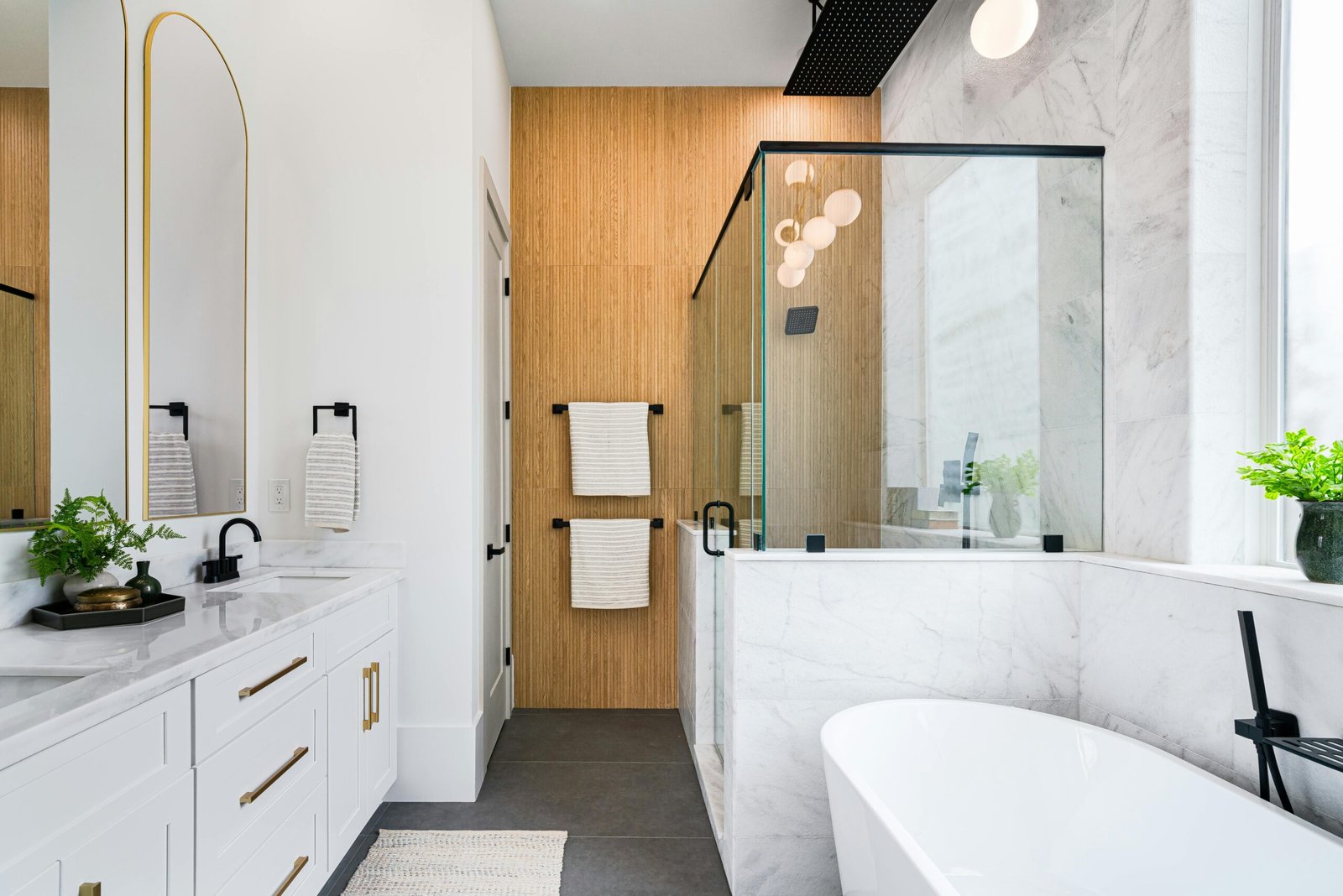
A remodel is complete when every shut-off valve holds pressure without leaking a single drop over 24 hours of resting water. Turn the shower on hot for ten minutes to verify steam vents outside through the exhaust fan.
The true test involves filling the sink and tub to the overflow drain, pulling the plug, and watching the trap underneath with a dry paper towel. If the towel stays dry and the floor tiles feel completely solid under heavy footsteps, the space is ready.
Mistakes that ruin it
- Ordering parts during demolition. Shipping delays leave your home without a toilet for weeks, so buy everything before swinging a hammer.
- Moving the toilet location. Shifting the drain line adds costly framing changes and two weeks of permit reviews, so keep fixtures in place if your budget is tight.
- Skipping trade trade-offs. Choosing large natural stone tiles looks great, but stone requires extra curing time and sealing compared to quick-install porcelain. If you have only one bathroom, this approach isn’t for you because the curing steps leave you without a washroom for days.
- Rushing waterproofing cure times. Painting tile mortar over wet membrane causes leaks behind the wall, costing thousands in mold repairs down the road, so follow container wait times exactly.
Frequently asked questions
Can I stay in my home during the remodel?
Yes, if you have a second functional bathroom to use. The work creates heavy dust, constant noise, and shut-off water lines for hours at a time. If your house has only one bathroom, plan to stay with friends or rent temporary housing during the tear-out and rough plumbing phases.
Why does a small bathroom take as long as a large one?
Because every bathroom requires the exact same trades and cure times regardless of physical footprint. An electrician, plumber, dry-waller, and tile setter must still visit in sequential order. Mortar, drywall mud, and waterproof membranes require 24 hours to dry whether the floor is 30 square feet or 100.
Is it safe to paint over old bathroom drywall?
No, regular drywall absorbs steam and grows hidden mold behind fresh paint coats. Always remove standard wallboard around wet zones. Replace it with moisture-resistant drywall or cement backer boards, and apply a waterproof liquid membrane over the backer board before setting any wall tiles.
How long must new tile cure before walking on it?
Wait at least 24 hours before stepping on newly laid floor tile. Stepping on tiles too early breaks the bond between the thinset mortar and the subfloor. Once the tiles are firmly set, apply your grout and wait another 24 hours before allowing full foot traffic or setting heavy vanities.
What happens if I skip pulling city permits?
Your city inspector can issue a stop-work order and fine you immediately. Unpermitted work also creates massive legal headaches when you sell the home, as buyers can demand you open walls to verify pipe work. If an unpermitted pipe fails, your homeowner insurance policy might deny coverage for water damage.
Final Thoughts
Before you start tearing out tiles, sit down with a local contractor to discuss your specific vision. They’ll help you spot potential delays before they happen. It’s worth the extra time spent planning now, as you’ll be much happier when you’re finally relaxing in your beautiful new space.
Related guides
- Bathroom Remodel No Payments for Two Years: How It Works
- Bathroom Sink Stopper Replacement: A Simple DIY Guide
- Can a Bathroom Scale Help You Lose Weight? Here Is How