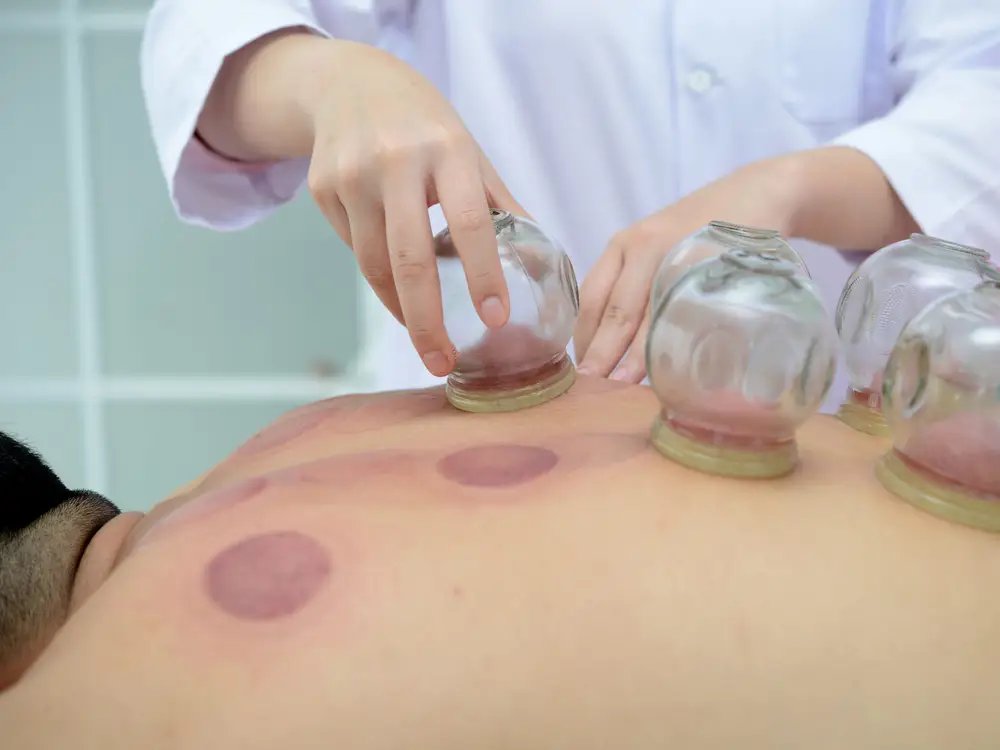
Usually not before four hours have passed. Wet cupping that breaks your skin flips that minimum to a full twenty-four hours to guard against bacterial infection. The safest practical answer to how long you should wait to shower after cupping is between four and twenty-four hours depending entirely on skin integrity. Put on loose cotton clothes right now and keep your treated areas fully covered.
Table of Contents
How long to wait before showering
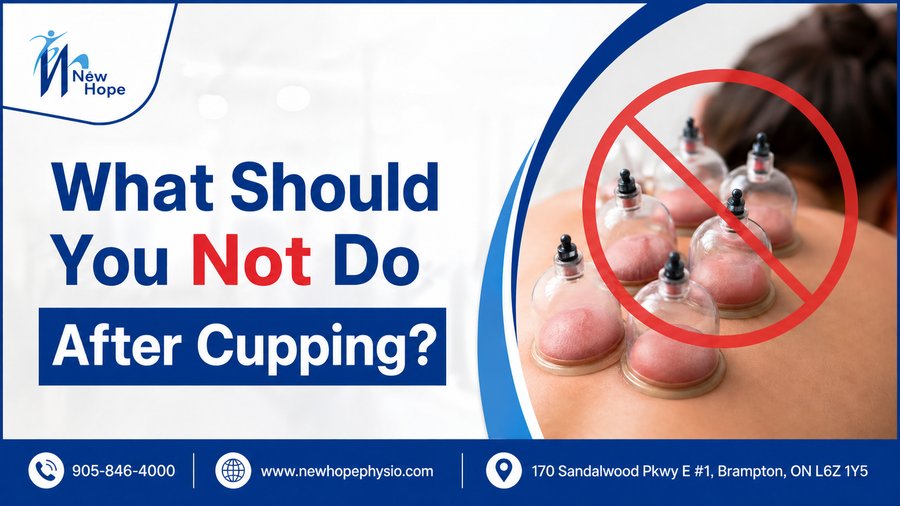
Your shower timing depends on whether the technique broke your skin and how sensitive your tissue feels.
Skin barrier recovery
Cupping therapy applies strong negative pressure that draws your microcirculation to the surface, stretching your skin and expanding your pores. This process leaves the treated zones vulnerable to temperature shocks and bacterial contamination. A trade-off of this deep tissue stimulation is temporary skin barrier weakness in exchange for increased local blood flow.
When you expose newly suctioned areas to hot water, fragile capillary beds expand further. That expansion worsens local bruising, triggers throbbing pain, and can cause lightheadedness from sudden shifts in blood pressure. Cold water causes the opposite issue: sensitive muscles contract sharply, which brings back the stiffness you paid your practitioner to relieve. Wet cupping involves making superficial incisions in the skin, which creates an entry point for pathogens. The National Center for Complementary and Integrative Health safety review warns that skin infection remains a primary risk when tissue is damaged during therapy.
Honest limits apply here because healing speed varies by person; thin skin marks longer, and you must check the clinic’s written instructions. This aftercare routine isn’t for people seeking a fast gym shower before heading straight back to high-intensity training.
If your skin remains intact without open micro-wounds, wait four to six hours before washing; if cuts, blisters, or broken tissues exist, wait a full twenty-four hours.
Bathing after your appointment
Follow these steps once your required waiting window has elapsed so your treatment sites heal comfortably without irritation.
- Test the water temperature with your wrist to verify it feels lukewarm rather than hot. The stream feels comfortably mild on thin wrist skin without giving off dense clouds of steam.
- Wash with plain water or a mild, unscented soap bar directly over your cupped circles. The skin produces a clean surface without any burning or stinging sensations around the marks.
- Avoid aggressive loofahs, abrasive brushes, or grainy body scrubs across all treated parts of your body. Your cupped areas stay calm without new redness or surface abrasions developing on the tissue.
- Pat the skin dry gently using a soft, fresh towel instead of rubbing back and forth across your marks. Treated areas become dry while the tender discoloration avoids friction and irritation.
- Wear loose, breathable clothing made from smooth natural cotton to shield the skin from dirt and drafts. The covered marks stay protected without tight seams pressing against bruised tissue.
The mistake people make
Taking a steaming hot shower thirty minutes after cupping therapy is the most frequent blunder people make. Rushing into the bathroom right away causes blood vessels to dilate excessively, which intensifies painful swelling and turns faint pink marks into dark purple discolorations. It costs you several extra days of painful skin tenderness and can ruin your treatment benefits entirely by re-triggering back spasms. Stepping into hot mist too early can also lead to dizziness or a sudden drop in blood pressure. You can easily avoid this issue by waiting out your timer and running lukewarm water on your inner wrist first.
When to stop and get help
Normal cupping marks fade away gradually over one to two weeks, but genuine tissue complications demand expert attention.
- Persistent yellow or green crusting across suction sites, which signals bacterial infection needing prompt antibiotic care.
- Pain that worsens sharply after forty-eight hours, meaning deeper soft tissue trauma occurred during the session.
- Blisters larger than a dime, which require evaluation from a doctor or urgent care clinic to dress safely.
- Fevers, shivering, or expanding red streaks, which demand an immediate medical evaluation at an emergency facility.
Frequently asked questions
Can I take a cold shower after cupping?
No. Cold water causes the relaxed muscles to tighten up quickly, reversing the pain relief from your session. Cold exposure also irritates sensitive nerve endings near freshly bruised skin. Wait the full window, then wash yourself with lukewarm water instead.
What happens if I shower too soon after cupping?
Your skin becomes irritated, tender, and noticeably inflamed. Hot water widens fragile capillaries under the suction zones, deepening bruises and sometimes causing lightheadedness. Wet cupping sites exposed to early shower runoff also run a higher risk of bacterial skin infections.
Is it safe to take a bath after cupping?
Submerging open skin pores or micro-incisions in stagnant bath water introduces bacteria that thrive in warm pools. Stick exclusively to brief, lukewarm showers once your basic waiting hours pass.
Can I wash my face if cupping was on my back?
Yes. Washing untreated areas of your body is safe right away as long as no water runs down over your marks. Use a moist washcloth at your sink so you can control water placement and keep your back completely dry.
Does it matter if I use body wash on cupping marks?
Yes. Scented body washes, exfoliants, and alcohol-based soaps cause severe stinging on tender tissue. Use mild, fragrance-free soap or simple warm water for the first two days after your treatment until surface sensitivity disappears.
How long do cupping marks take to heal?
Most marks fade completely within seven to ten days. Dark purple circles on areas with tight muscles take longer, sometimes lasting over two weeks. The discoloration lifts naturally as your body clears old blood from your dermal tissues.
What to do next
Put on a clean, loose cotton shirt right now and keep your treated skin away from water and direct drafts. Expect your cupping marks to look dark pink or purple today while remaining free of open sores. Stop self-care and contact a physician if you notice liquid oozing, red streaks, or blistering.
Related guides
- Clean Shower Curtain Mold With Vinegar: A Simple Guide
- Bath Fitter Shower Prices: Cost and Value Comparison Guide
- 3 Handle Tub and Shower Faucet Guide for Bathroom Upgrades