
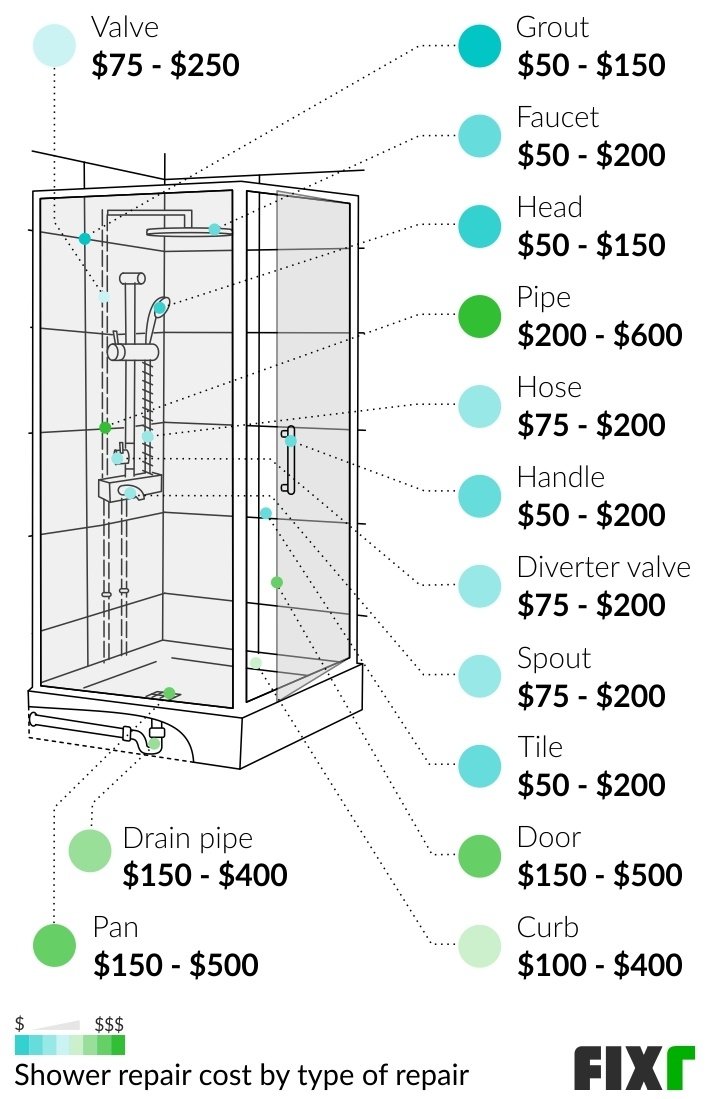
The cost to replace a shower valve depends on whether the plumber must cut into your wall: expect about two to three hours of professional labor for basic rear access, but nearly double that time if tile must come down.
Table of Contents
What a plumber charges to replace it
When repairing is the right call
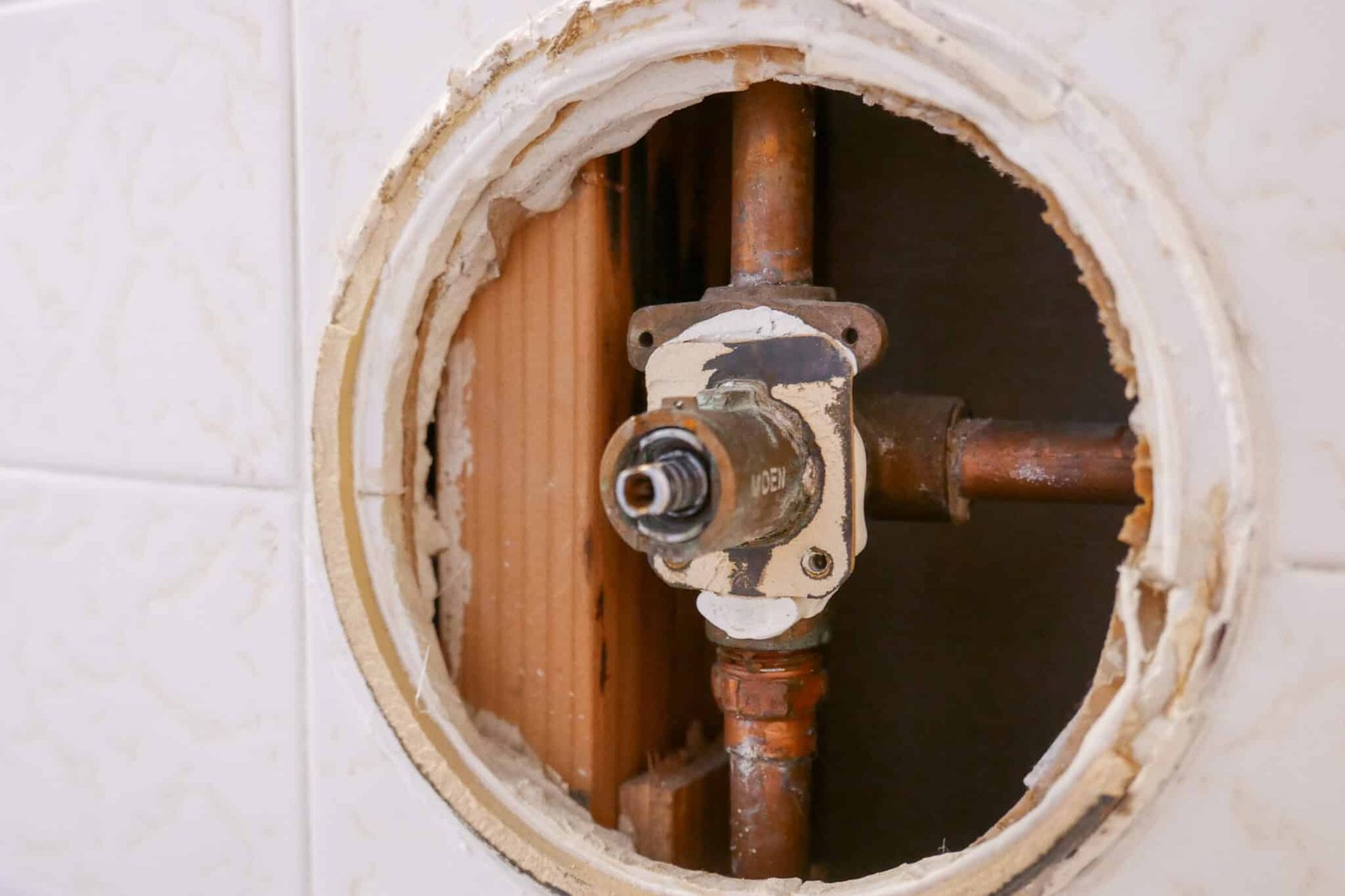
Repairing the existing setup is best when the metal body behind the wall remains solid and water only drips from around the handle. Most leaks happen because rubber O-rings wear out or mineral grit scores the internal plastic stem. In these cases, you only need a new cartridge or a fresh pressure-balancing spool rather than a brand-new valve assembly.
This work is faster and avoids tearing into your wall. A plumber usually completes a cartridge replacement in 45 to 90 minutes when the shutoff valves work properly and the old retaining nut frees up without torch heat. The trade-off is that you must track down the exact cartridge match. Pull the old part first, read the stamped brand name on the escutcheon plate, and count the splines on the stem tip to ensure you buy the exact model. If the shower is less than ten years old, a simple internal rebuild restores full water control for far less labor time than tearing out plumbing lines.
When replacing is the right call
Replacing the entire rough-in valve becomes unavoidable when the brass casting itself splits, threads strip out, or internal corrosion destroys the cartridge seating surfaces. Forcing a new cartridge into an out-of-round brass housing will still leak inside your wall cavity. This full replacement isn’t for someone hoping for a fast thirty-minute service visit, as cutting out the old assembly and soldering new copper takes between two and four hours under standard wall framing conditions.
A major trade-off of full replacement is wall disruption. If you lack a drywall access panel in an adjoining closet or bedroom, the plumber must cut through bathroom tile. In the United States, modern plumbing codes require certified scald protection to protect users from sudden temperature spikes. Look for units meeting the ASSE 1016 performance standard to prevent thermal shock injuries caused by pressure shifts when toilets flush elsewhere in the house. When your existing valve lacks this safety feature or shows severe corrosion, paying for repeated cartridge swaps is wasted money.
The costs people forget
- The initial diagnostic fee just to assess the leak from your shower handle.
- Drywall or tile reconstruction if the plumber must cut through the front shower surround.
- Emergency shutoff valve repairs if your main home water valve fails to close completely.
- Disposal fees for hauling away heavy scrap piping and demolished wall sections.
- Replacement escutcheon plates and trim handles if your old trim can’t attach to modern valve stems.
If you repair, ask this first
Before hiring a technician to service your existing unit, ask these specific questions:
- Do you carry the exact cartridge for my specific fixture brand on your truck? A missing stem adds hours of paid trip time.
- Will you test the internal brass seating for gouges before installing the new cartridge? Rough internal metal ruins a fresh rubber seal immediately.
- Do you use manual puller tools to remove frozen cartridges? Prying with standard channel locks can twist and fracture the internal copper supply pipes.
- Does your labor quote cover clearing scale out of the balancing spool? Mineral deposits often mimic a broken cartridge.
If the valve body requires open-flame sweating inside a confined timber wall, hiring a licensed plumber is necessary to manage fire hazards and comply with local mechanical codes.
If you replace, look for this
Select a replacement rough-in valve with integrated service stops. These small screwdriver-operated shutoffs sit directly on the valve body ears, letting anyone shut off water to that specific shower during future cartridge changes without cutting supply to the rest of the house.
Choose a solid forged brass or cast bronze body rather than thin-walled alloy metals. This varies by model — check the label on the retail box to confirm the metal composition and certification marks. A common mistake people make is buying an incompatible cosmetic trim kit before buying the valve body, which costs them return fees or forces them to purchase another rough-in kit entirely. Make sure your new rough-in matches the exact depth of your finished wall substrate to prevent the handle from protruding awkwardly or bottoming out against the surround.
Frequently asked questions
Can a handyman replace a shower valve?
Yes, if your local municipality doesn’t mandate a licensed tradesperson for closed-wall supply alterations. However, jobs requiring torch work near structural wood framing or pipe re-routing should go to a licensed plumbing contractor to maintain insurance compliance.
How long does a shower valve replacement take?
About two to three hours under standard conditions with an open drywall rear access panel. The work takes between four and six hours if the technician must work entirely from the front through a tight tile opening.
Is it safe to use a shower with a leaking valve?
No, because continuous drips often run backward along the valve body and soak interior wall framing. This creates hidden structural rot and toxic mold inside your bathroom wall long before moisture shows on the baseboard.
What happens if the rough-in depth is wrong?
The finish handle will either fail to reach the internal stem or stick out inches from the tile. Correcting an incorrect rough-in depth requires cutting the water lines again and resetting the valve mounting bracket.
Does a new shower valve include the decorative trim?
No, rough-in valves and decorative trim kits are usually packaged separately. You must verify that your chosen handle kit is fully compatible with the specific rough-in cartridge series before beginning the project.
Why is no hot water coming from my valve?
The pressure-balancing spool is likely stuck inside the valve cartridge due to mineral build-up. When this internal slider freezes, it can prevent the valve from properly mixing hot and cold water, often resulting in a loss of temperature control.
Final Thoughts
Before you commit to a specific pro, it’s a good idea to get at least three written quotes from local businesses. Don’t hesitate to ask if they’ll handle the wall repairs afterward, as you’ll want to be sure your bathroom looks just as good as it did before they started.