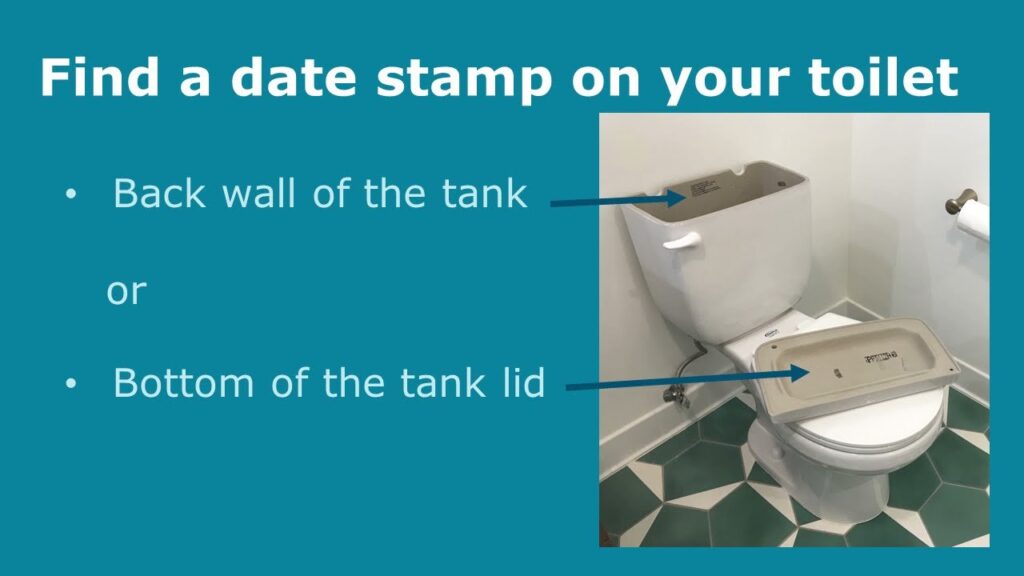
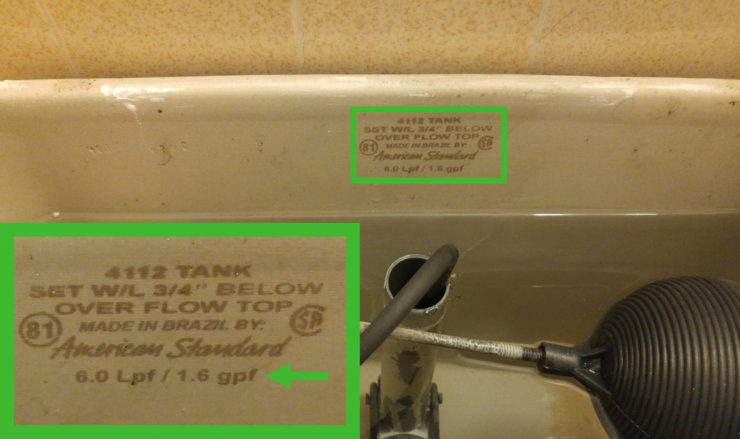
How much water does a toilet use? A standard modern model requires 1.6 gallons per flush, while high-efficiency versions need 1.28 gallons for any home built after 1994. Older units from before 1992 use 3.5 to 7 gallons every flush. You can find your exact rate stamped on the back of the bowl or inside the tank.
The build year of the porcelain fixture controls this volume entirely. A stamped rating tells you the design limit, but worn tank parts often turn a low-flow unit into a continuous leak.
The most common trap is assuming a tank always uses its stamped rating without checking the fill valve level inside. If the water rests higher than the overflow pipe, it dumps clean volume down the drain day and night.
Table of Contents
How much water your toilet uses
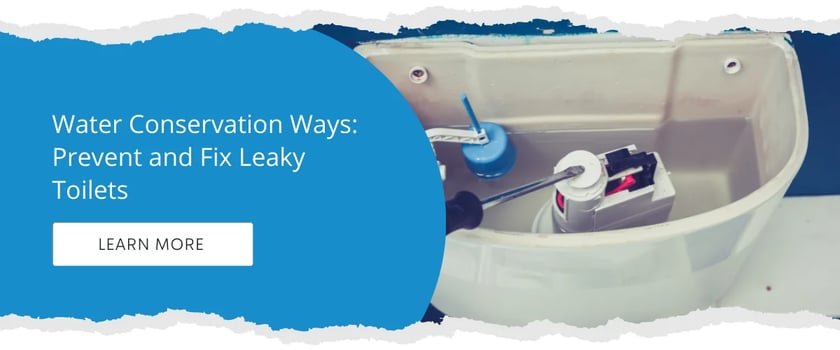
- Remove the tank lid carefully and set it flat on a towel on the floor so it doesn’t crack.
- Mark the resting water level on the inside wall of the tank using a pencil.
- Shut off the water supply valve behind the base by turning the handle clockwise until it stops tight.
- Flush the toilet once and hold the handle down completely until the flapper closes shut.
- Turn the water valve counterclockwise to refill the tank, and hire a licensed plumber if your shut-off valve is stuck or leaks around the stem.
Tip: If you see water trickling over the top of the open overflow tube before flushing, lower the float adjustment screw right away.
How long it takes
Tank fill speed and volume checks take only a few minutes when parts work properly.
| Situation | How long | What changes it | What to watch for |
|---|---|---|---|
| Modern 1.28 GPF toilet | 30 to 45 seconds | Household water pressure | Crisp shut-off click at the fill valve |
| Standard 1.6 GPF toilet | 45 to 60 seconds | Supply line diameter | Water stopping exactly at the marked line |
| Pre-1992 3.5 GPF toilet | 60 to 90 seconds | Mineral buildup in shut-off valve | Slow, hissing fill cycles near the end |
| Leaking flapper test | 15 to 20 minutes | Dye tablet dissolving rate | Color seeping into the bowl without flushing |
If your tank takes longer than two minutes to fill completely, inspect the shut-off valve behind the toilet to confirm it’s open all the way.
How to tell when it’s done
The tank finishes filling when the internal valve shuts off with a firm snap and the water surface goes completely still. You should hear no hissing, whistling, or trickling sounds from the porcelain bowl. Look for the official rating stamped into the porcelain right behind the hinge bolts or on the inside back wall of the tank. The EPA WaterSense program specification certifies fixtures that use no more than 1.28 gallons per flush. To verify the seal holds, drop four drops of food coloring into the tank; if color appears in the bowl after fifteen minutes without flushing, the flapper is leaking.
Mistakes that ruin it
- Dropping brick weights into the tank: Bricks slowly break down in standing water and shed grit that jams the flapper open, which causes continuous running. Use a sealed plastic bottle filled with clean water and pebbles instead if you want to displace space.
- Ignoring a slow flapper leak: A silent leak wastes dozens of gallons every single day without making an obvious sound. Replace the rubber flapper every few years when it feels sticky or stiff to the touch.
- Setting the float too high: Water spills endlessly into the open overflow pipe whenever the float sits higher than the tube’s rim. Turn the adjustment screw counterclockwise to keep the water level one inch below the top edge.
Can a running toilet increase a water bill?
Yes, a continuously running toilet can waste over one hundred gallons of clean water in a single day. That hidden leak can significantly increase a monthly utility bill if left unaddressed. Inspect the tank flapper immediately whenever your bill jumps without an obvious change in family use.
Why do older toilets use more water?
Older fixtures were designed before federal laws took effect in 1994 to restrict residential water use. Those older designs relied on larger volumes of water to initiate a siphon through the trapway. They clear waste reliably, but they empty three times more water per use.
How long does a toilet flapper usually last?
A standard rubber flapper lasts between three and five years under normal municipal water conditions. Harsh drop-in chemical bleach tablets will destroy the flexible seal in under one year. Replace the flapper as soon as it leaves black residue on your fingers during a touch inspection.
Is it safe to put plastic bottles in the tank?
Yes, placing a sealed water bottle weighted with gravel into the tank safely reduces your flush volume by about one quart. This DIY displacement isn’t for dual-flush or high-efficiency models that already use minimal volume. Make sure the container rests far away from the moving flush lever.
What happens if the water level is set too low?
A low water level leaves the toilet without enough downward force to clear solid waste in one flush. You’ll end up flushing twice to clear the bowl, which cancels out any water savings. Raise the float until the pool sits roughly one inch beneath the overflow opening.
Final Thoughts
If you’re worried about your utility bills, it’s worth checking the tank for a slow hiss. A quick dye test can reveal hidden leaks that waste gallons every day. Fixing these small issues isn’t hard, and you’ll save quite a bit of money once everything’s running efficiently again.
Related guides
- Bathroom Walls Sound Like Running Water: How to Find the Leak
- Why You Should Always Flush the Toilet Before Using It
- Bathroom Light Fixtures Over Mirror: The Complete Guide