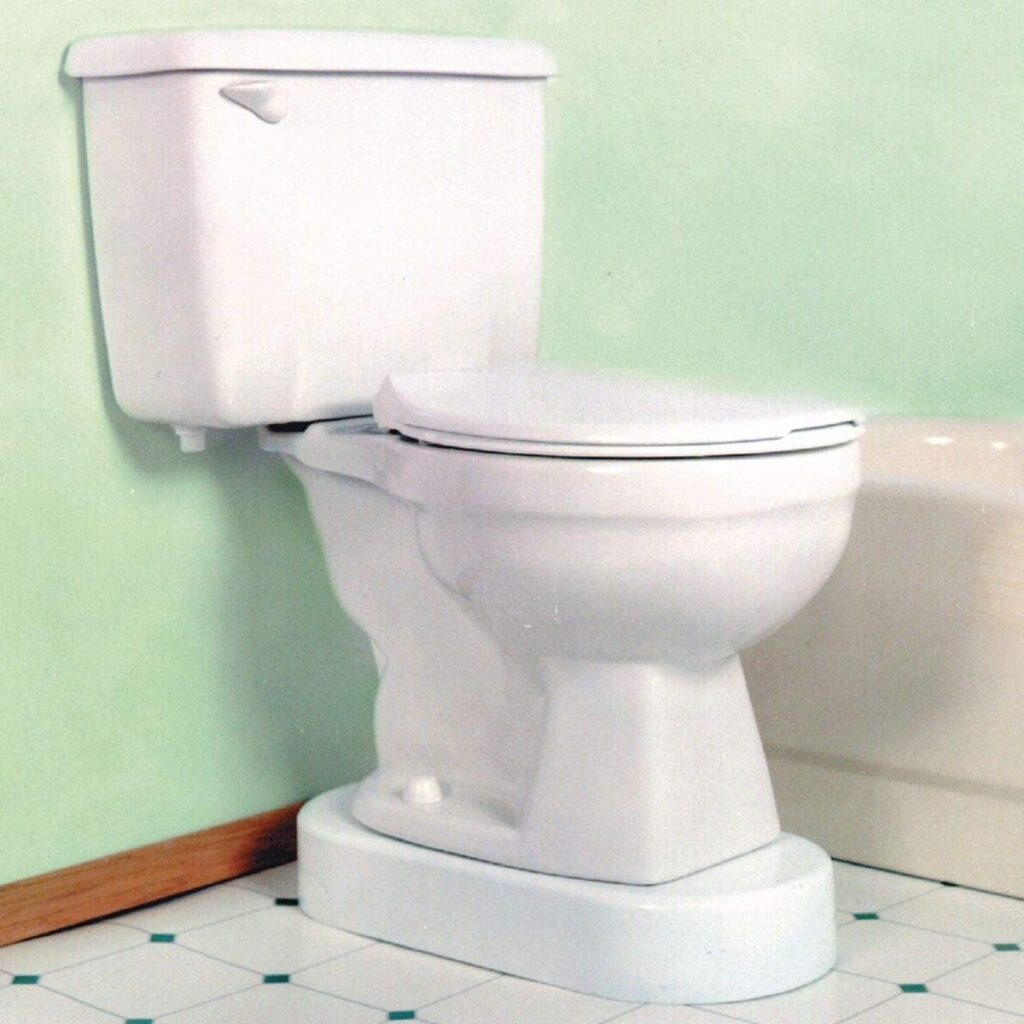

A running toilet or an active leak makes your bathroom walls sound like running water. It’s safe to use your plumbing for a few minutes while you check, as long as you don’t see water pooling on your floors. To find the source, shut off the toilet supply valve behind the bowl and listen closely. If the rushing noise stops instantly, your toilet is the culprit; if it keeps going, a pipe behind the drywall is likely leaking.
Table of Contents
Why your bathroom walls sound like water
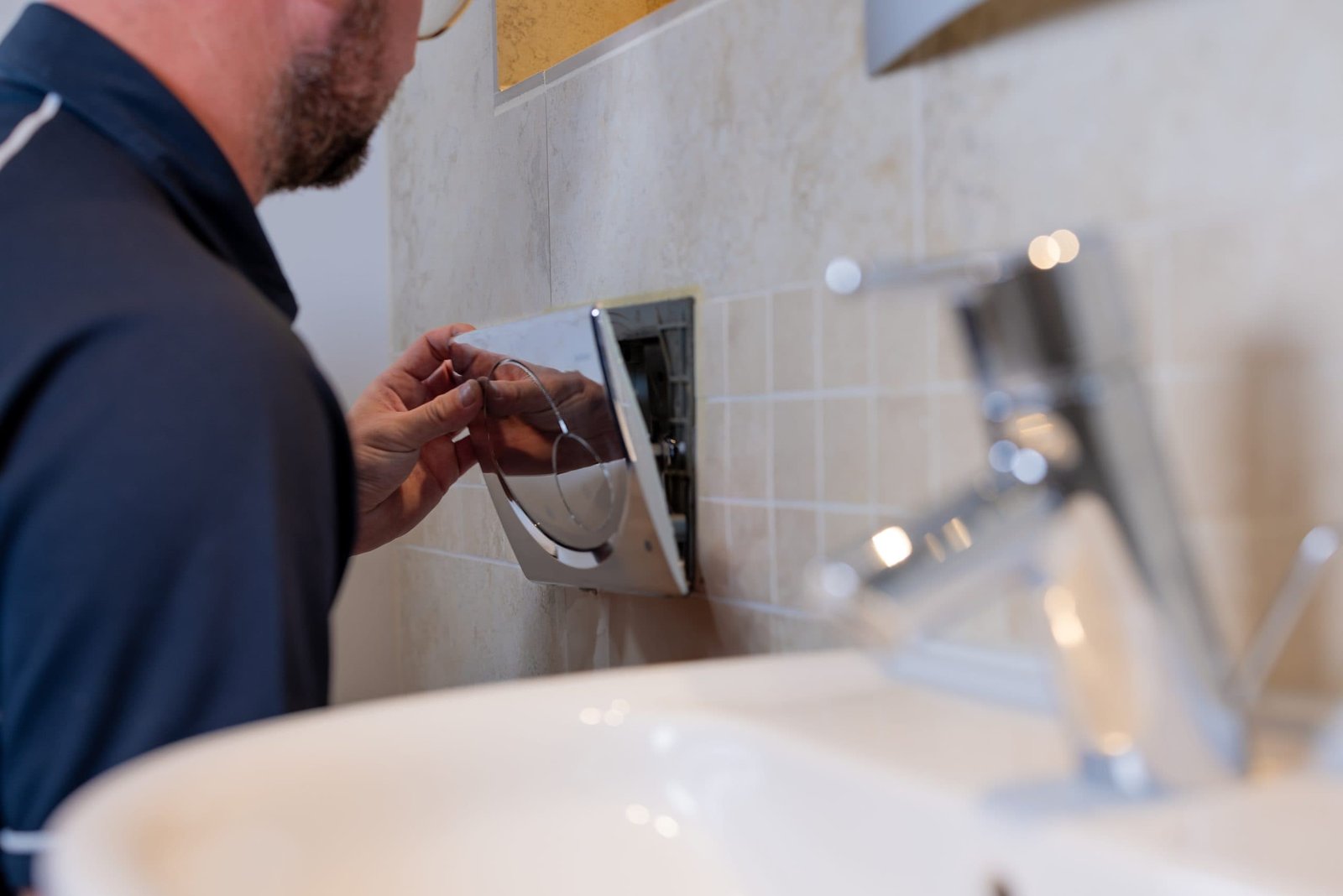
Listen to the noise patterns to match your sound with the most likely cause.
| What you notice | What it usually means | What to do first |
|---|---|---|
| Steady hiss behind toilet wall | Toilet fill valve is leaking | Turn off toilet shutoff valve |
| Trickle sound after flushing | Flapper isn’t sealing | Check flapper position in tank |
| Constant rushing when taps off | Supply pipe is cracked | Check your main water meter |
| Rushing noise when washer runs | Shared drain line filling | Wait until wash cycle finishes |
| Loud bang when tap closes | Water hammer shock wave | Install a water hammer arrestor |
A running toilet tank
A damaged toilet flapper or an unsealed fill valve causes most wall sounds. Water flows slowly from the tank down into the bowl, which forces the fill valve to run constantly to replace it. This creates a steady hiss that echoes through your wall studs. You can confirm this in 30 seconds without any tools: take the tank lid off and watch the water level. If water spills into the tall overflow tube, or if you see ripples on the bowl surface, the toilet is running.
To fix it, lift the float arm gently. If the sound stops, set your float height half an inch below the overflow pipe using the adjustment screw. If water still seeps past the base, replace the rubber flapper. Replacing this part yourself saves money, but the trade-off is spending an hour working around dirty tank hardware. You’ll know it worked when the tank fills completely, clicks shut, and stays totally silent. This fix isn’t for broken cast iron drain lines under the floor.
A broken water supply pipe
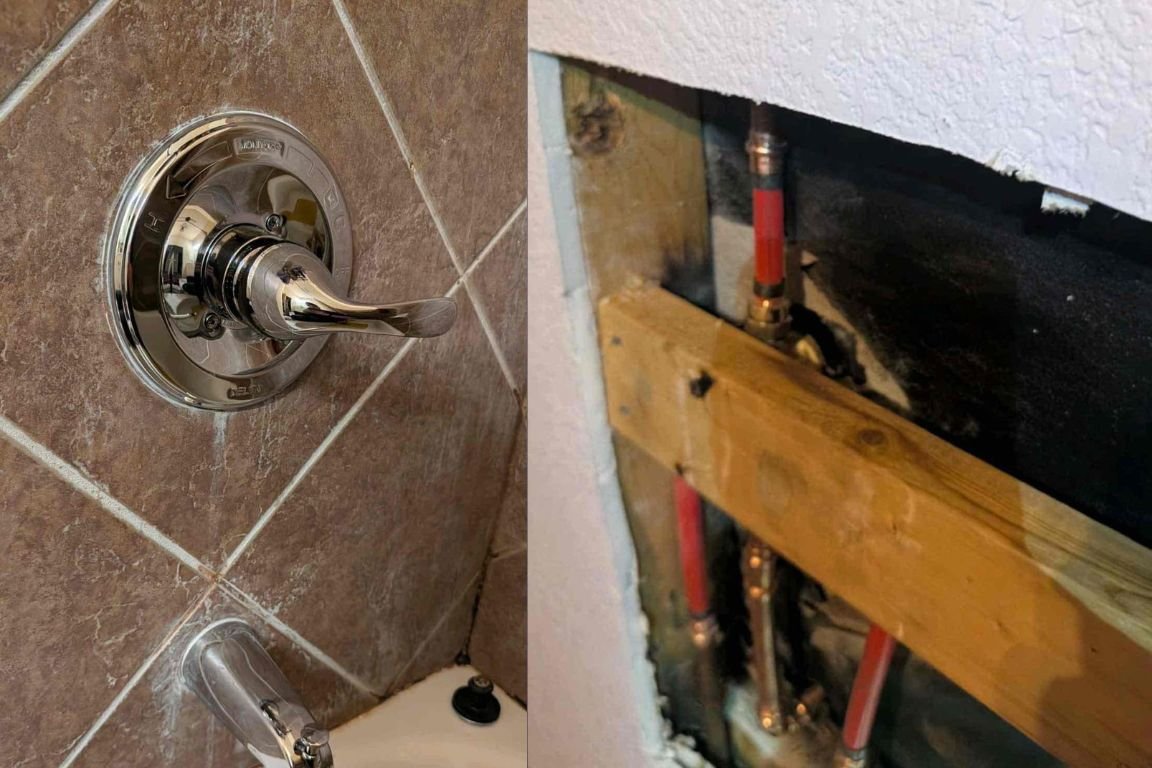
A cracked copper or PEX pipe inside the wall cavity causes a constant, loud rushing sound. This happens when joints fail, pipes freeze, or high water pressure wears down the metal. To confirm a hidden leak, shut off every faucet, shower, and water appliance in your home. Go outside and check your water meter dial. If the small low-flow indicator triangle keeps spinning while every valve is closed, pressurized water is escaping into your walls.
According to the EPA WaterSense fix a leak guidance, an average household leak can waste thousands of gallons of clean water each year. If you find a leak, turn your main water shutoff valve clockwise until it stops. You can tell this problem apart from a running toilet because the meter spins even when the toilet’s individual valve is shut tight. The noise will stop only when the main house valve is fully closed.
Thermal expansion in drainage lines
Drain pipes expanding and rubbing against wooden wall studs create a rhythmic ticking or trickling sound. Hot water from a bath or shower warms plastic PVC or copper drain lines quickly. As the pipe heats up, it expands in length and scrapes against the wooden framing holes. Many people mistake this clicking for water dripping behind the drywall, and they pay for unnecessary wall repairs when the plumbing is physically sound.
To tell this apart from an active pressure leak, note when the noise happens. Thermal sounds appear only for 10 to 15 minutes right after you drain hot water, and the sound fades as the pipe cools down. A real supply leak runs without stopping day and night. If the noise stops on its own after the tub empties, your pipes are safe, though you may need plastic pipe isolators if the sound bothers you.
When to stop and get help
- The water meter dial spins while your home shutoff valve is closed, which means the break sits underground near your foundation.
- Drywall feels soft, bulges outward, or shows brown stains, which means structural framing is taking on water.
- You smell a strong sewage odor or damp mold, which signals a split drain vent line.
- Water pools around electrical outlets or baseboards, which creates an immediate fire and shock hazard.
Call a licensed plumber right away when you see these signs. Finding and fixing a pipe hidden inside a load-bearing wall requires specialized pressure tools and building permits that an ordinary homeowner doesn’t have.
Frequently asked questions
Can a running toilet sound like a pipe leak?
Yes, a running toilet makes a steady rushing sound that carries straight through drywall studs. The water moves through copper lines continuously, which sounds identical to a hidden pipe break until you shut the toilet’s chrome valve to check.
Why do I hear water running if all taps are off?
A cracked supply line or a failed appliance valve is leaking water behind your walls. Check your main water meter out front; if the dial moves while your faucets stay off, water is escaping from a pressurized pipe somewhere in the house.
Is it safe to leave a running water sound overnight?
No, leaving a running water sound overnight risks massive drywall damage, mold growth, and soaked subfloors if a supply line has split. If you can’t find a running toilet causing the sound, turn off your main water valve before going to sleep.
How long can a pipe leak behind a wall before showing damage?
What happens if I ignore the rushing sound?
Your monthly water bill will spike, and moisture will rot your wall framing and grow toxic black mold. If the pipe bursts completely under city water pressure, it can flood the bathroom floor and ruin the ceiling below it in minutes.
Does water hammer sound like running water?
No, water hammer causes a single loud thump or banging noise right when a valve shuts off quickly. A running water sound is a smooth, continuous hiss or rumble that doesn’t stop when you close your sink faucets.
Final Thoughts
If you still hear that persistent rushing sound after checking your fixtures, it’s time to call a professional plumber. Don’t wait for the drywall to show signs of damage or mold. Getting an expert to inspect your pipes early won’t just save your peace of mind; it’ll also prevent a costly emergency.
Related guides
- Bathroom Light Fixtures Over Mirror: The Complete Guide
- All Bathroom Outlets Not Working: How to Reset Your GFCI
- Bathroom Remodel No Payments for Two Years: How It Works