A modern standard toilet uses 1.6 gallons per flush, while older models use up to 7 gallons. The amount of water it takes to flush a toilet depends mainly on when the unit was manufactured. Federal law has capped US residential toilet volume at 1.6 gallons since 1994, though high-efficiency fixtures use even less.
Table of Contents
How much water a flush takes
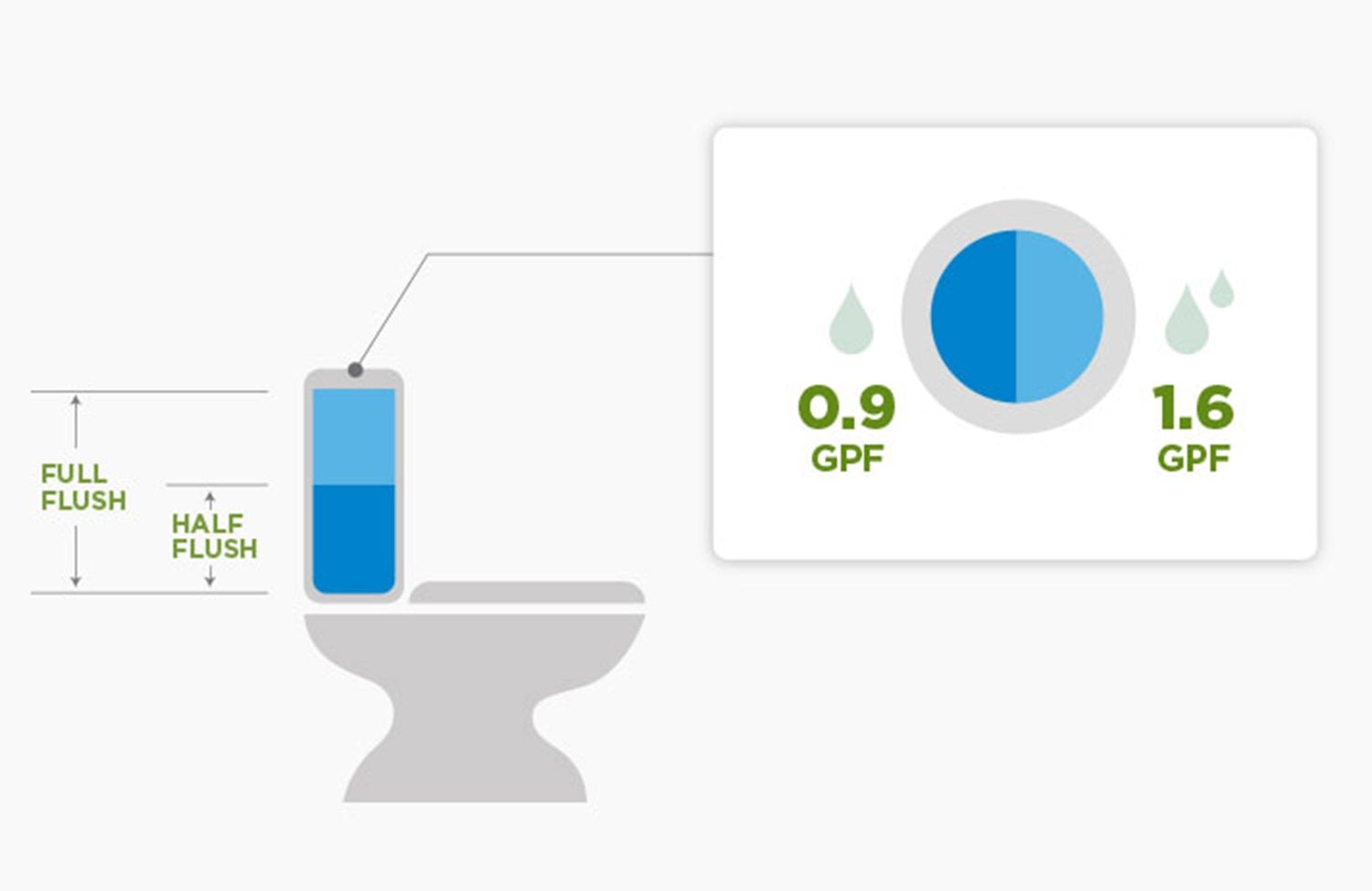
- Fixtures built before 1980 consume 5.0 to 7.0 gallons per flush.
- Units sold between 1980 and 1993 generally use 3.5 gallons per cycle.
- Federal standard models built after 1994 must use no more than 1.6 gallons per flush.
- Modern dual-flush systems provide a 1.1-gallon option for liquid waste.
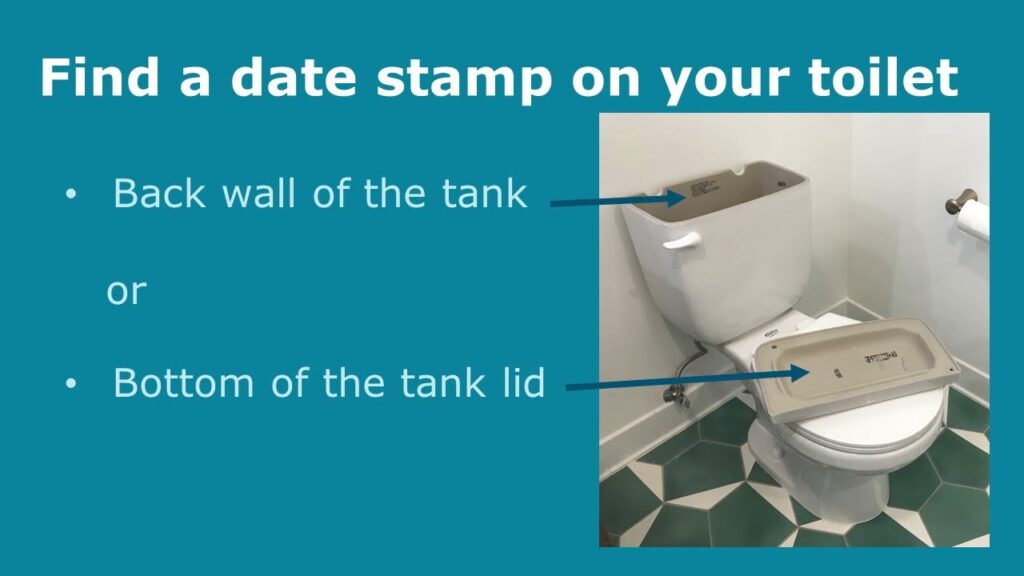
- The stamped text behind your seat hinge reveals your fixture’s certified flow rate.
Why older toilets require extra volume
Gravity-fed plumbing relies on water weight to push waste over the internal trapway. Older toilets used wide channels with rough, unglazed ceramic interiors that created massive friction against moving waste. Because of this poor flow design, tanks required up to seven gallons of standing water to generate enough head pressure to start the siphoning action.
Engineers redesigned the internal bowl geometry after national efficiency laws took effect. Modern bowls feature fully glazed, narrower siphon jets that shoot water directly into the trapway. This focused stream creates an instant vacuum using less than half the liquid. According to the EPA WaterSense program, certified modern fixtures use no more than 1.28 gallons per flush while matching the clearing force of older units. You get clean bowl surfaces from velocity rather than sheer volume.
The trade-off with low-flow fixtures involves pipe maintenance downstream. Older cast-iron home drainpipes need sufficient water volume to carry waste all the way to municipal sewer mains. If you install an ultra-efficient toilet on a flat, decaying pipe run, solid waste might settle before exiting your property line.
When the answer is different
Water usage changes significantly depending on the design, age, and installation setup of the toilet fixture.
| Situation | What changes | What to do instead |
|---|---|---|
| Pre-1980 vintage fixture | Uses 5.0 to 7.0 gallons | Place a displacement bag inside |
| Dual-flush button pressed | Drops to 1.1 gallons | Use small button for liquids |
| Commercial flushometer | High line pressure cleans bowl | Rely on direct pipe pressure |
| Bucket pour flush | Requires 1.0 to 2.0 gallons | Dump water rapidly into center |
| Leaking flapper valve | Wastes hundreds of gallons daily | Replace worn flapper immediately |
How to do it properly
- Check the porcelain surface behind the hinge bolts to find the factory-stamped flush volume rating.
- Shut off the wall supply valve completely by turning the oval handle clockwise until it stops moving.
- Remove the ceramic tank lid carefully and place it flat on a folded towel to avoid cracking.
- Measure the standing water depth with a tape measure, then mark the current line using a pencil.
- If the water level sits above the mark, turn the fill-valve adjustment screw counterclockwise by two full turns.
- If the water level sits below the line, turn the adjustment screw clockwise to raise the resting volume.
- Turn the supply valve on, let the tank refill, and ensure water stops one inch below the overflow tube.
The mistakes that ruin it
- Dropping standard red clay bricks inside the tank causes them to crumble, which can damage the flush valve or prevent the flapper from sealing.
- Pouring bucket water too slowly during power outages fills the bowl without ever triggering the siphon action.
- Cutting the overflow tube too short causes water to drain into the bowl before the tank can reach the fill level.
- Installing a universal flapper without checking your model’s timing causes the tank to empty prematurely.
Frequently asked questions
Can you flush a toilet with a bucket of water?
Yes, dumping one to two gallons of water directly into the bowl flushes it without running water. Pour the water rapidly into the center of the bowl to create the siphon effect. Dumping it too slowly only raises the bowl level without clearing the waste.
Why does my toilet keep running after a flush?
A worn flapper valve or an improper fill-valve float height causes continuous water flow. When the rubber seal warps, water leaks steadily into the bowl, forcing the valve to run endlessly. This simple failure can waste several hundred gallons of clean household water every week.
How long does a toilet tank take to refill?
A standard residential tank refills completely within 60 to 90 seconds under normal home water pressure. If your tank requires three minutes or longer, check the shutoff valve near the floor to make sure it’s open all the way.
Is it safe to put a plastic bottle in the tank?
Yes, placing a sealed water bottle filled with pebbles inside the tank safely displaces water to save volume. This tactic isn’t for modern high-efficiency toilets, because removing water from fixtures designed for 1.28 gallons leads to clogs.
What happens if the water level is set too high?
Water drains continuously down the open overflow tube directly into your sewer lines. Setting the float too high doesn’t improve clearing power; this varies by model, so check the tank label for the correct level.
Does holding the flush handle down use more water?
Yes, holding the lever forces the flapper to remain suspended open until the entire tank drains empty.
Final Thoughts
If you aren’t sure how much your current fixture uses, check the stamp behind the seat or inside the tank for the volume details. Replacing an outdated model is a simple way to save resources, so you shouldn’t hesitate to upgrade if your home’s plumbing feels like it’s wasting too much.
Related guides
- Why You Should Always Flush the Toilet Before Using It
- Cheapest Place to Buy Toilet Paper Near Me: Where to Save
- Bathroom Sink Filling With Water By Itself: How to Fix It