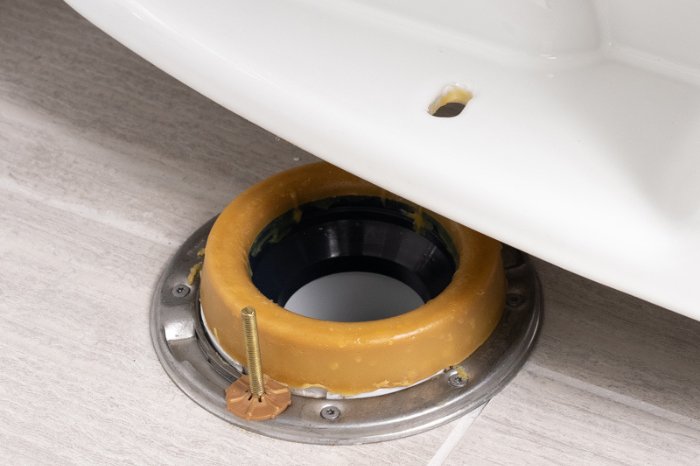
A wax gasket should hold for decades without touch, so the frequency of replacing toilet seals depends entirely on whether the toilet has moved or started leaking. The seal doesn’t have a set expiration date on the calendar. Instead, you only replace it when the bowl rocks, water pools on the bathroom floor, or sewer odors escape into the room.
Table of Contents
Deciding if toilet seals need replacing

| If this is true | Repair | Replace |
|---|---|---|
| Bowl rocks because closet bolts loosened | Tighten bolts to check seal | Reset with new gasket if loose |
| Sewer gas smell near base | Air test plumbing first | Install new wax or rubber seal |
| Water seeps out after every flush | Check supply line for drips | Install a brand-new base seal |
| Remodeling room with new tile floor | Keep existing seal untouched | Install new seal for new height |
| Porcelain base has a hairline crack | Don’t repair broken china | Buy a completely new toilet |
| Seal is 10 years old with no leaks | Leave the fixture alone | Don’t change working seal |
When repairing is the right call
Leaving an existing seal in place or doing a simple bolt adjustment is the right move when the wax bond hasn’t broken. If a toilet rocks slightly because a bolt backed off, tightening that bolt half a turn with a wrench can steady the fixture before the wax distorts. You don’t need a teardown if the water on your floor is simply condensation dripping off a cold tank during humid summer months.
Checking the water supply line and shutoff valve first saves time and cash. A slow drip from a tank bolt or fill valve often runs down the porcelain, pooling right at the base and looking like a blown ring. If you dry the floor and wrap paper towels around the tank bolts for 3 flushes, you’ll see if the leak starts higher up. If the porcelain doesn’t move and stays dry after you fix a loose supply hose, the base ring is intact. This isn’t for toilets that shift under adult body weight. When the base shifts sideways even half an inch, the wax crushes out of shape and will never rebound.
When replacing is the right call
Pulling the toilet and replacing the seal is mandatory whenever the bowl rocks noticeably or raw sewage seeps past the base. Wax forms a custom gasket under the weight of the toilet, but it has zero memory. Once broken, it never reseals itself. Continuing to use a toilet with a broken seal lets dirty wastewater soak your subfloor, inviting severe rot and mold. The EPA mold cleanup guide explains that porous materials like wood subflooring can sustain permanent moisture damage if left wet for more than 24 to 48 hours.
A replacement is also necessary whenever you pull the bowl to clear a severe drain clog or install thicker flooring. If you add tile that raises floor height by 1/2 inch, the old closet flange sits too low, meaning a standard wax ring won’t compress properly. You must replace the seal and use an extra-thick ring or flange extender. A common mistake people make is stacking two cheap wax rings off-center to bridge the gap; this slides sideways, blocks the drain path, and costs hundreds in emergency plumber calls later.
The costs people forget

- Plumbers charge a diagnostic trip fee just to walk through the door and inspect a leaking base.
- The bathroom stays out of commission for the duration of the installation and testing process.
- Failing to set the ring correctly on the first drop ruins the wax, forcing a second store run for another ring.
- Rotted subflooring hidden under a leaking toilet flange often requires structural wood repair before a new seal can sit level.
- Disposing of old, wax-covered porcelain at local waste transfers often carries a separate municipal bulk-trash fee.
If you repair, ask this first
Before you hire a technician to pull the toilet and reset the seal, ask these questions:
- Does your estimate include replacing rusted closet bolts and the brass flange ring if the old ones snapped? A damaged mounting flange must be reinforced or the new seal will fail immediately.
- Do you use standard wax, extra-thick wax, or foam-rubber seals for deep flanges? The right material depends on whether your flange sits above or below finished tile.
- How do you check the subfloor for water rot once the bowl is off? Hidden wood rot prevents the bolts from anchoring firmly.
- Is the service covered by a workmanship warranty if water leaks within 30 days? A proper reset shouldn’t leak at all.
Stop immediately if you discover a cracked closet flange below the floorboards; replacing broken iron or PVC waste pipes requires a licensed plumber to avoid building code violations.
If you replace, look for this
When shopping for a replacement seal, your decision rule is straightforward: if your flange sits below the finished tile floor, choose an extra-thick wax ring with an integrated polyethylene horn; if the flange sits proud of the floor, use a standard wax ring. The horn helps funnel waste directly into the 3-inch or 4-inch drain pipe without catching on flange edges.
Another option is a modern wax-free rubber seal. These use flexible silicone or rubber ribs that slide inside the drain pipe. They offer a clear trade-off: they cost more than traditional wax, but they tolerate slight movement and let you reposition the bowl during installation without ruining the seal. Check your toilet’s manual or measure from the floor to the flange top before buying, because this varies by model and installation depth.
Frequently asked questions

Can a toilet seal last 30 years?
Yes, a wax toilet seal can easily last for many years if the toilet remains bolted down and never moves. Wax can lose its plasticity and effectiveness over very long periods.
How do I know if my toilet seal is bad?
Water pooling around the base after flushing is the clearest sign that your seal has failed. You might also notice a persistent sewer gas odor or find that the toilet wobbles when you sit down on it.
Is it safe to use a toilet with a broken seal?
No, it isn’t safe because wastewater leaks onto your subfloor with every single flush. This moisture rots the wooden floor structure underneath and releases harmful sewer gases, including methane and hydrogen sulfide, directly into your home.
Why does my toilet smell like sewage but has no leak?
A tiny gap in the wax ring can allow sewer gas to escape into the room even if water hasn’t started spilling out yet. Air finds smaller gaps than water, especially when atmospheric pressure shifts inside the waste stack.
What happens if you don’t replace a leaking wax ring?
Water will slowly rot your bathroom subfloor, joists, and ceiling drywall in the room directly below. Over several months, structural wood decay can cause the toilet to sink into the floor, requiring thousands of dollars in carpentry repairs.
Does plunging a toilet damage the seal?
High backpressure created by clearing a tough clog pushes dirty water sideways right past the seal’s weakest point.
Final Thoughts
If you notice any wobbling or dampness around the base, don’t ignore it, as a small leak can quickly damage your subfloor. It’s best to inspect the area once a year while you’re cleaning. If you’re ever unsure about the condition of your seal, call a plumber to be safe.
Related guides
- Why You Should Always Flush the Toilet Before Using It
- Cheapest Place to Buy Toilet Paper Near Me: Where to Save
- Can You Sit on a Toilet Seat Lid? Safety and Weight Limits