A single-piece floor model with an elongated seat works best for most homes because it cleans easily and resists leaks. You only want a wall-hung unit if your bathroom is tiny and your budget allows major masonry work. To choose western commode fixtures, start by matching your bathroom’s exact rough-in size before you pick any style features.
Table of Contents
Comparing your western commode options

The right fixture depends on your floor space, your plumbing setup, and your budget.
| Method | How long | Effort | Cost | Best for |
|---|---|---|---|---|
| Floor-mounted two-piece | 1 to 2 hours | Medium | Low | Tight budgets and simple repairs |
| Floor-mounted one-piece | 1 to 2 hours | Medium | Medium | Quick cleaning and family homes |
| Wall-hung with hidden tank | 4 to 6 hours | High | High | Small bathrooms needing floor space |
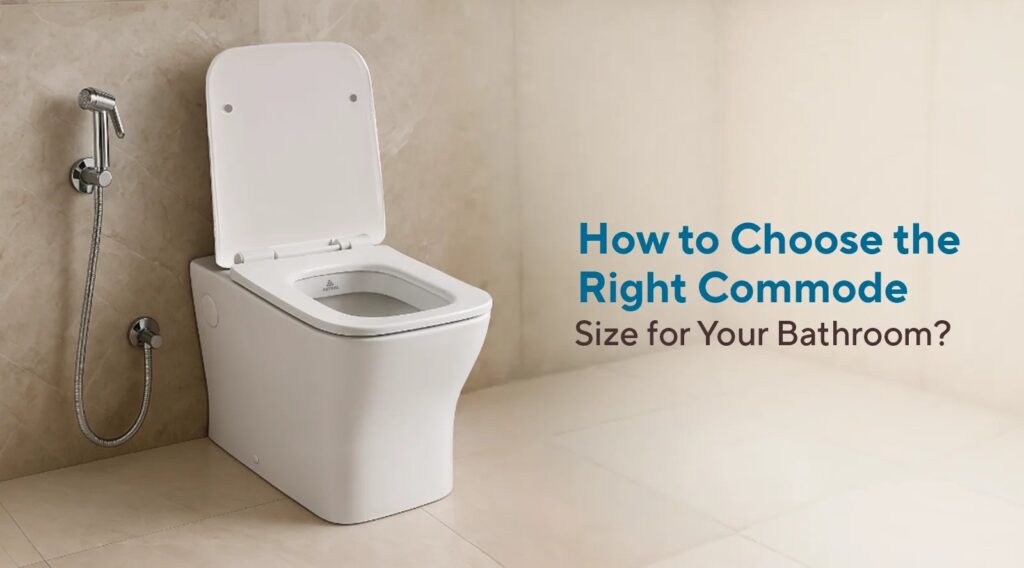
Floor-mounted one-piece units
- Measure your rough-in distance from the finished back wall to the center of the floor drain pipe, which is usually 12 inches (or 300 mm).
- Choose an elongated bowl profile if you have at least 21 inches of clear space in front of the bowl.
- Check that the unit includes a dual-flush valve so you can pick between a light flush or a full flush.
- Set the wax ring squarely over the drain flange, lower the heavy porcelain straight down, and tighten the floor bolts until snug.
These units look sleek because the water tank and bowl are fused into one solid piece of ceramic. You’ll wipe dirt off the smooth sides quickly since there’s no gap behind the seat hinges. The main downside is weight; the entire unit is heavy, so lifting it into place without cracking the base is tough for one person.
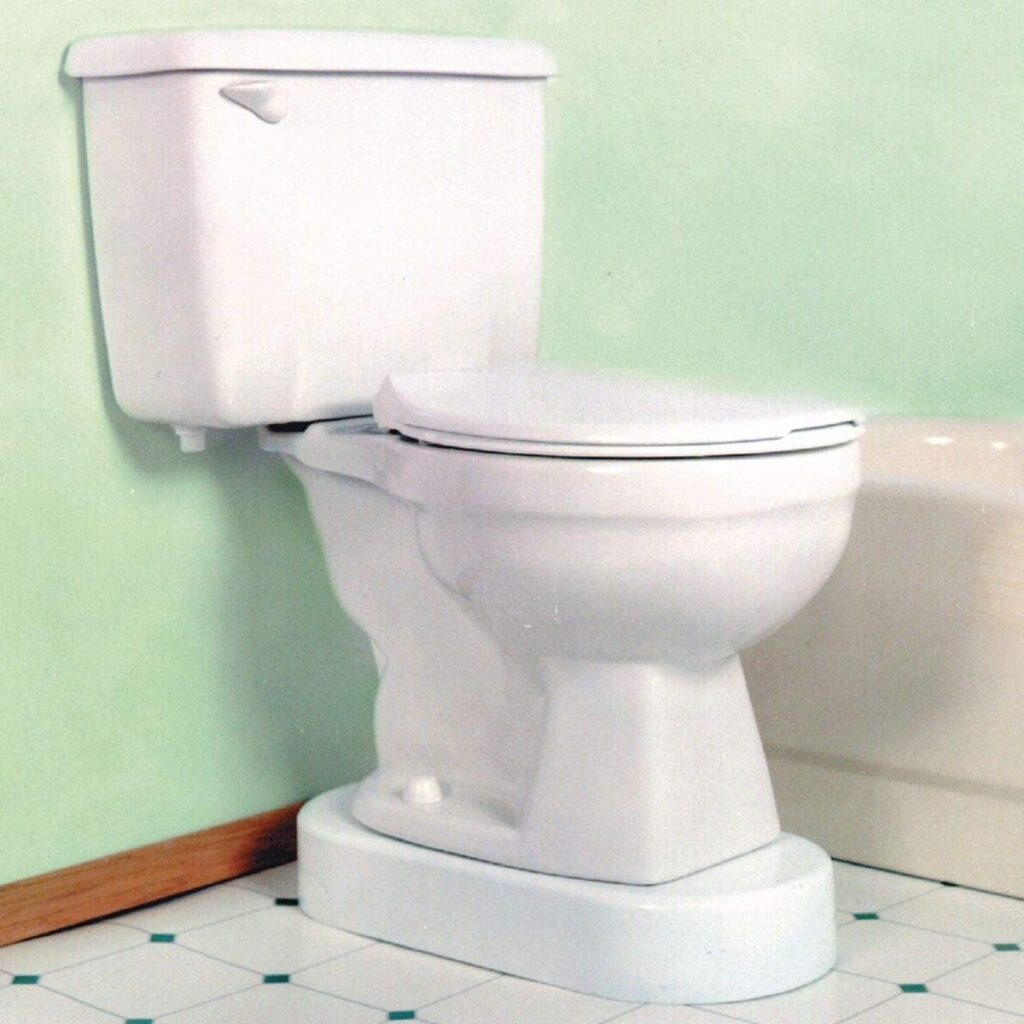
Floor-mounted two-piece units
- Measure the rough-in hole to confirm it aligns with the standard 10-inch or 12-inch base options.
- Bolt the empty bottom bowl to your floor flange first using brass hardware.
- Place the rubber donut gasket over the flush valve opening on top of the bowl.
- Mount the separate cistern tank onto the bowl deck and tighten the tank bolts evenly until the tank sits level.
This setup is cheap to buy, and carrying each separate piece up a flight of stairs doesn’t strain your back. If the cistern ever cracks later, you can replace just the tank without ripping the bowl off your bathroom floor. The trade-off is hygiene: dust and dirty water collect in the seam between the bowl and the tank, which takes hard scrubbing to keep clean.
Wall-hung frames with concealed cisterns

- Strip the target wall down to the studs or brickwork to expose your drain line and supply pipe.
- Bolt a heavy-duty steel carrier frame directly to the floor joists and solid wall studs.
- Run your water supply into the insulated cistern built inside the frame, then seal the frame behind cement board and tile.
- Hang the ceramic bowl onto the frame’s steel support rods, keeping the bowl rim 16 to 17 inches above the finished tile floor.
This style frees up several inches of room, letting you mop your entire floor surface in one go. But installation demands skilled masonry, and fixing a cracked tank means cutting into your finished wall tiles if the access plate isn’t large enough.
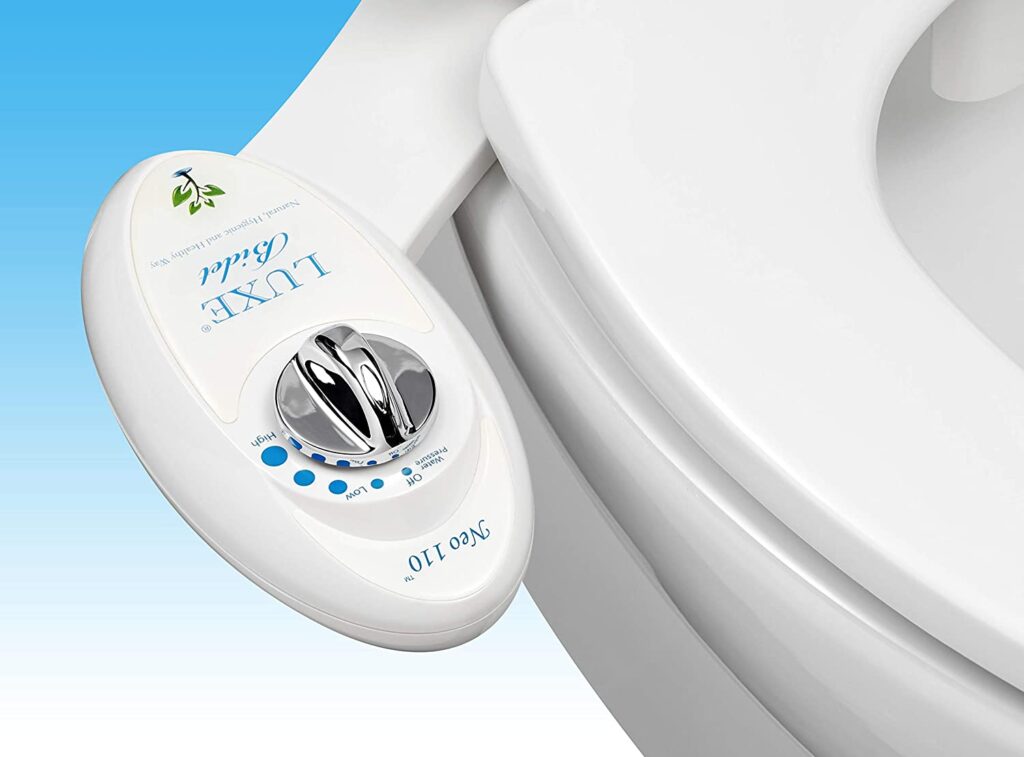
A smart bidet commode is another option, though it’s rarely worth doing unless you already have a dedicated electrical outlet beside your toilet.
Which one should you use?
If you’re in a hurry, buy a floor-mounted two-piece unit. Plumbers can fit it into an existing bathroom in under two hours without altering any water lines or tiles.
If you’re doing this for the first time, pick a floor-mounted one-piece commode. It saves you from assembling separate tank seals, so you avoid the leaks that often happen with rookie installations.
If you want the best possible result whatever it takes, install a wall-hung unit with an in-wall tank. It gives you the cleanest, most modern look and makes small spaces feel bigger.
The core trade-off comes down to upfront installation effort versus everyday cleaning work. A wall-hung bowl takes days of dusty construction to mount, while floor fixtures install in an afternoon but leave corners that trap grime.
The rules that apply whichever way you choose
Always measure your rough-in before shopping: if your drain center sits 10 inches from the wall, buy a 10-inch model; if it’s 12 inches, buy a 12-inch model. Buying the wrong size costs you a restocking fee and halts your plumbing work immediately.
Make sure your fixture meets low-flow standards. The EPA WaterSense program requires certified toilets to use no more than 1.28 gallons per flush to protect municipal water supplies.
Prepare your shut-off valve before unboxing the bowl, and replace the old braided supply line with a fresh stainless steel hose. Partway through the job, use a bubble level on the bowl rim before tightening bolts, because uneven pressure cracks porcelain.
If you must reroute cast-iron waste stacks, hire a licensed plumber to avoid sewage gas entering your home.
Frequently asked questions

Can a round bowl fit in an elongated space?
Yes, a round bowl fits easily into any space sized for an elongated bowl. Round bowls save about two inches of front clearance, making them great for small powder rooms where swing doors might hit the seat.
What happens if the rough-in size is wrong?
The toilet won’t install correctly. If the rough-in is too short, the tank hits your wall before the drain bolts align. If it’s too long, you leave an unsightly gap behind the cistern.
Is a wall-hung toilet safe for heavy people?
Yes, standard wall-hung carrier frames safely hold up to 880 pounds when properly anchored into solid structural studs. The weight limit depends on the carrier frame inside the wall, not the ceramic bowl itself.
Why does the commode rock on the floor?
An uneven tile floor causes the base to wobble. Slide plastic shims under the low edge of the ceramic base, tighten the bolts gently, and seal around the floor edge with pure silicone caulk.
How long does a toilet wax ring last?
You only need to replace it if you unbolt the toilet from the floor or notice bad odors around the base.
Final Thoughts
Once you’ve confirmed the measurements, visit a local showroom to sit on a few display models. It’s the best way to see if the height and shape feel comfortable for your daily routine. You’ll find that testing them out in person makes the final decision much easier for your home.