
Learning how to organize a bathroom cabinet efficiently is simple when you clear every shelf, group items by daily routine, and use clear pull-out bins to stop bottles from vanishing in the back.
Table of Contents
Organize your bathroom cabinets efficiently

Bathroom cabinet organization is the practice of arranging daily grooming supplies, cleaning tools, and medicines into clearly defined, moisture-safe zones under your sink or behind your mirror. It’s designed for busy households and shared bathrooms where deep shelves quickly become cluttered and messy.
A common misconception is that buying expensive sets of matching containers will solve your storage problems automatically. If you buy matching bins before sorting your items, you’ll end up with containers that don’t fit your tall bottles or clear your plumbing pipes. The physical rule here is simple: bathroom cabinets sit directly below sinks, so water lines, P-traps, and shut-off valves dictate your usable space rather than shelf dimensions alone.
The basic method
- Empty the entire cabinet down to the bare wood, setting everything onto your floor or counter.
- Wipe down the interior surfaces using a mild household cleaner and a clean cloth, then let the wood dry completely.
- Check every expiration date and discard all dried-out lotions, separated sunscreens, and old prescriptions into a trash bag.
- Measure your interior clearance with a tape measure, noting the exact height, full shelf depth, and the cut-out width around your central sink pipe.
- Group your remaining belongings into 4 distinct piles: daily morning face care, hair tools, extra backstock supplies, and cleaning products.
- Install 1 water-resistant shelf liner cut to your base cabinet dimensions to protect the raw surface against future liquid leaks.
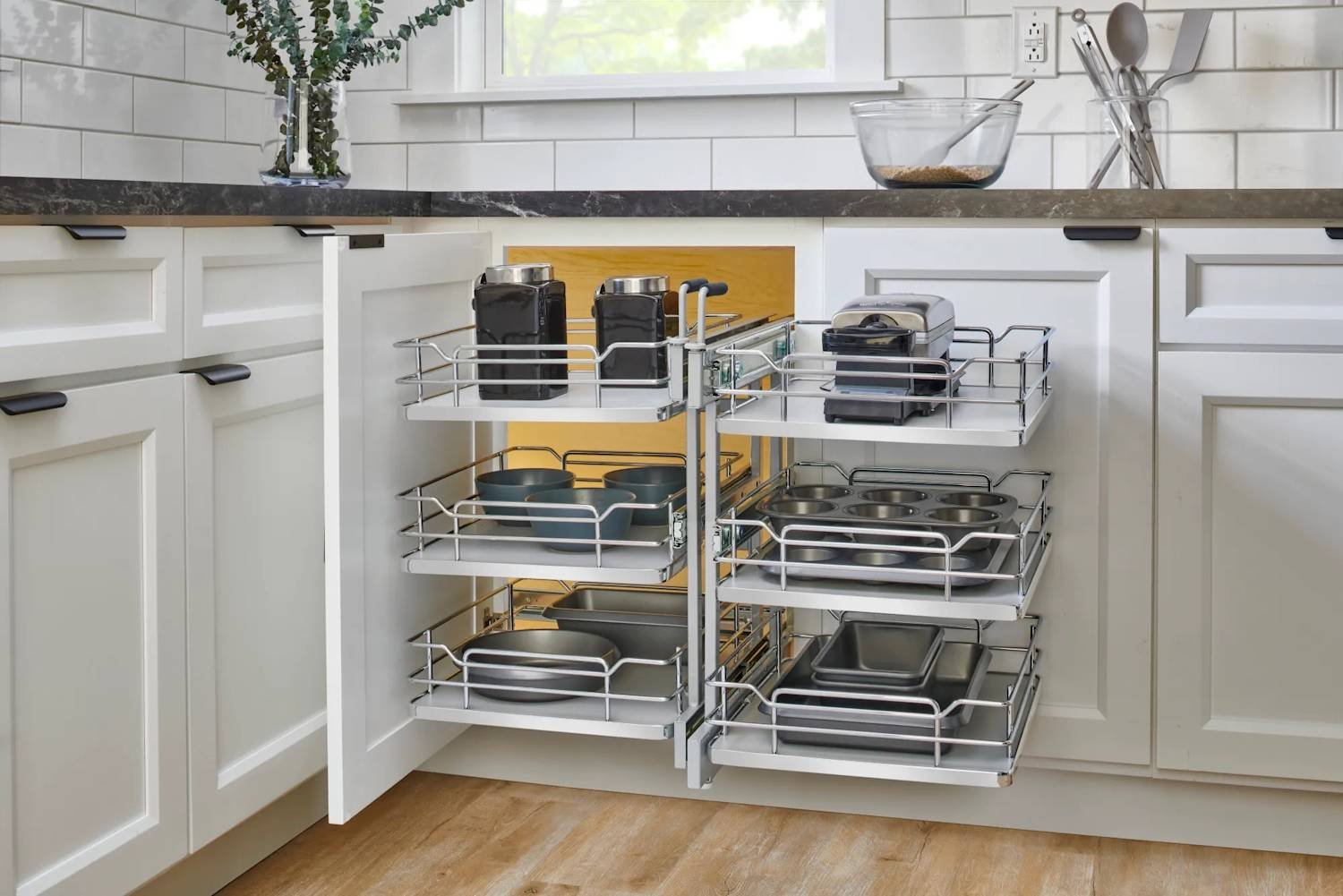
- Place deep, stackable pull-out drawers (usually 10 to 14 inches deep) on the open floor space on either side of the drain pipe.
- Fill the drawers by priority, putting items used 2 times a day right at the front and backup bars of soap in the bottom or back.
The single judgement call that separates a good result from a bad one is deciding what belongs under the sink versus what belongs in a dry room. Storing backup paper towels or sensitive electronic clippers right next to water shut-off valves often leads to ruined goods if a slow leak begins. If you spot active pipe corrosion, dripping valves, or soft drywall inside your cabinet, stop organizing immediately and contact a licensed plumber to fix the plumbing before you put items back.
Key numbers and settings at a glance
Organizing spaces with varying heights and plumbing calls for specific bin types and shelf layouts.
| :— | :— | :— | :— | | Cabinet with fixed center shelf | Flat turnable turntables (9 to 11 inches) | 20 minutes to position | Bottles tipping over on turns |
What separates good results from bad ones
Preparation and vertical space
Getting clean, lasting results starts with respecting your cabinet’s vertical limits. People who succeed measure their tallest liquid bottles first—usually hair sprays or tall mouthwash bottles measuring 9 to 10 inches—before buying any shelf organizers. They also install narrow, adhesive wire baskets on the inside of the cabinet doors to catch small items like combs and sponges. You can use adhesive door organizers if you have hollow-core doors, but if you have solid wood cabinet doors, choose screw-mounted metal racks for better hold.
The middle check and clear boundaries
Halfway through putting things back, experienced organizers check how the doors swing shut. If a pull-out bin hits the door hinge by even a quarter inch, the door won’t close flush, which ruins the hinges over time. They also avoid deep, solid-colored bins where items hide. Clear plastic allows you to see inventory at a glance so you don’t overbuy shampoo or toothpaste you already own.
Product safety and disposal limits
Bathrooms undergo rapid temperature and humidity swings after every hot shower, which degrades certain household goods quickly. The U.S. Food and Drug Administration guidance on medicine storage advises against keeping pills and capsules in bathroom cabinets because heat and moisture can damage them or reduce their potency. Move daily medications to a cool, dry area like a hallway linen closet or bedroom nightstand.
When disposing of old prescription drugs found during your cleanout, never flush them down the sink or toilet unless the package specifically includes a flush list instruction. Take them to an authorized pharmacy drop-off site instead. If you find pressurized aerosol cans that are completely stuck, leaking, or rusting at the base seams, treat them with caution. Don’t puncture them; take them directly to a local municipal hazardous waste collection center.
Maintaining clear cabinet order
To keep your bathroom cabinet functioning, follow a simple one-in, one-out rule for all personal care products. When you buy a new body wash or facial cleanser, discard or use up the open bottle before adding another container to your bins.
This organized system usually holds up well for about 6 months before minor clutter begins to build up again. A clear sign that your system needs maintenance is when bottles start gathering on your open bathroom counter because they no longer slide easily into their assigned bins. When this happens, spend 10 minutes checking your front storage zones, tossing empty packaging, and resetting the containers back to their original spots.
When to use a different approach
This cabinet setup is the wrong choice for pedestal sinks or wall-hung floating basins that lack any lower enclosed cabinet structure. For those setups, install floating wall shelves or bring in a freestanding metal tower shelf to hold baskets instead.
This approach is also not for small children’s bathrooms where little hands might pull sliding drawers down on themselves. In spaces used by young kids, avoid open bins and instead install magnetic safety latches along with wall-mounted medicine lockboxes mounted well out of reach.
Frequently asked questions

Can you store extra toilet paper under the bathroom sink?
No, you shouldn’t store loose toilet paper directly under the sink plumbing unless it’s sealed in an airtight plastic box. Even tiny condensation drips or pipe leaks can quickly soak through paper wraps, causing hidden mold growth inside your dark cabinet base.
Why do suction cup organizers fall off inside cabinets?
Suction cups fail because cabinet interiors are made from porous wood, textured laminate, or veneer rather than smooth glass. Air seeps past the suction edge over time, causing it to lose its grip. Use command strips or screw-in brackets instead.
How do you organize around a center drain pipe?
Use two separate, narrow modular drawer units placed on the left and right sides of the plumbing pipe. You can bridge the empty gap directly below the P-trap with a low, flat tray designed to hold shallow sponges and soap bars.
Is it safe to store rubbing alcohol under the sink?
Yes, it’s safe if the cap is screwed on tightly and kept upright away from heat. Keep it away from any exposed electrical outlets or hot plumbing pipes under the counter, and store it far away from harsh bleaches or ammonia cleaners.
What happens if you use metal bins in the bathroom?
Standard non-coated metal or cheap steel wire bins will rust rapidly due to the warm humidity generated by your bathtub and shower. This rust leaves orange stains on your cabinet wood, so stick with clear plastic, acrylic, or powder-coated aluminum baskets.
Final Thoughts
Once your space feels refreshed, take a moment to enjoy the calm that comes with a tidy home. You won’t have to hunt for your toothbrush or face wash ever again. Next weekend, try applying these same habits to your medicine cabinet so your morning routine stays smooth and stress-free.
Related guides