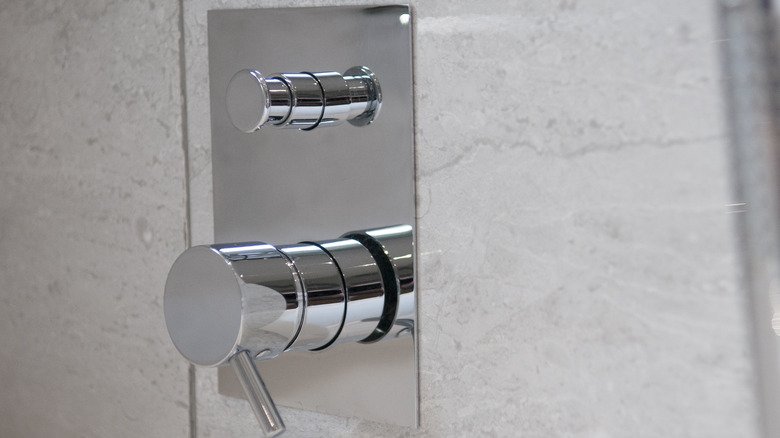
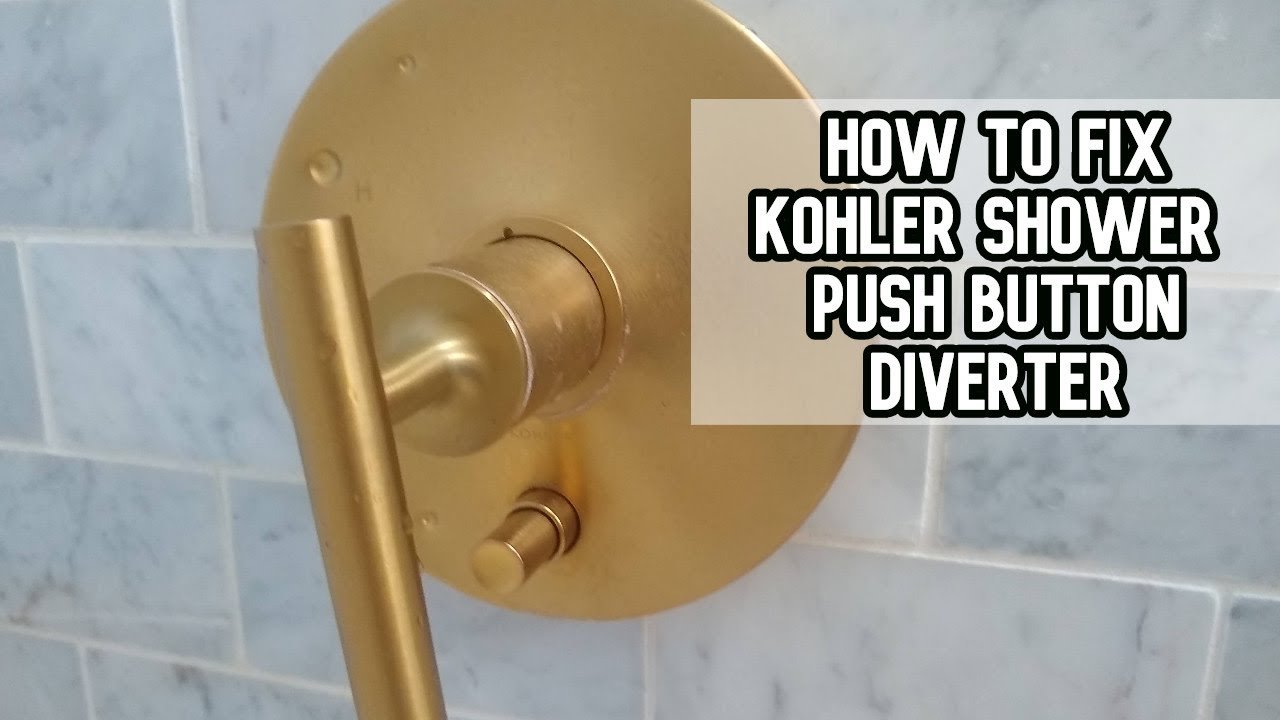
A push button shower diverter not working usually happens because mineral scale has locked the internal brass stem or dried out the rubber seal inside the valve body. Most of the time, hard water deposits stop the spring from resetting or block the gate from sealing water away from the tub spout. You can confirm this quickly by pressing the button firmly while the water runs; if it feels stiff, grinds, or springs right back out immediately, mineral build-up is your problem.
Table of Contents
Why the push button diverter fails
| Cause | How common | How to confirm it | Fix it yourself? |
|---|---|---|---|
| Mineral scale build-up | Most common | Button feels gritty or sticks halfway | Yes |
| Worn internal rubber O-ring | Very common | Water flows from shower and tub together | Yes with care |
| Broken return spring | Fairly common | Button stays pushed in after water stops | Yes with care |
| Low household water pressure | Occasional | Diverter drops down during low flow | No |
| Stripped internal threads | Rare | Button spins freely without catching | Yes with care |
| Cracked brass valve casing | Very rare | Water leaks inside wall behind escutcheon | No |
Mineral scale on the diverter stem
Hard water leaves dissolved calcium and magnesium across moving plumbing parts. When these minerals crust over the diverter shaft, friction keeps the metal pin from sliding smoothly into place. The button may freeze completely, or it might require heavy thumb pressure to move even a fraction of an inch.
To confirm this, run warm water through the tub spout for two minutes, shut the tap off, and gently wiggle the button with your fingers. If the movement feels gritty, chalky residue has packed into the housing gap. You can dissolve these deposits without removing wall tiles. Unscrew the faceplate screw, slide off the button cap, and soak a rag in standard household white vinegar. Wrap the soaked cloth tightly around the exposed metal stem for sixty minutes so the mild acid breaks down the calcium salts. Dissolved calcium carbonate actively precipitates onto hot plumbing fixtures over time. Cleaning the scale takes about an hour of waiting and costs next to nothing. This quick fix works well for surface grit, but it won’t fix torn internal rubber.
Worn or cracked diverter O-ring
A degraded rubber seal lets water escape past the diverter gate even when the button moves freely. You can tell this cause apart from mineral scale because the button moves smoothly without any grinding, yet half the water still pours out of the tub spout instead of rising to the showerhead.
Constant water pressure and chlorine degrade flexible rubber over several years. Once the O-ring splits, flattens, or rots, water pressure slips through the gap instead of holding the valve shut. To check the seal, turn the shower water on full volume and push the button inward completely. If both outlets run simultaneously with equal force, the internal rubber gasket has failed. Fixing this requires unthreading the diverter cartridge with a basic deep socket wrench to swap the rubber ring. If the rubber feels soft and intact, clean off any slime; if it’s brittle or cracked, install an exact replacement match. A common mistake people make is buying generic O-rings by eye without matching the thickness, which costs them an extra trip to the hardware store when the valve still leaks.
Broken or fatigued internal return spring
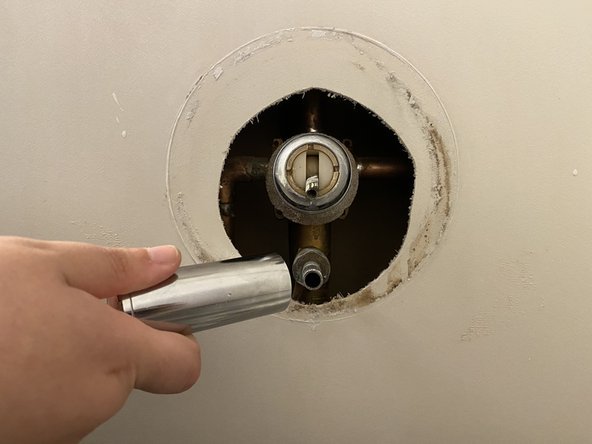
A damaged internal spring stops the diverter button from resetting itself once you shut the water off. Push button diverters rely on line water pressure to keep the seal closed, but they require a small stainless steel spring behind the gate to snap the button back outward when water pressure drops to zero.
You can verify a broken spring easily after turning off the shower. If the button stays fully recessed inside the spout or wall plate instead of popping forward within three seconds, the spring has either snapped or lost its tension. Pulling the button outward with your fingertips might reset it temporarily, but it will stick again on the next use. If you have an older push-diverter valve, don’t yank the stuck pin with heavy steel pliers. Pulling too hard can bend the slender brass guide rod, which turns a quick spring swap into a full valve replacement. This fix isn’t for people with rare or discontinued designer trim kits, as matching individual vintage springs is nearly impossible without buying an entirely new assembly.
The less likely causes
- Low domestic water pressure fails to generate the physical force needed to hold the internal diverter gate closed against the shower riser pipe.
- Stripped mounting threads allow the diverter button to spin loosely without engaging the interior pushrod mechanism behind the escutcheon plate.
- Sediment chunks from an aging domestic water heater can break loose and physically jam the small bypass channels inside the diverter body.
- A fractured valve casting inside the wall lets water escape behind the tiles whenever the button is engaged, creating a structural leak risk.
- If you notice damp drywall, pooled water under the tub floor, or low pressure across every faucet in the house, stop troubleshooting and hire a licensed professional plumber immediately.
What a fix usually involves
A straightforward scale cleaning takes about an hour, requires only household vinegar and a soft rag, and costs practically nothing. Replacing a worn O-ring or an internal return spring demands roughly thirty minutes of work, standard household pliers, and an adjustable socket wrench. Replacement O-rings and generic diverter rebuild kits represent just a small part of the price of an entirely new faucet set.
However, if the valve seat inside the wall is gouged, corroded, or cracked, you’ll need a licensed plumber to solder a new assembly into your supply pipes. Replacing behind-the-wall plumbing costs significantly more due to labor time and potential tile removal. To find the exact replacement cartridge match without guessing, check the stamped brand logo on your tub spout or the model number printed under your shower handle’s decorative cover cap.
Frequently asked questions
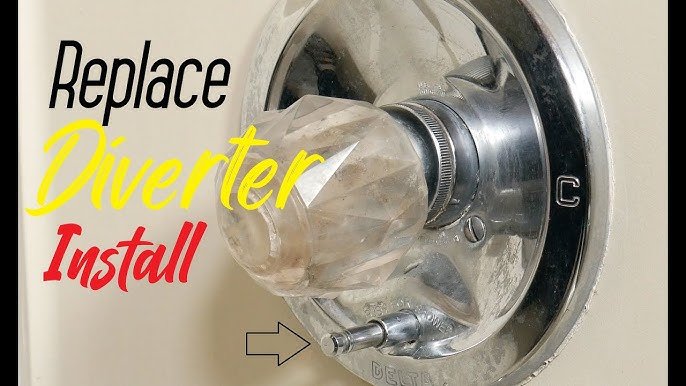
Can I spray lubricant on a stuck shower diverter button?
Yes, but use only pure silicone plumbing grease. Never spray standard petroleum penetrating oils into your shower valve, because petroleum eats through natural rubber seals within weeks and contaminates your household bathing water.
Why does my shower diverter button pop out on its own?
Your water pressure is likely dropping below the threshold needed to keep the valve closed. If household pressure drops while you shower, the internal diverter gate releases early and directs the stream back down into the bathtub spout.
How long should a push button diverter last?
Between five and ten years under normal domestic conditions. Water with heavy mineral content, high chlorine levels, or excess grit from well systems can wear out internal rubber O-rings in about three years.
What happens if I ignore a leaking diverter?
You waste gallons of heated water down the drain during every single shower. Over time, escaping spray can also seep past a loose escutcheon plate, rotting the wood framing and drywall hidden inside your bathroom wall.
Is it safe to unscrew the diverter button myself?
Yes, as long as you shut off the water supplies first. Always shut off the main water supply to the house before taking a wrench to any plumbing fixture, otherwise water will spray violently across your bathroom.
Does water hardness really affect push button valves?
Yes, dissolved minerals settle directly onto the sliding brass stem whenever the fixture dries. Over several months, these hard calcium deposits create enough mechanical drag to stop the spring from sliding the diverter gate open or closed.
Final Thoughts
If your diverter still won’t stay engaged after a good cleaning, it’s likely time to replace the internal cartridge or the entire assembly. Don’t worry if you’re unsure about the specific model; just take a clear photo of the hardware to your local plumbing supply store. They’ll help you find the right match.