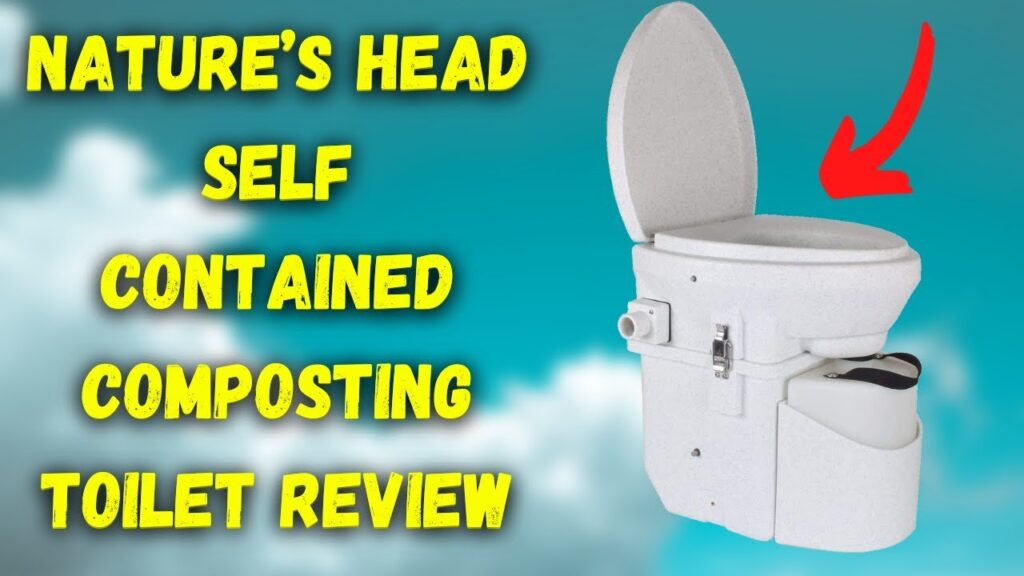
A hands-on review natures head self contained composting toilet shows it reliably stops bathroom odors off-grid by keeping liquids completely separate from solids. For two adults living full-time in a cabin, van, or boat, the solids bin holds about four to six weeks of waste, while the urine tank needs emptying every two to three days. Beyond basic odor control, choosing this setup requires understanding exact power draws, strict venting paths, and routine bin management.
Table of Contents
How the dry toilet works
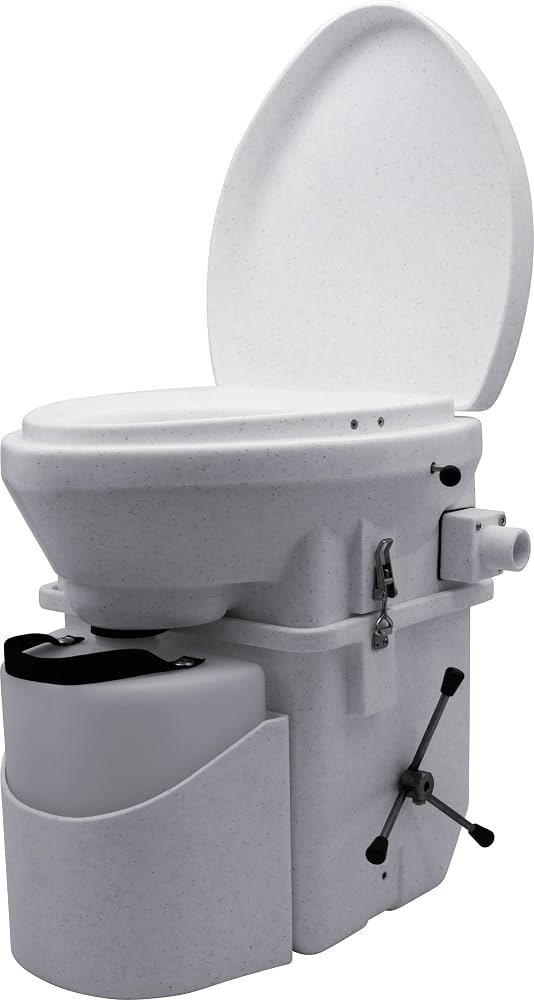
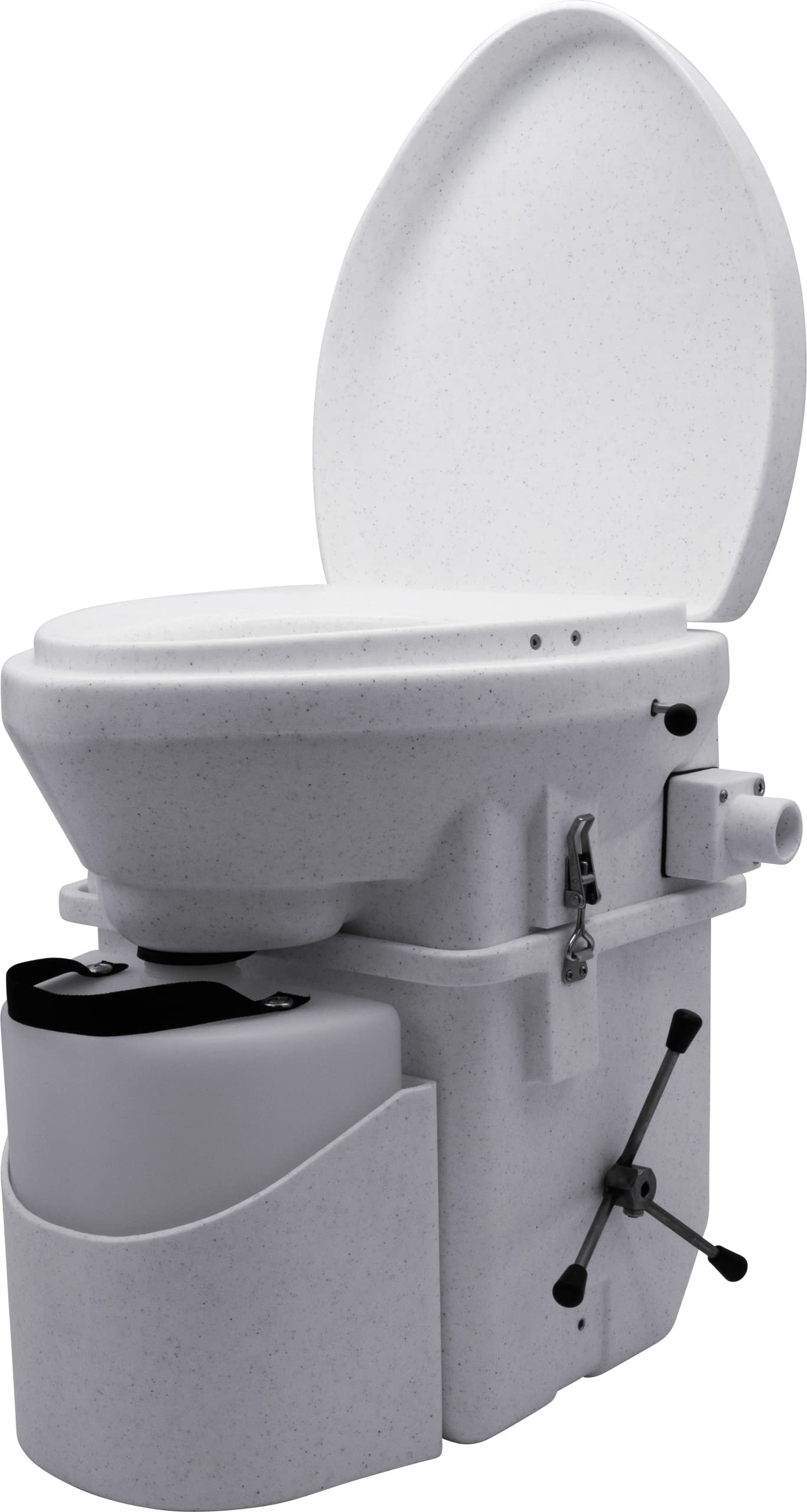
This unit is a waterless sanitation system designed for small spaces without plumbing. It routes urine into a front bottle and solids into a rear chamber filled with dry organic material like coconut coir. Off-grid homeowners, sailors, and RV travelers use it to avoid black-water holding tanks and frozen pipes.
A common misconception is that this toilet produces finished garden compost inside its bin. In reality, it acts as a collection and drying chamber. The built-in 12-volt fan pulls air across the solids to dry them out, while the manual agitator mixes new waste into the base material. Biological breakdown starts here, but complete composting requires months in a separate outdoor bin. Bad smells happen only when urine enters the solids area, which triggers anaerobic bacteria and foul sewer gas.
The basic method
Operating this unit requires proper initial setup and consistent daily habits.
- Add one brick of compressed coconut coir to a bucket, pour in five cups of water, and wait 20 minutes until it expands into a crumbly, damp texture.
- Pour the prepared coir directly into the main toilet base until the agitator bar is covered halfway.
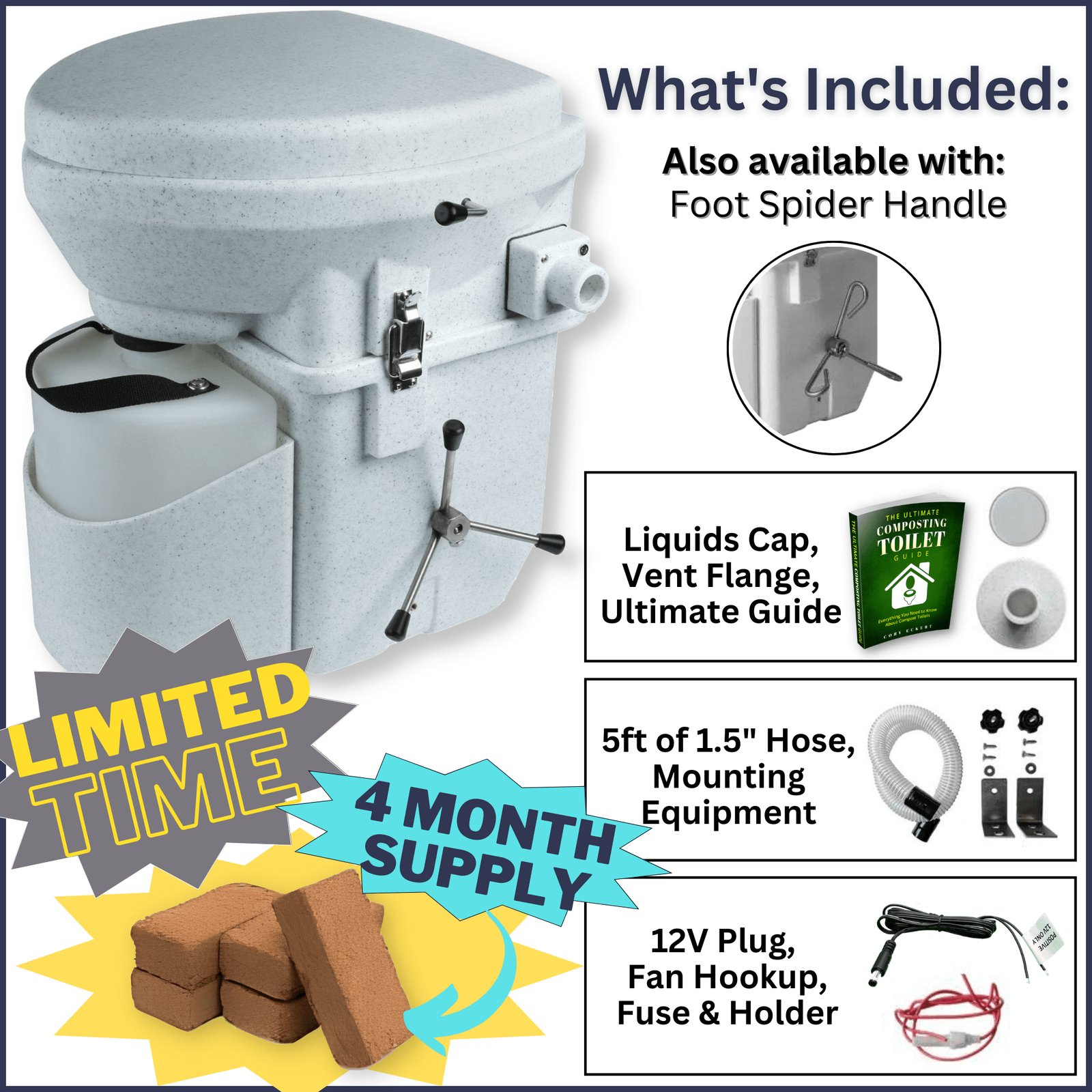
- Wire the small 12-volt exhaust fan directly to a continuous power source or a 110-volt wall adapter to keep air pulling outside 24 hours a day.
- Slide open the trapdoor lever on the side before taking a bowel movement to let waste drop straight into the rear base.
- Close the trapdoor immediately after use, then turn the outside crank handle three to four full rotations to blend the waste into the coir.
- Empty the 2.2-gallon front urine bottle when the liquid level reaches the top visual ridge, typically after 25 to 30 uses.
The critical judgment call is moisture balance inside the base. If the material looks dry and dusty, add half a cup of water; if it clumps into mud, you must add dry coir immediately or risk persistent odors.
Key numbers and settings at a glance
Capacity and maintenance intervals shift depending on climate, user count, and base material.
What separates good results from bad ones
Moisture and material control
People who succeed with this toilet keep their solids chamber strictly dry. They never allow standing liquid to enter the bottom tank. If someone misses the front basin, urine seeps into the solids and creates a heavy ammonia stench within hours. Preparing the coir correctly is just as vital. It should feel like barely damp potting soil, not wet mud. Soaking the brick in too much water before loading the toilet ruins the drying process from day one.
Proper ventilation habits
A steady draft makes or breaks this unit. The small fan must run without interruption to pull moisture away from the drying mass. Routinely check the outside mushroom vent or hose cap for insect nests, lint, or dust buildup. If air stops moving, condensation builds on the inside walls, soaking the compost. Always leave the crank handle in a horizontal position after mixing so it doesn’t block the internal trapdoor from sealing tightly.
Common problems and quick fixes
When things go wrong, physical checks usually resolve the issue quickly.
| What you notice | What it usually means | What to do first |
|---|---|---|
| Rotten swamp odor indoors | The 12-volt fan has lost power or failed | Check the fuse and confirm the fan blade is spinning |
| Tiny flies inside the bowl | Fungus gnat eggs arrived in the dry base material | Add beneficial soil nematodes or hang sticky pest strips inside the lid |
| Crank handle won’t turn | Waste volume is too high or the mix is soaking wet | Empty the solids bin into a compost bag immediately |
| Urine smells like ammonia | Liquid bottle has sat full for too long | Empty the bottle and rinse it with diluted white vinegar |
Regulations and disposal limits
Composting toilets face clear legal guidelines that change across jurisdictions. The US EPA regulations on biosolids outline standards for pathogen reduction before human waste can touch ground soil. Most municipalities don’t consider partially dried solids from a self-contained unit to be finished compost. You can’t legally dump this material onto vegetable gardens or public park land.
If you travel in an RV or camp on public lands, the Bureau of Land Management requires solid human waste to be buried at least six inches deep and 200 feet away from any water source, or bagged and tossed in an approved trash dumpster. Discharging untreated urine into enclosed freshwater marinas violates federal Clean Water Act provisions enforced by the US Coast Guard. Check your county health department’s private sewage codes before permanently replacing a standard flush toilet in a home.
Cleaning and off-season storage
Clean the plastic bowl surfaces using a spray bottle filled with water and two tablespoons of mild dish soap. Never use bleach, harsh drain cleaners, or chemical sprays. These chemicals kill the natural microbes breaking down the solids and degrade the plastic seals.
Wipe down the urine funnel regularly to remove mineral scale that traps bacteria. If you leave the toilet unheated during sub-freezing winter months, empty the urine tank completely because expanding ice will split the container. Inspect the outer vent hose as part of your usual clean to clear out dust, spiderwebs, or debris that restrict airflow.
When to use a different approach
This toilet is the wrong choice for households with more than three full-time residents. The solids tank fills within two weeks under heavy loads, forcing frequent, unpleasant emptying chores. It’s also unsuitable for people with limited arm strength or severe back mobility issues. Pulling the heavy base apart and lifting the 30-pound lower bin out of a tight RV bathroom requires physical effort.
In these situations, a traditional black-water RV tank with a foot-pedal flush, an electric incinerating toilet, or a standard septic installation works far better. Those systems let you push a button without manually turning an agitator crank or managing raw waste buckets.
Frequently asked questions
Can toilet paper go into the Nature’s Head toilet?
Yes, standard toilet paper dissolves into the solids chamber without issue. However, placing paper inside increases the total mass quickly. If you want the bin to last longer between cleanings, place used paper into a small covered trash bin beside the toilet instead.
Why does my composting toilet smell like sewage?
Sewage smells mean urine leaked past the front divider into the solids bin. When wet matter sits without oxygen, anaerobic bacteria generate bad odors. To stop it, add two cups of dry coconut coir, check that the exhaust fan is running, and empty the bottom bin.
How long does a full solids bin take to empty?
Emptying the bin takes about 10 minutes. Unclip the two side latches, lift the upper seat section off the base, slip a 13-gallon trash bag over the lower chamber, and tip the bin upside down. Wipe the edges with a damp cloth, refill with fresh coir, and latch it back together.
Is it safe to put urine on outdoor plants?
Yes, fresh urine is generally safe for non-edible outdoor trees and shrubs if diluted with water at an eight-to-one ratio. Undiluted urine contains high levels of nitrogen and salts that will burn delicate plant roots. Always check local environmental rules before pouring liquids outside.
What happens if the internal fan stops running?
Condensation gathers under the seat lid within 12 hours if the fan stops running. Without positive airflow drawing air out the vent hose, moisture pools inside the solids chamber. The mix turns sour, and bathroom odors will escape into your living space until power returns.
Final Thoughts
Switching to this system is a big change, but it’s worth it for the freedom it provides. You’ll find that keeping your space fresh becomes second nature once you’ve settled into your new routine. Before you commit, check your mounting area’s dimensions to ensure you’ve got the perfect fit for your setup.