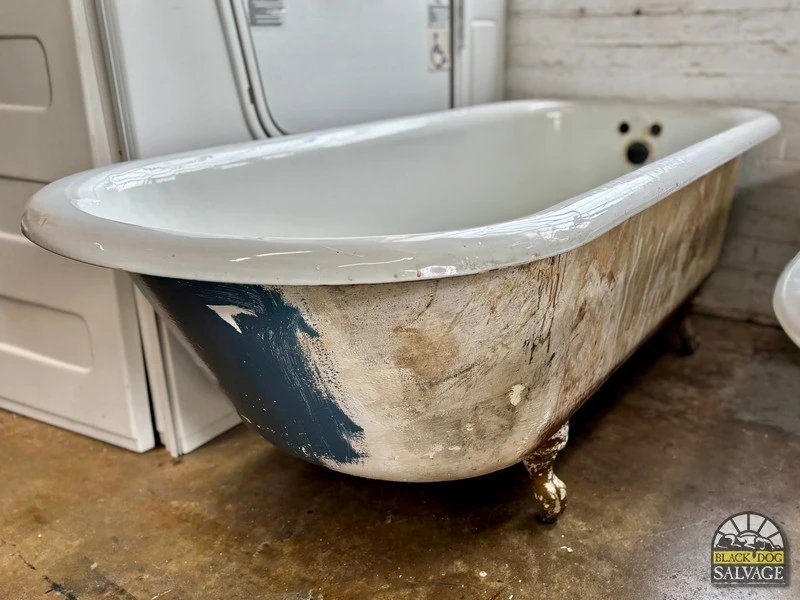
A standard roll-top tub with traditional imperial ball-and-claw feet provides the best balance of heat retention, durability, and classic styling for daily bathing. Finding the top cast iron bathtubs with claw feet comes down to matching your bathroom layout with your water heater size. A slipper tub works better if you need higher back support during long soaks.
Table of Contents
Comparing these cast iron claw tubs
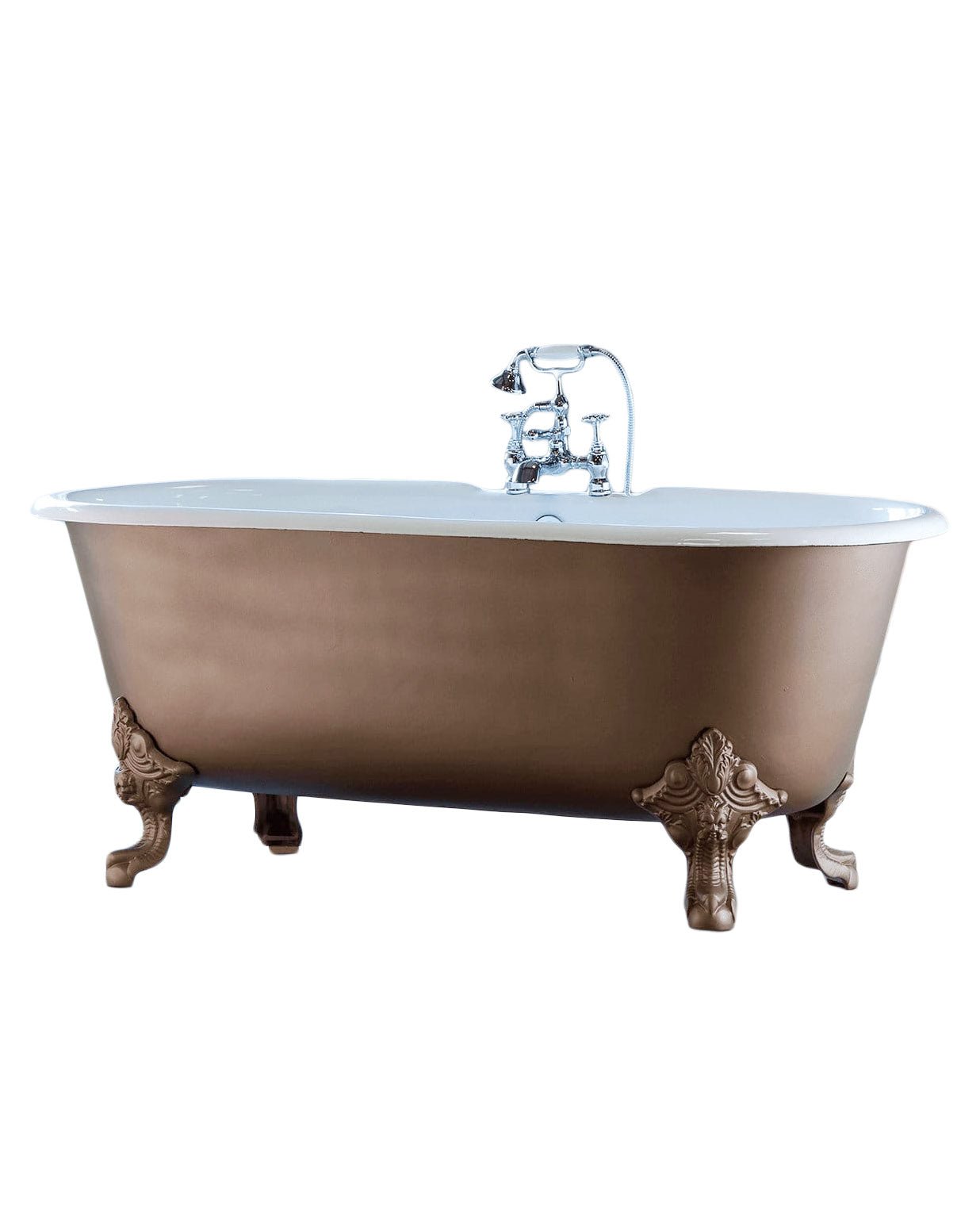
Cast iron holds water temperature longer than synthetic materials, but different tub silhouettes suit different rooms and body heights.
| Method | How long | Effort | Cost | Best for |
|---|---|---|---|---|
| Classic Roll-Top Tub | 2 to 4 hours to position | Medium | Medium | General family bathing |
| Single Slipper Tub | 2 to 4 hours to position | Medium | High | Reading and shoulder support |
| Double Ended Tub | 3 to 5 hours to position | High | High | Two bathers or flexible faucet placement |
Classic Flat Roll-Top Design
This traditional style has a flat rim that stays level all the way around the rim.
- Measure your clear floor area to ensure at least 60 inches of length and 30 inches of width.
- Bolt the four cast iron support feet loosely to the underside lugs using the included washers.
- Level the tub body across both directions by adjusting the leveling bolts inside each foot.
- Tighten all mounting hardware firmly to lock the feet into place before roughing in your waste line.
This shape fits into standard bathroom layouts easily without blocking sightlines across the room. Its flat edges allow you to install an over-rim shower curtain enclosure securely. One genuine weakness is that the flat end provides less neck support for taller bathers. Because an empty tub often exceeds 300 pounds, you must hire a licensed plumber or structural contractor if your subfloor needs extra timber bracing.
Single Slipper Elevated Design
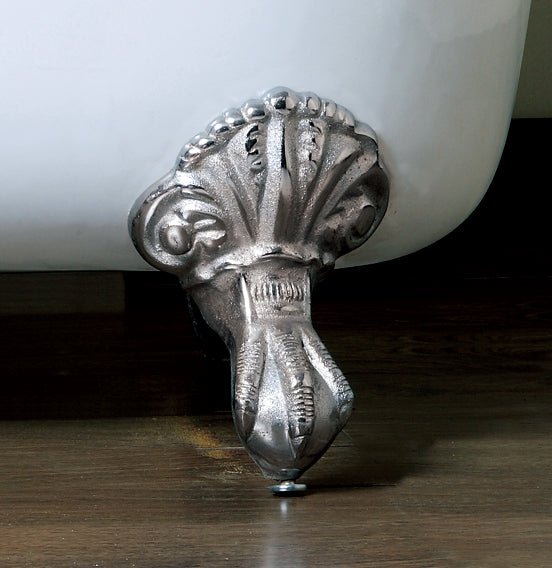
A slipper profile features one raised, sloping end designed specifically to support your upper back, neck, and shoulders.
- Orient the high back toward a solid wall or corner to keep your bathroom feeling open.
- Fasten the decorative claw feet to the base lugs using a socket wrench.
- Check the internal slope with a spirit level to confirm water drains fully toward the low tap end.
- Connect an exposed standing waste assembly along the shallow end of the basin.
The ergonomic slope cradles your spine comfortably for extended reading and soaking sessions. It also prevents water from splashing over the rear edge while you recline. The trade-off is that its raised end blocks window sills or existing wall trim if placed too close. If your water heater holds under 50 gallons, don’t choose an oversized model, as it will run cold before filling.
Double Ended Center Drain Design
A double ended tub curves upward on both sides, positioning the faucet and drain hole directly in the middle.
- Mark your drain line directly below the tub’s exact center point on the subfloor.
- Secure the heavy claw feet, setting the front pair slightly lower if your floor has a crown.
- Thread the freestanding supply lines alongside the tub wall, keeping 2 inches of air gap.
- Seal all waste gaskets using non-hardening silicone to handle the thermal movement of cast metal.
This layout allows two people to share the bath without anyone resting against a hard metal drain fitting. It gives your bathroom a grand, symmetrical centerpiece when centered on a feature wall. Its main drawback is that central plumbing requires specialized rough-in routing that costs more to alter later. A small corner-fit clawfoot is another option, though it cramps your elbows and limits your stretch.
Which one should you use?
If you’re in a hurry, pick the classic roll-top because it matches standard rough-in plumbing dimensions without custom pipe adjustments. If you’re doing this for the first time, choose a single slipper tub since the drain sits conveniently at the low end away from your body. When you want the best possible result whatever it takes, install a double ended tub with freestanding exposed brass supplies.
Your choice involves a direct trade-off between installation simplicity and personal lounging comfort. If you have limited structural capacity, do A: choose a smaller 54-inch basin; if you have reinforced modern framing, do B: install a 66-inch double slipper model. This style isn’t for second-story renovations where floor joists can’t be inspected or reinforced.
The rules that apply whichever way you choose
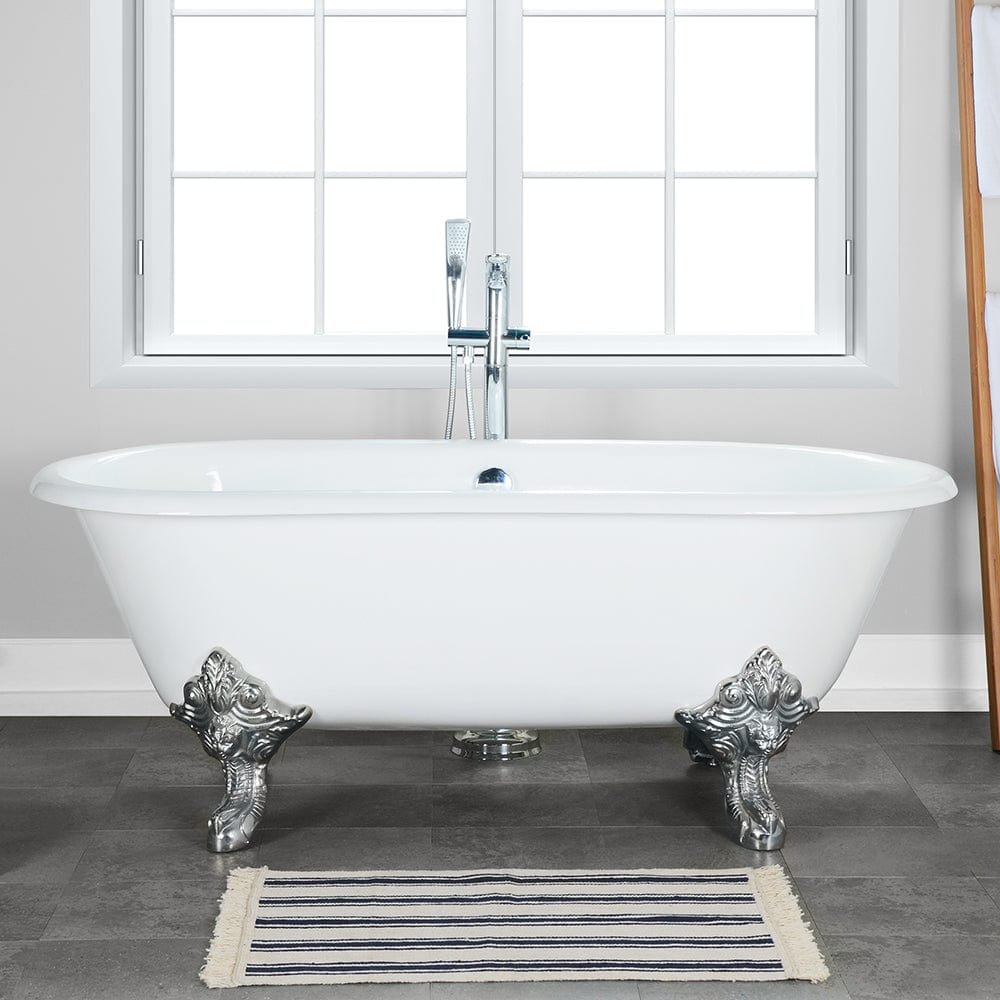
Always confirm your floor framing meets local building codes for live and dead load limits. The International Code Council residential codes specify structural floor load minimums that heavy soaking fixtures must satisfy before installation.
Before bringing the tub inside, verify the door frames along your entry path are wide enough to clear the tub’s exterior width. Partway through the rough-in, test the drain connection with a bucket of water before bolting down the feet permanently. Never make the common mistake of dragging cast iron across tile floors; doing so chips porcelain enamel and cracks floor tiles, costing you hundreds of dollars in avoidable floor repairs. At the end, clean the porcelain interior using gentle liquid soap. Remember that actual weight and liquid capacity vary by model, so check the manufacturer label before final planning.
Can a regular wood floor hold a clawfoot tub?
Yes, if the floor joists meet standard structural strength requirements. A filled tub with a bather can easily exceed 700 pounds total weight. You must inspect the joists beneath the bathroom floor before delivery. If your joists span long distances without center support, hire a carpenter to sister the wood beams underneath.
Why does cast iron hold heat better than acrylic?
Cast iron is a dense metal that acts as a thermal battery during a bath. While it absorbs some initial warmth from hot water, the heavy walls radiate that heat back inward for up to an hour. Acrylic cools much faster because thin plastic shells allow warmth to escape into ambient bathroom air.
How long does an enamel tub finish last?
The vitreous porcelain enamel coating lasts for decades under normal use when cleaned with non-abrasive products. Harsh acidic cleaners or bleach can erode the glossy surface over time. If the finish ever turns dull or chips down to bare black iron, a professional refinisher can apply a fresh epoxy coating.
Is it safe to clean cast iron with vinegar?
No, prolonged contact with acidic cleaners like white vinegar will etch the glossy porcelain enamel glaze. This chemical reaction leaves the basin surface rough and prone to stubborn mineral stains. Stick to warm water, mild liquid dish soap, and soft microfiber cloths to keep the protective coating smooth and shiny.
What happens if the tub feet aren’t level?
Water will pool in low corners instead of flowing toward the waste hole, leaving soapy scum rings behind. An unlevel tub can also rock slightly whenever you climb inside, which stresses your plumbing connections. Loose waste pipes will eventually leak dirty water into your subfloor and ruin the ceiling below.
Final Thoughts
Once you’ve picked your favorite style, don’t forget to check your bathroom floor’s strength. These tubs are incredibly heavy, so it’s a good idea to have a professional confirm your joists can handle the weight. You’ll be relaxing in your beautiful new space before you know it.