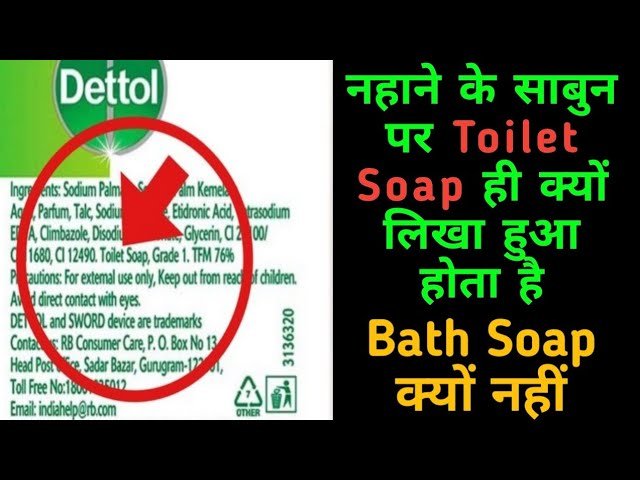
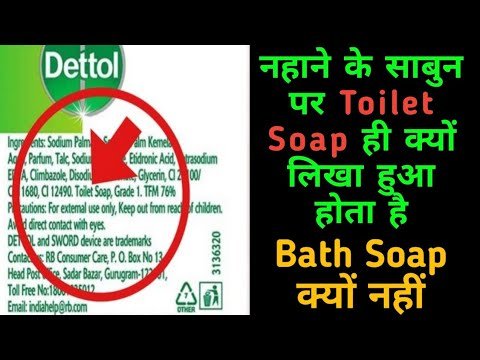
The meaning of toilet soap grade 1 starts with its fat content: it means the bar contains at least 76% Total Fatty Matter (TFM).
Table of Contents
Understanding the grade of your toilet soap
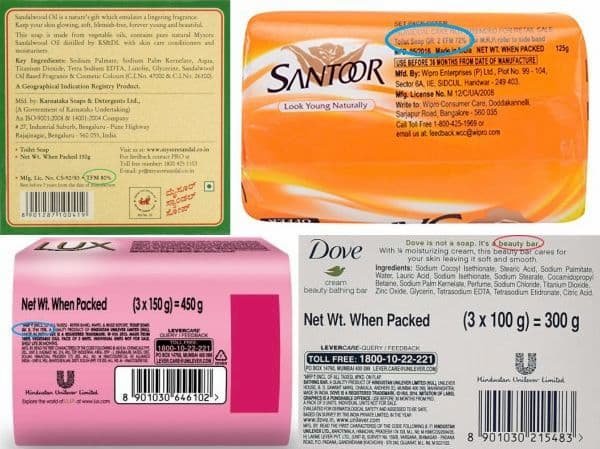
The label on the wrapper tells you the purity, cleaning strength, and expected lather of the bar.
| What you notice | What it usually means | What to do first |
|---|---|---|
| TFM 76% or higher | Meets Grade 1 standard | Use for daily body washing |
| TFM between 70% and 75% | Meets Grade 2 standard | Expect slightly less lather |
| TFM between 60% and 69% | Meets Grade 3 standard | Add extra body lotion |
| Labeled “Bathing Bar” | Contains under 60% TFM | Check for synthetic detergents |
| Bar turns soft rapidly | High filler or water level | Move to dry soap dish |
| Bar cracks across middle | Low moisture, improper curing | Keep away from direct spray |
| Skin feels tight instantly | Low fat, high free alkali | Switch to Grade 1 bar |
High total fatty matter content
The bar contains a high concentration of fatty acids derived directly from saponified oils or fats rather than synthetic builders. Under national specifications like the Bureau of Indian Standards standards for toilet soap, a bar earns Grade 1 status only when its dry weight holds at least 76% fatty matter. This high proportion matters because raw fats create rich lather without relying on harsh foaming agents.
To confirm this cause, inspect the back panel of the carton or plastic wrapper. You don’t need tools: scan the text near the net weight line to find the letters “TFM.” If the number reads 76% or higher, the bar qualifies as Grade 1.
The fix for dry, irritated skin from cheaper bars is simply switching to this grade. A genuine Grade 1 bar also holds its shape firmly in your hand rather than turning into mush after one shower.
Minimal chalk and insoluble fillers
Grade 1 soap bars strictly limit inert fillers like talc, china clay, and starch to keep the bar concentrated. Cheap bars load up on these insoluble materials to reduce manufacturing costs, which dilutes the actual soap content. A genuine Grade 1 bar has a much lower limit on matter insoluble in alcohol, which stops the bar from turning gummy.
To check for this, rub the dry bar between damp palms for ten seconds. A low-filler Grade 1 bar creates a smooth, creamy film with no gritty texture or chalky drag.
If your current bar leaves a dusty residue on your skin or the dish, replace it with a certified Grade 1 product. You’ll know the replacement worked when your soap dish stays clear of thick, slimy residue between daily uses.
Low free caustic alkali levels
Grade 1 formulations require thorough saponification, leaving almost no unreacted lye in the finished product. When factories rush the saponification step, unreacted sodium hydroxide stays trapped in the bar, raising the pH and stripping natural skin oils. Grade 1 regulations cap this free caustic alkali at a strict maximum of 0.05%.
To verify low alkali at home without a laboratory, run the bar under lukewarm water, work up a sudsy lather on your inner forearm, and let it sit for sixty seconds before rinsing. If the skin shows no redness or prickly warmth, the alkali balance is correct.
When to stop and get help
Stop using the soap and seek professional medical guidance if you notice any of these severe signs:
- Severe skin peeling or open cracking, which means your moisture barrier has collapsed.
- Raised red hives or intense itching, which indicates a contact allergy to dyes or fragrances.
- Persistent burning sensations on intact skin, pointing to chemical dermatitis from harsh additives.
- Swelling around the eyes or mouth after washing, which requires urgent medical care.
If an intense rash spreads past the wash area, over-the-counter changes won’t fix the issue. Stop using all commercial bars and visit a licensed dermatologist for proper patch testing.
Frequently asked questions
Can I use toilet soap grade 1 on my face?
No, you shouldn’t use it on facial skin. Even Grade 1 bars usually maintain an alkaline pH between 9 and 10, which disrupts the face’s natural acidic mantle. Use a dedicated, pH-balanced facial cleanser instead.
Why does the wrapper say toilet soap instead of bath soap?
Because commercial standards use the word “toilet” in its traditional sense of daily grooming and washing. It refers strictly to personal body hygiene products, separating them from industrial laundry cakes or dish bars.
Does Grade 1 soap melt faster in water?
No, it melts slower than lower-grade soaps if kept dry between uses. Grade 1 bars contain less water and fewer water-absorbing fillers, though leaving any bar sitting directly in pooled water will soften it.
How long does a Grade 1 soap bar last?
The dense structure of 76% fatty matter dissolves at a slower rate than filler-heavy Grade 3 bars, provided you use a well-draining dish.
What happens if I use Grade 3 soap instead?
Your skin will feel noticeably drier over time. Grade 3 bars carry higher filler amounts and lower fat, which cleans grease effectively but removes natural surface lipids much faster during daily bathing.
Is Grade 1 soap safe for sensitive skin?
Yes, it’s generally safe for normal to mildly sensitive body skin due to lower chemical fillers. However, if your skin reacts poorly to added perfumes, check the ingredient list for fragrance-free formulations.
Final Thoughts
Choosing a high-quality bar doesn’t have to be complicated, but your skin will definitely thank you for the extra care. Next time you’re at the store, just flip the package over to check the label. You’ll find that picking a better product is a simple way to keep your skin feeling soft.